
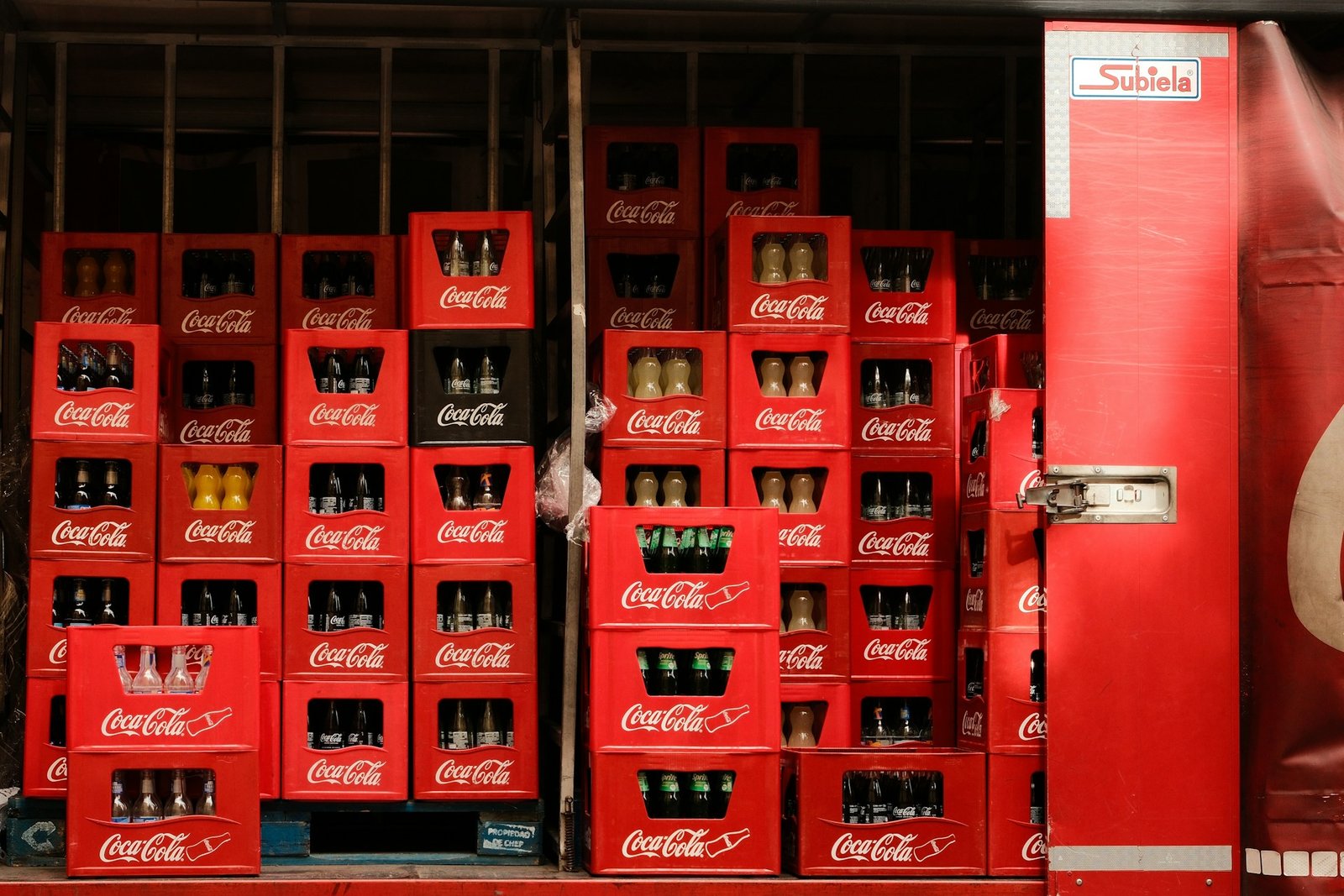
The European Commission has launched a formal antitrust investigation into Coca-Cola Europacific Partners (CCEP) over suspected abuses of dominance in the European non-alcoholic beverage sector. Announced on November 23, 2026, under case reference AT.40860, the probe follows unannounced inspections carried out at CCEP’s premises across several EU member states in March 2025.
Headquartered in the United Kingdom, CCEP is one of the two largest European bottlers distributing Coca-Cola Company brands and serves as the leading supplier of carbonated soft drinks across Belgium, France, Germany, Luxembourg, the Netherlands, Portugal, Spain, and Sweden. Regulators are examining whether the bottler abused a dominant position in the wholesale supply of carbonated soft drinks and sports drinks to off-trade retail customers—such as supermarkets—by partitioning the EU Single Market along national borders.
Specifically, the Commission is investigating four alleged practices designed to restrict parallel trade and territorial supply. First, regulators suspect CCEP made wholesale price discounts conditional on retailers not exporting beverages to other member states. Second, the probe examines whether CCEP used targeted product differentiation, such as altering packaging sizes across countries, specifically to hinder cross-border trade. Third, investigators are assessing whether the bottler granted financial incentives to retail customers to limit imports of carbonated soft drinks into Spain. Finally, the Commission is scrutinizing CCEP’s refusal to let wholesale buyers negotiate procurement contracts across multiple countries simultaneously, forcing them into separate national negotiations.
If substantiated, these practices would breach Article 102 of the Treaty on the Functioning of the European Union, which prohibits the abuse of a dominant market position. Opening formal proceedings relieves national competition authorities of their competence to apply EU antitrust rules to the same conduct and requires national courts to avoid conflicting rulings.
While there is no statutory deadline for completing the in-depth inquiry, the Commission confirmed it will treat the investigation as a priority alongside a broader public consultation aimed at tackling territorial supply constraints across European retail markets.