
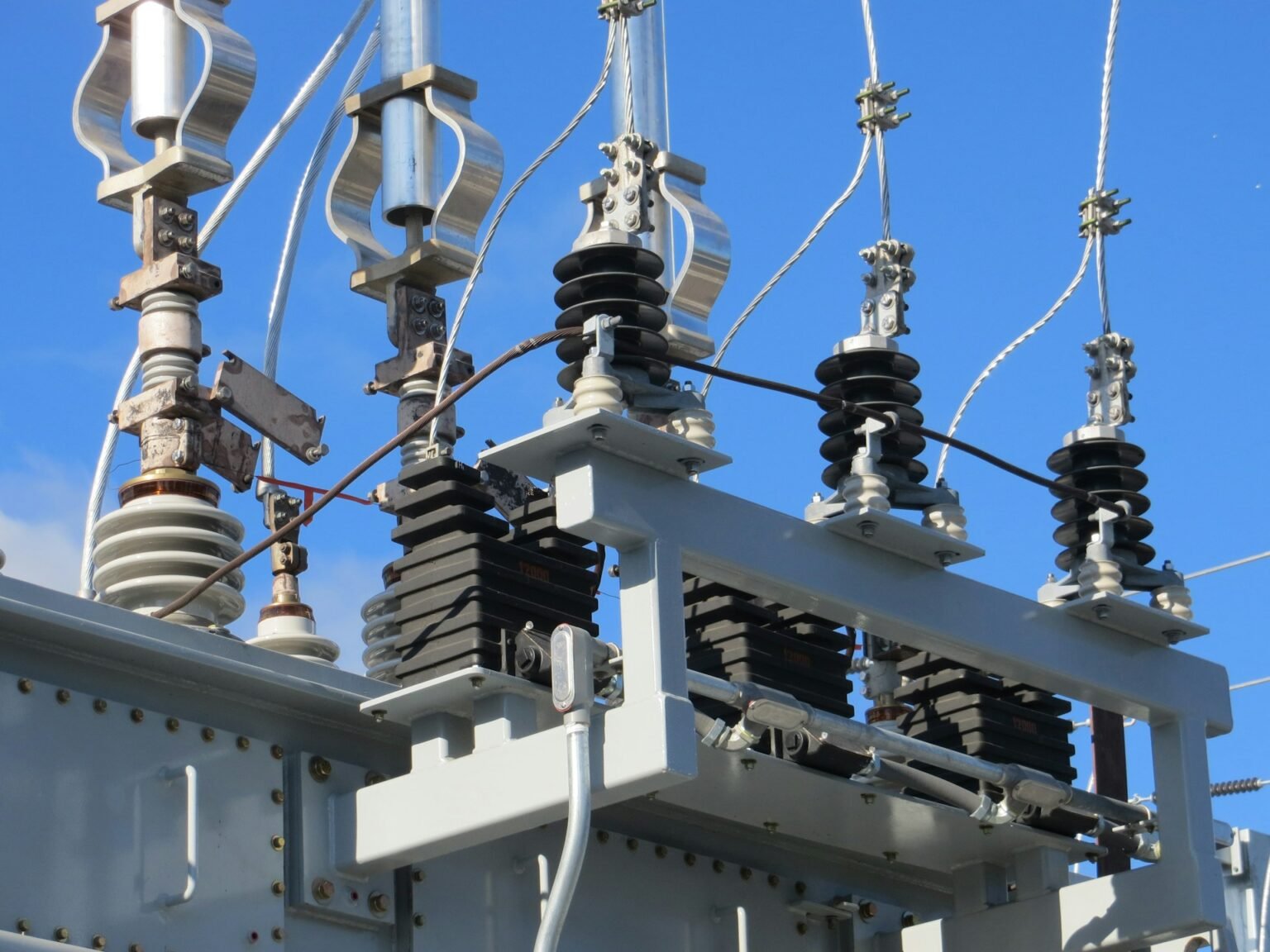
Poland’s Office of Competition and Consumer Protection, known as UOKiK, has imposed over 13.5 million PLN (approx. €3.1 million) in fines on several companies for colluding in public tenders organized by power distributor PGE Dystrybucja. President of UOKiK Tomasz Chróstny determined that the businesses unlawfully coordinated their bids and behavior across 11 electronic auctions covering power grid infrastructure projects, including power line modernization and radio-controlled switching points. Rather than allowing genuine competition to determine the best price, the participants arranged in advance who would win each contract.
The investigation revealed that the participating companies frequently communicated by phone to allocate upcoming contracts and establish who would secure each deal prior to the auction dates. In one case involving the Garwolin–Żelechów power grid modernization, participating firms EnergoTech, PTU Elektra, and PHU Kurpiewski agreed that PHU Kurpiewski would take the contract while the others refrained from undercutting prices. Transcripts showed collusion participants explicitly exchanging favors and expecting competitors to step aside on future calls.

A second larger collusive scheme involved companies including ZPUE, EnergoTech, PTU Elektra, Ekto, Elmo, and PW Farad across tenders for radio-controlled switching points. Competitors used coded language over phone calls to signal when to refrain from bidding, artificially raise prices relative to buyer budgets, and submit sham bids to protect designated winners like ZPUE.
Consequently, UOKiK handed down penalties totaling 3.42 million PLN (€780,000) for the power grid tender collusion, with PHU Kurpiewski receiving the largest portion at 2.08 million PLN (€475,000). For the switching point tenders, total penalties reached 10.18 million PLN (€2.3 million), led by a 7.64 million PLN (€1.75 million) fine against ZPUE. The decision is not yet final and remains subject to court appeal by the involved parties.