
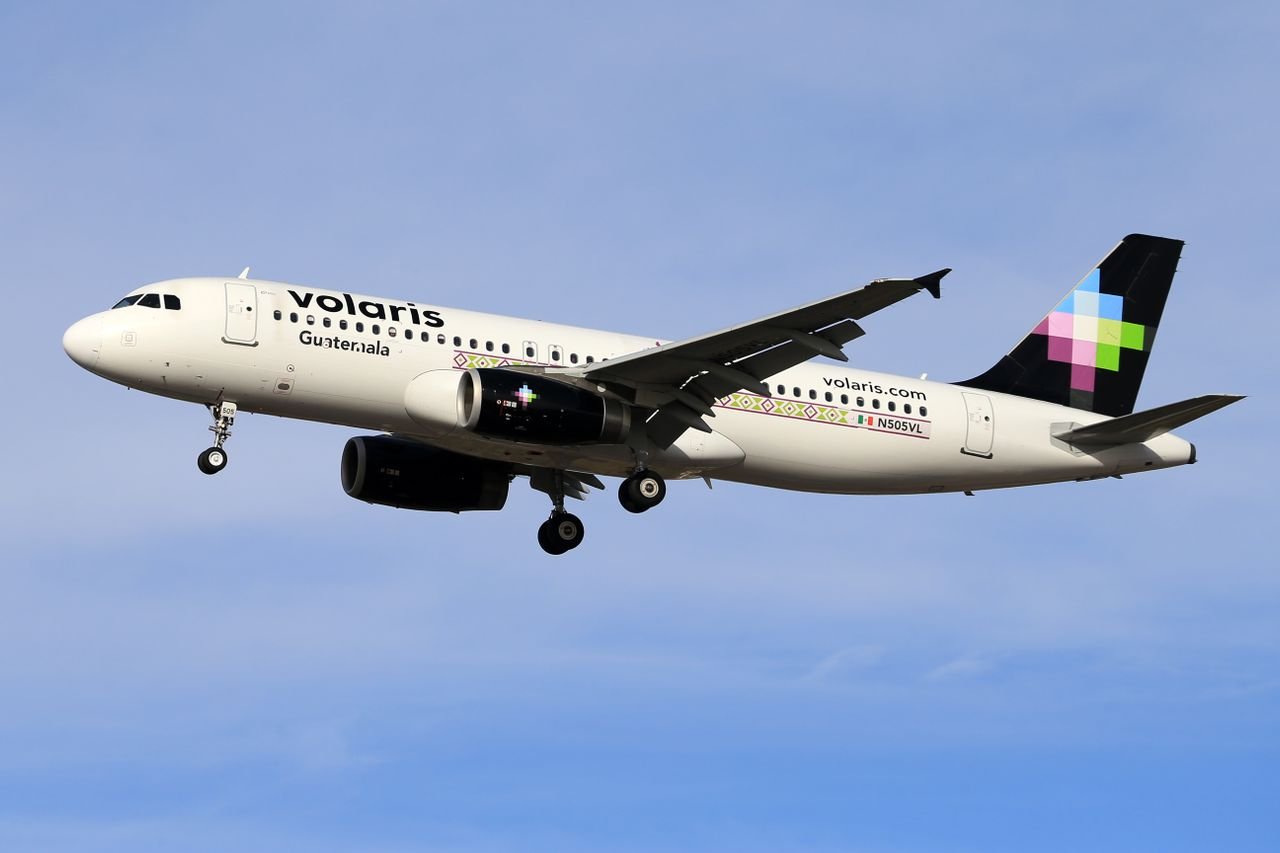
Mexican ultra-low-cost carriers Volaris and Viva Aerobus have cleared crucial international regulatory hurdles in their proposed merger to establish a joint holding company named Grupo Más Vuelos. Following formal clearance from Colombia’s antitrust authority, the US Federal Trade Commission (FTC) approved the transaction under the Sua Sponte principle. This mechanism allows the FTC to issue a ruling on commercial alliances without a direct request from the participating companies.(Mexico Business News)
While international approvals are secured, the creation of Mexico’s largest airline holding company remains subject to review by Mexico’s National Antitrust Commission (CNA). The regulator’s decision is anticipated before the end of 2026.
Under the proposed agreement, Grupo Más Vuelos will operate as a 50-50 joint venture between the shareholder bases of both airlines, with Viva’s current chairman, Roberto Alcántara, serving as chairman of the combined board. Despite the unified corporate governance, Volaris and Viva will maintain independent commercial branding, separate operator certificates, and distinct market operations.
If approved by Mexican authorities, the consolidated entity will form a regional aviation powerhouse operating a combined fleet of 208 to 251 aircraft. Managing a network of 224 domestic and international routes, the combined group would handle at least 60 million air passengers annually.

The proposed consolidation would significantly reshape competitive dynamics across the Mexican aviation market. Grupo Más Vuelos would control between 75% and 77% of domestic air passenger traffic, leaving the remaining 23% primarily to flag carrier Aeroméxico. The combined entity would also command a 27% share of the cross-border transborder market between Mexico and the United States.
Enrique Beltranena, chief executive officer of Volaris, stated that the transaction is designed to create a stronger platform for long-term value creation through greater scale, increased purchasing power, broader access to capital, operational efficiencies, and enhanced financial flexibility while preserving cost principles.
Beyond route concentration, Mexican antitrust regulators are evaluating potential impacts on domestic airfares and intermodal passenger transport competition. A central focus of the CNA’s evaluation is Viva’s corporate connection to Grupo Inversionistas en Autotransportes Mexicanos (Grupo IAMSA), Latin America’s largest multimodal transport conglomerate. Grupo IAMSA holds controlling interests in long-distance bus operators—including ETN, Turistar Lujo, Parhikuni, Costa Line, and Amealcenses—alongside a passenger rail partnership in Ferrocarriles Suburbanos. Viva’s integration with Grupo IAMSA currently accounts for ten million annual bus passengers.
Because Mexico’s long-distance intercity bus network moves more than 3.7 billion passengers annually compared to roughly 100 million commercial airline passengers, antitrust authorities are reviewing whether aligning Mexico’s largest budget airlines with a major ground transport operator impacts intermodal competition. Volaris’s long-term commercial strategy historically relied on capturing market share from intercity bus travelers, a competitive dynamic that could shift under the unified Grupo Más Vuelos framework.
Alik García, subdirector of stock analysis at VALMEX Casa de Bolsa, noted in an interview with El Financiero that airlines do not only compete among themselves. He explained that because passenger traffic is not purely aerial, authorities must evaluate competition from ground transportation options alongside airport concentration.