
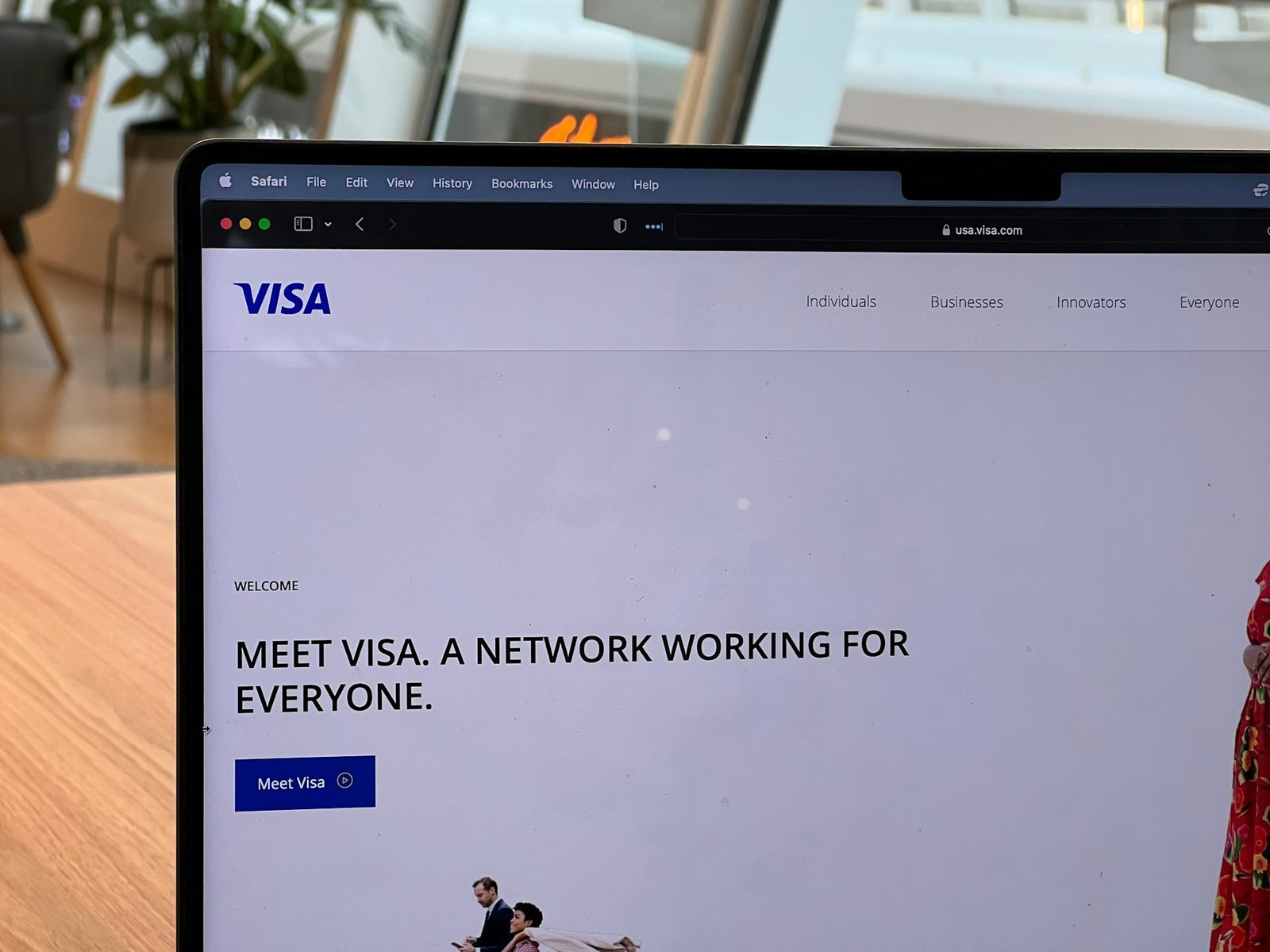
The UK’s Competition Appeal Tribunal (CAT) has published formal notice of a proposed £1.7 billion opt-in collective antitrust claim filed against Visa over consumer card interchange fees. Submitted on October 23, 2026, and published by the Registrar on November 19, 2026, under case reference 1820/7/7/26, the action is brought by Commercial and Interregional Card Claims I Limited (CICC I), directed by Stephen David Allen and represented by Harcus Parker Limited, against five Visa corporate entities.
The proposed class representative is seeking a Collective Proceedings Order to combine stand-alone damages claims under Section 47B of the Competition Act 1998 on behalf of large merchants—specifically corporate groups with an average annual turnover of £100 million or more between 2022 and 2024—that accepted Visa-branded consumer debit, credit, or prepaid cards in the United Kingdom from October 23, 2020 onward. Estimating an opt-in class of roughly 1,471 to 1,940 businesses, the representative simultaneously launched parallel opt-out proceedings for smaller merchants alongside mirror collective claims targeting Mastercard.
|
Senior associates
Are you ready to become a partner?
Take the 90-second quiz and find out
|
At the core of the lawsuit is the allegation that Visa infringed Chapter I of the Competition Act 1998 and Article 101 of the Treaty on the Functioning of the European Union by collectively setting default Multilateral Interchange Fees (MIFs) for domestic, intraregional, and interregional consumer card transactions. According to the filing, these rules restricted competition in the UK card acquiring market by establishing an artificial minimum price floor for the Merchant Service Charges passed on to businesses. Relying on previous UK Supreme Court and CAT umbrella rulings that found similar fee structures anti-competitive, the claimants argue that without Visa’s default interchange rules, competition among acquiring banks would have resulted in significantly lower merchant fees.
Backed by third-party litigation funding and after-the-event insurance, the representative contends that collective proceedings offer the most efficient mechanism to integrate the claims into the tribunal’s ongoing Merchant Interchange Fee Umbrella Proceedings. The class is seeking compensatory damages for the alleged overcharges—or alternatively for lost profits on lost sales if retail pass-on is established—plus simple interest and legal costs.