
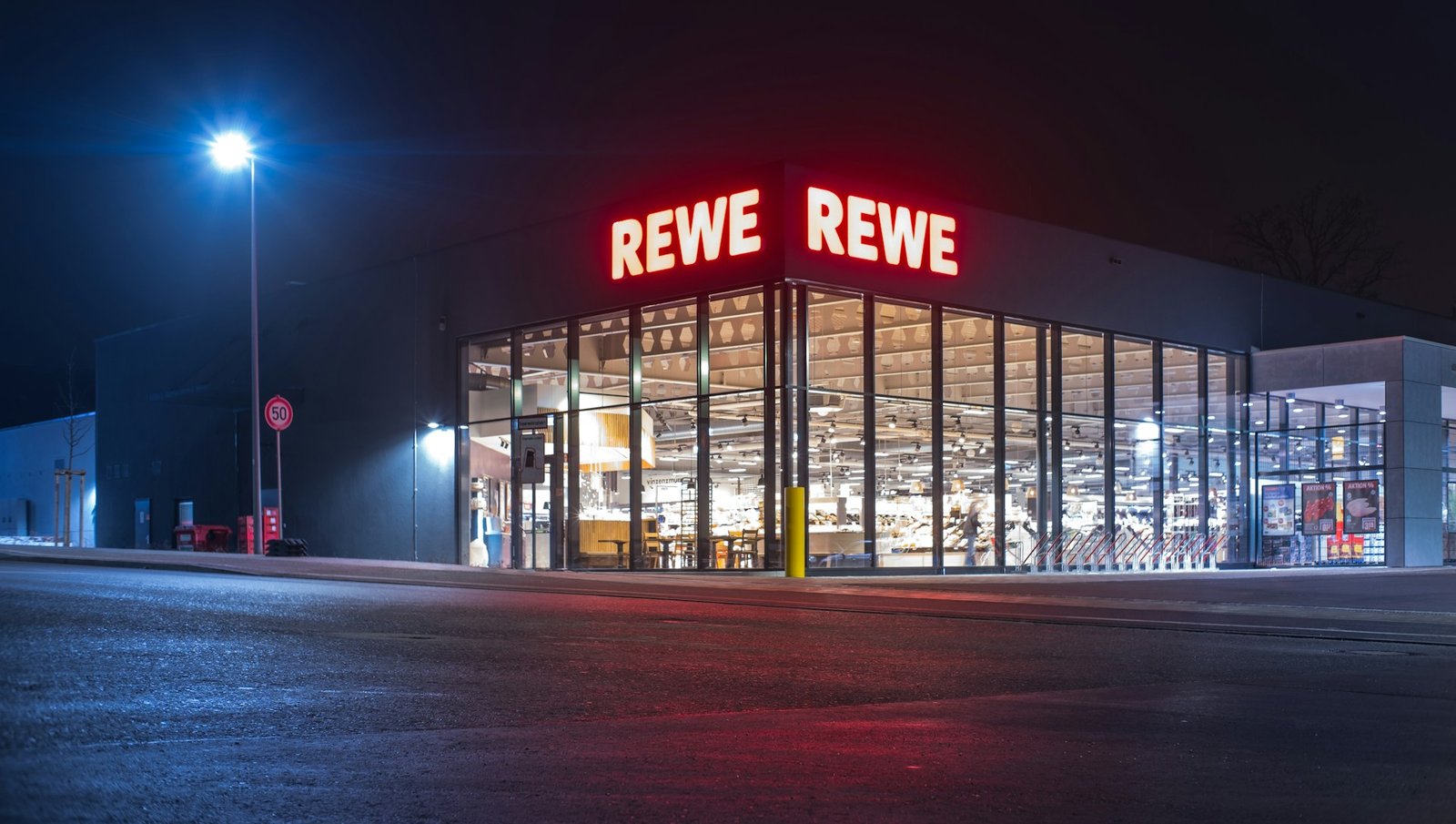
German antitrust regulators at the Federal Cartel Office (Bundeskartellamt) have raised preliminary competition concerns regarding the planned sale of 40 Tegut supermarket locations from Swiss cooperative Migros Zurich to the German grocery giant Rewe. The regulatory intervention highlights ongoing antitrust hurdles facing Migros as it seeks to exit the German market and end years of financial losses stemming from its 2013 acquisition of the Tegut chain. (bluewin)
In a draft decision issued on August 28, the Bonn-based authority notified the involved parties that the proposed transaction with Rewe raises competitive issues across three specific regional markets: Marburg City, Marburg Ketzerbach, and Schlüchtern. Regulators cautioned that acquiring the Tegut branches in these locations would result in excessively high market shares for the Rewe Group, potentially dampening local retail competition. However, the authority noted that Rewe could resolve these objections by offering targeted structural or behavioral commitments.

The scrutiny over the Rewe transaction follows similar regulatory resistance to Migros’ broader divestment strategy. In late July, the Federal Cartel Office flagged competition concerns regarding Edeka’s planned acquisition of approximately 200 Tegut supermarkets, a logistics center, and 40 “Teo” mini-markets—the largest component of Tegut’s total portfolio of just over 300 stores. Regulators determined that the acquisition would create unacceptably high market concentrations across 38 of those store locations.
Despite regulatory delays affecting Rewe and Edeka, Migros has secured approval for other parts of its exit plan. In mid-June, the Federal Cartel Office granted approval for Migros Zurich to sell 36 Tegut locations to the German smart-store chain Tante Enso, allowing that portion of the store network transfer to proceed without antitrust remedies.