
The European Commission has initiated a Phase II in-depth investigation into the proposed merger between offshore engineering giants Saipem and Subsea7. The combination, which would create a combined entity operating under the name “Saipem7,” faces scrutiny under the EU Merger Regulation due to severe competition concerns across critical subsea construction markets.
While preliminary reviews indicated that the companies’ operations are largely complementary in areas like offshore wind and conventional projects, regulators flagged major consolidation risks in the market for subsea umbilicals, risers, and flowlines (SURF).
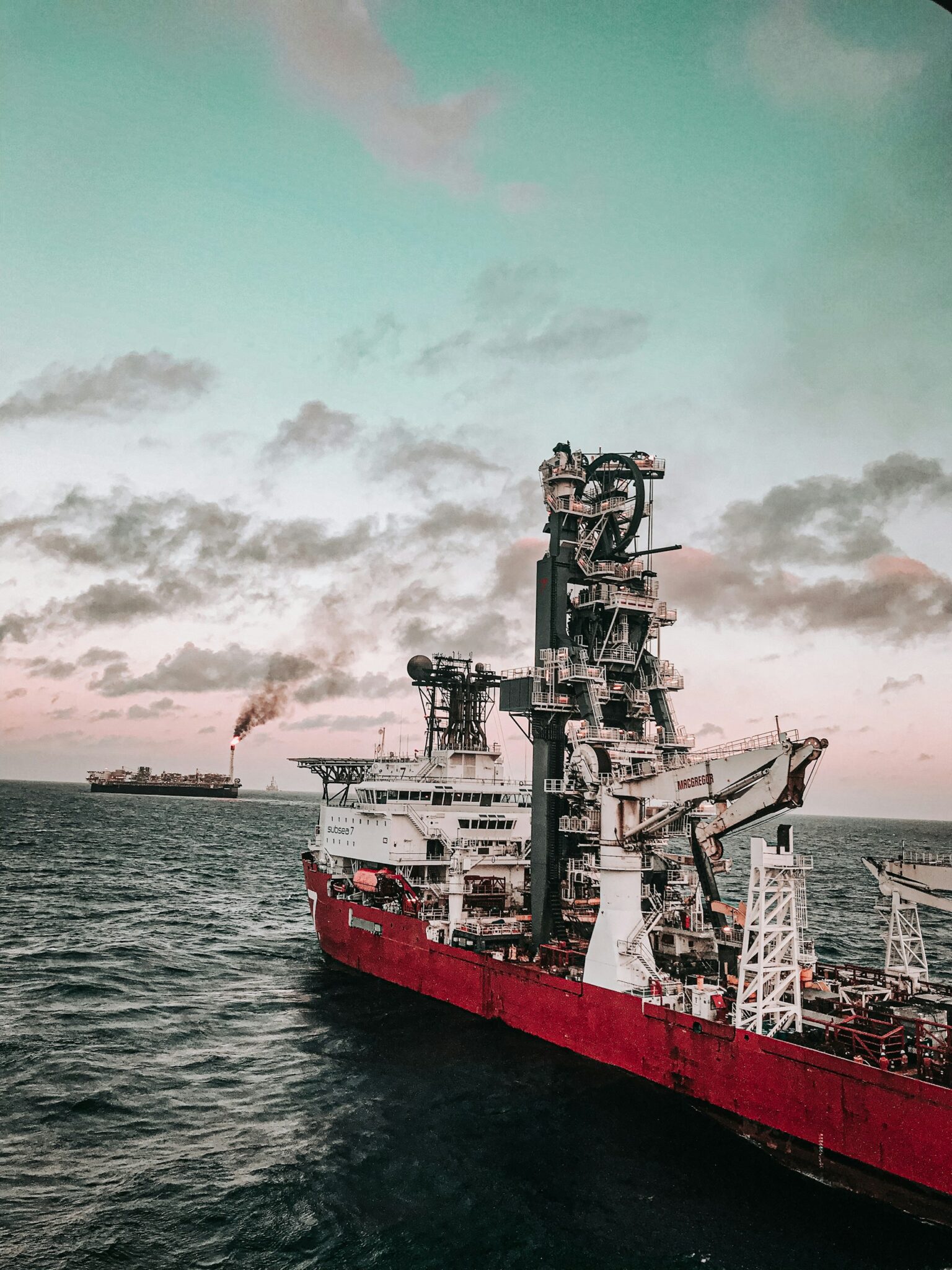
SURF infrastructure forms the essential backbone connecting oil, gas, and carbon capture wells situated thousands of meters underwater to surface processing vessels. As illustrated above, these complex pipelines, umbilical cables, and flexible risers require specialized fleet vessels and engineering expertise to install and maintain on the ocean floor.
Market Concentration and Monopoly Risks
The global SURF market is already dominated by a small group of players. Saipem, based in Italy, and Subsea7, headquartered in Luxembourg and listed in Oslo, represent two of the world’s top three suppliers. Regulators fear that combining them would leave energy companies with almost no alternative providers for complex, large-scale projects.
The Commission highlighted that barrier to entry in this sector are exceptionally high, driven by the massive capital expenditure required to build and operate specialized offshore construction vessels. With limited spare capacity across remaining competitors, even large and sophisticated energy clients could find themselves vulnerable to price increases and reduced innovation.

Beyond traditional oil and gas developments, the merger’s impact extends into emerging green technologies. The same SURF assets and technical capabilities are vital for carbon capture and storage (CCS) initiatives, where captured industrial emissions are piped into permanent subsea geological storage.
Scope of the Probe and Timeline
During the upcoming Phase II review, the Commission will examine whether the deal could facilitate coordinated market behavior or harm adjacent sectors, such as trunkline installation and decommissioning of aging offshore infrastructure. The inquiry will also evaluate potential vertical or conglomerate effects across related supply chains.
The transaction was officially notified on June 16, 2026. Regulators now have 90 working days—until November 26, 2026—to conduct their thorough investigation and issue a final decision determining whether the creation of “Saipem7” can proceed as planned or requires structural remedies.