
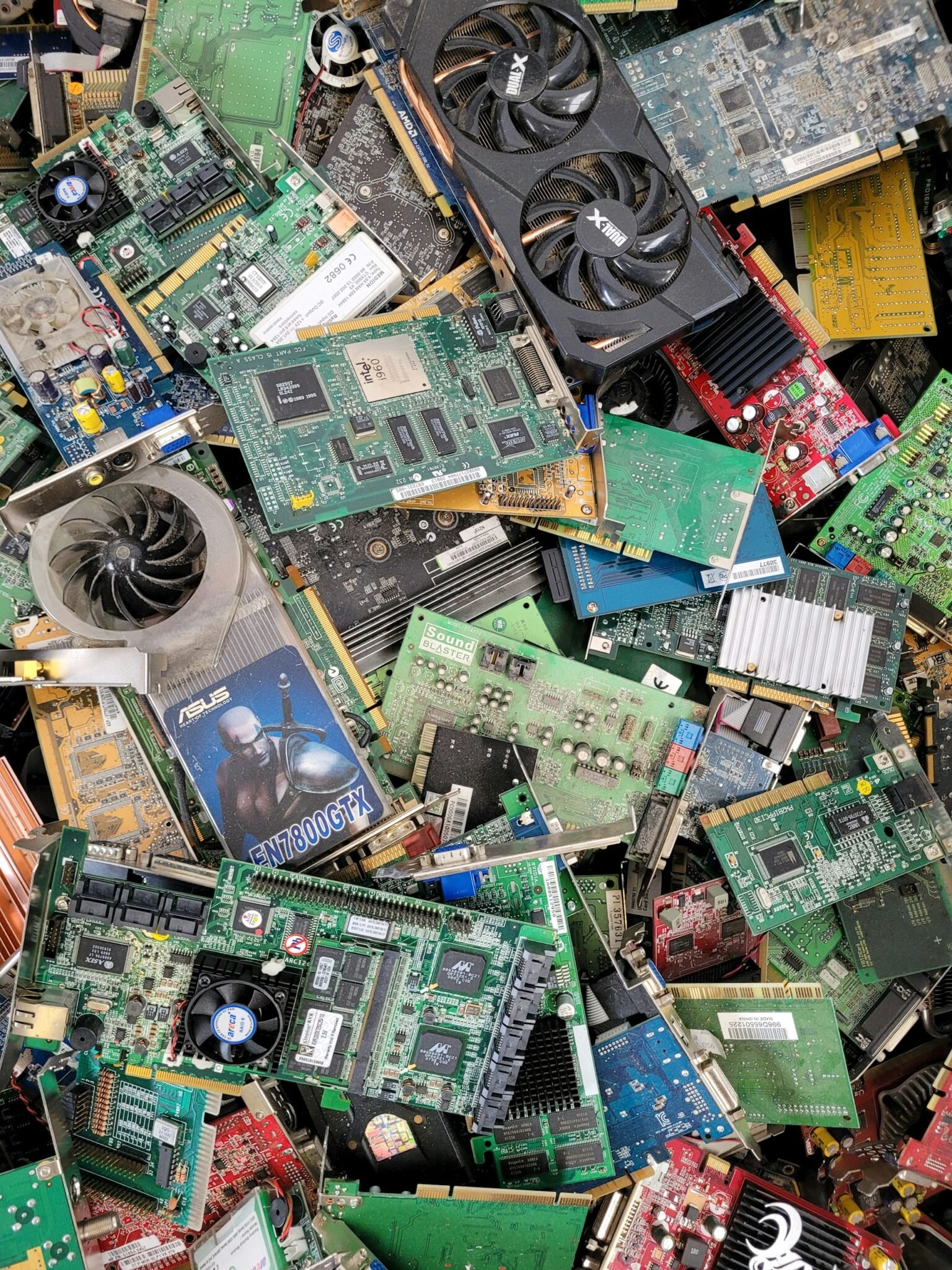
Legislative, administrative, financial, technical, and operational conditions hinder the activity of companies managing waste electrical and electronic equipment (WEEE), according to a study conducted by the Competition Council. Applied simultaneously, these requirements can limit both the entry and retention of operators in the market, reducing competitive pressure and negatively impacting the system’s capacity to handle growing volumes of electrical and electronic equipment (EEE).
The President of the Competition Council, Bogdan Chirițoiu, emphasized that environmental objectives must be supported through clear, proportionate, and easy-to-apply rules. The overlap of licensing, authorization, and certification requirements risks limiting market access for operators and placing pressure on WEEE management capacity, with direct effects on costs borne by producers and consumers. Therefore, identifying less restrictive solutions without lowering environmental protection standards is necessary.

The WEEE management system operates on the principle of Extended Producer Responsibility (EPR), under which manufacturers and importers are financially and operationally responsible for the waste generated. In Romania, producers have transferred their obligations to collective organizations (Responsibility Transfer Organizations – RTOs). Under legislation adopted in 2024, authorization conditions for RTOs were tightened, requiring a market share of at least 5% and a guarantee of two million lei paid to the Administration of the Environment Fund (AFM). Consequently, the number of RTOs dropped from 19 in the 2021–2023 period to 14 in 2026, restricting options for manufacturers and consolidating the position of dominant players.
Regarding treatment operators, mandatory compliance with European CENELEC standards requires substantial investments in equipment and staff. The lack of nationally accredited certification bodies and the requirement to enter mandatory partnerships with producers or RTOs complicate market entry, favoring larger operators. This vulnerability is further exacerbated by an uneven infrastructure distribution: in 2024, approximately one-third of the country’s counties had no authorized treatment facilities.
These measures come against the backdrop of rapidly expanding waste volumes; between 2020 and 2025, the quantity of EEE placed on the market grew from 319,000 to over 474,000 tonnes, while the collection rate rose from 33% to 57%. Nonetheless, total system costs—funded through the Green Stamp fee paid by consumers—continue to rise. Romania registers higher contributions than countries such as the Netherlands or Italy. To address these issues, the Competition Council recommends that the Ministry of Environment perform an impact analysis to introduce less restrictive measures and standardize EEE subcategories used by RTOs to enable transparent fee comparisons.