
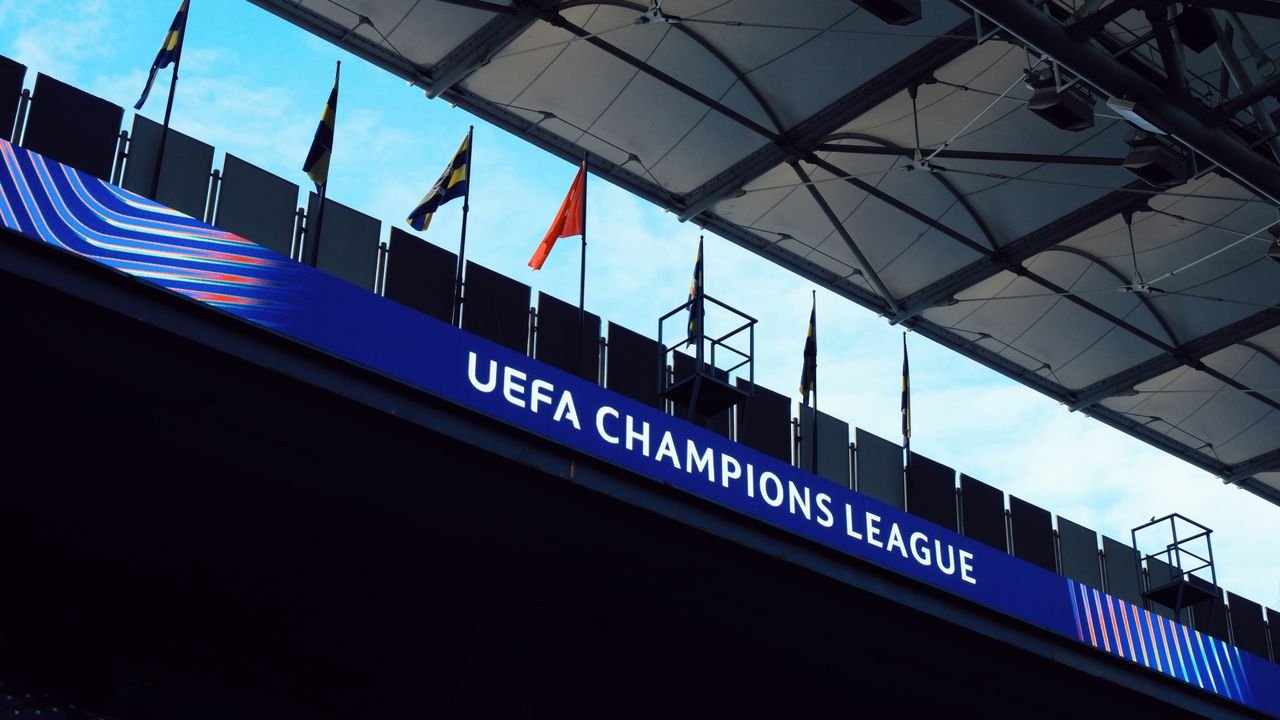
European soccer’s governing body, UEFA, and its recognized club representative group, European Football Clubs (EFC), face an EU antitrust complaint filed by the Union of European Clubs (UEC), an organization representing smaller and non-elite teams.
Submitted to the European Commission on November 16, 2026, the complaint challenges an exclusive agreement under which UEFA recognizes EFC—chaired by Paris Saint-Germain president Nasser al-Khelaifi—as the sole body representing European clubs. The UEC argues that this monopoly on representation, paired with unequal internal voting rights and EFC’s power to nominate 16 of the 20 members on UEFA’s Club Competitions Committee, allows wealthy elite teams to control tournament formats, qualification rules, and prize money distribution.
According to the UEC, EFC bylaws further entrench this dominance by barring its 920 member clubs from joining rival cross-border associations without approval. The UEC alleged that one club was threatened with expulsion from EFC in 2024 for joining the rival group, while 59 clubs have kept their UEC membership confidential to avoid pressure. Citing research showing that roughly 50 clubs have claimed 80 percent of Champions League spots since 2000, the UEC contends that the current governance model funnels disproportionate revenue to top clubs and distorts domestic competition.
Advised by former EU Court of Justice Advocate General Miguel Maduro, the UEC relies on the landmark 2023 European Super League ruling, which requires sports governing bodies to apply transparent, objective, and non-discriminatory governance standards. The group is asking Brussels to publish the confidential UEFA-EFC Memorandum of Understanding and remove restrictive clauses so other club associations can gain formal recognition.
UEFA defended its governance model in a statement, asserting that its agreement with EFC has provided a stable, transparent framework since 2008 that ensures meaningful club involvement through dialogue and compromise. However, convincing the European Commission to launch a formal investigation may prove challenging, as EU antitrust enforcers have historically been reluctant to intervene in politically sensitive soccer disputes and maintain close ties with UEFA leadership.