
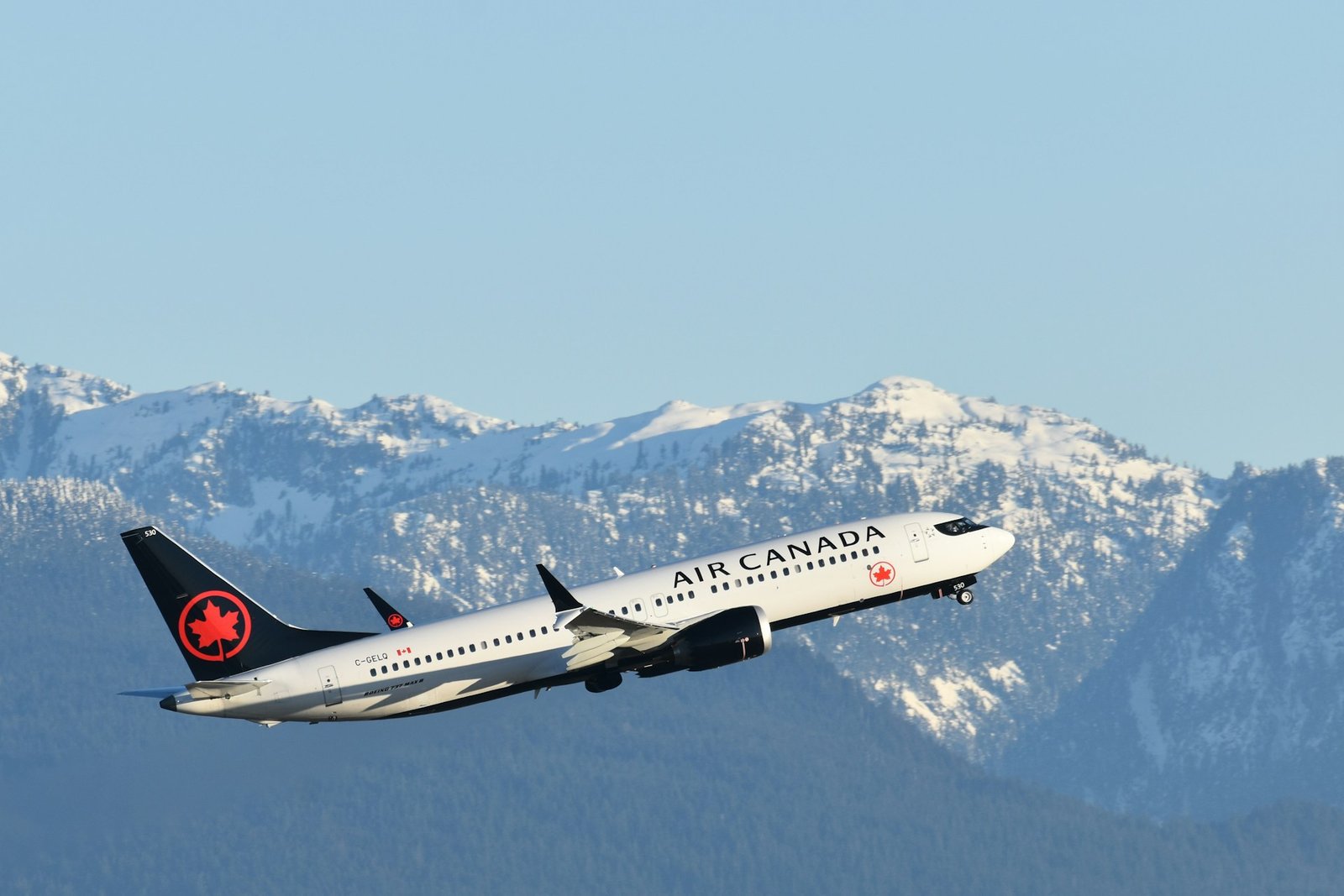
Canada’s Competition Bureau has cautioned the federal Minister of Transport that a proposed arrangement between Air Canada and United Airlines would likely stifle competition and increase ticket prices on ten key cross-border flight routes.
The proposed deal seeks to expand coordination between the two major carriers, including joint pricing strategies, on specific transborder corridors. These ten routes—which connect major hubs like Toronto, Montreal, Ottawa, and Vancouver to US destinations such as Chicago, Denver, Houston, New York, San Francisco, and Washington—are currently restricted by a 2012 consent agreement explicitly designed to prevent market consolidation.
According to the Bureau’s official review, Air Canada and United account for all non-stop passenger traffic on five of the affected routes and hold dominant combined market shares on the remaining five. Regulators concluded that removing existing coordination restrictions would eliminate direct rivalry, creating or strengthening monopoly conditions. This shift could lead to millions of dollars in annual consumer harm through inflated airfares.
“Competition between airlines helps keep fares lower and gives travellers more choice and better service,” stated Interim Commissioner of Competition Jeanne Pratt. Pratt emphasized that allowing further coordination between the two carriers would directly undermine price competition for cross-border travelers.
The Bureau noted that high barriers to entry make it unlikely that competing airlines would expand operations quickly enough to offset price increases. The findings have been delivered to the Minister of Transport, who will weigh the competition concerns against broader public interest considerations before deciding whether to approve the arrangement under the Canada Transportation Act.