
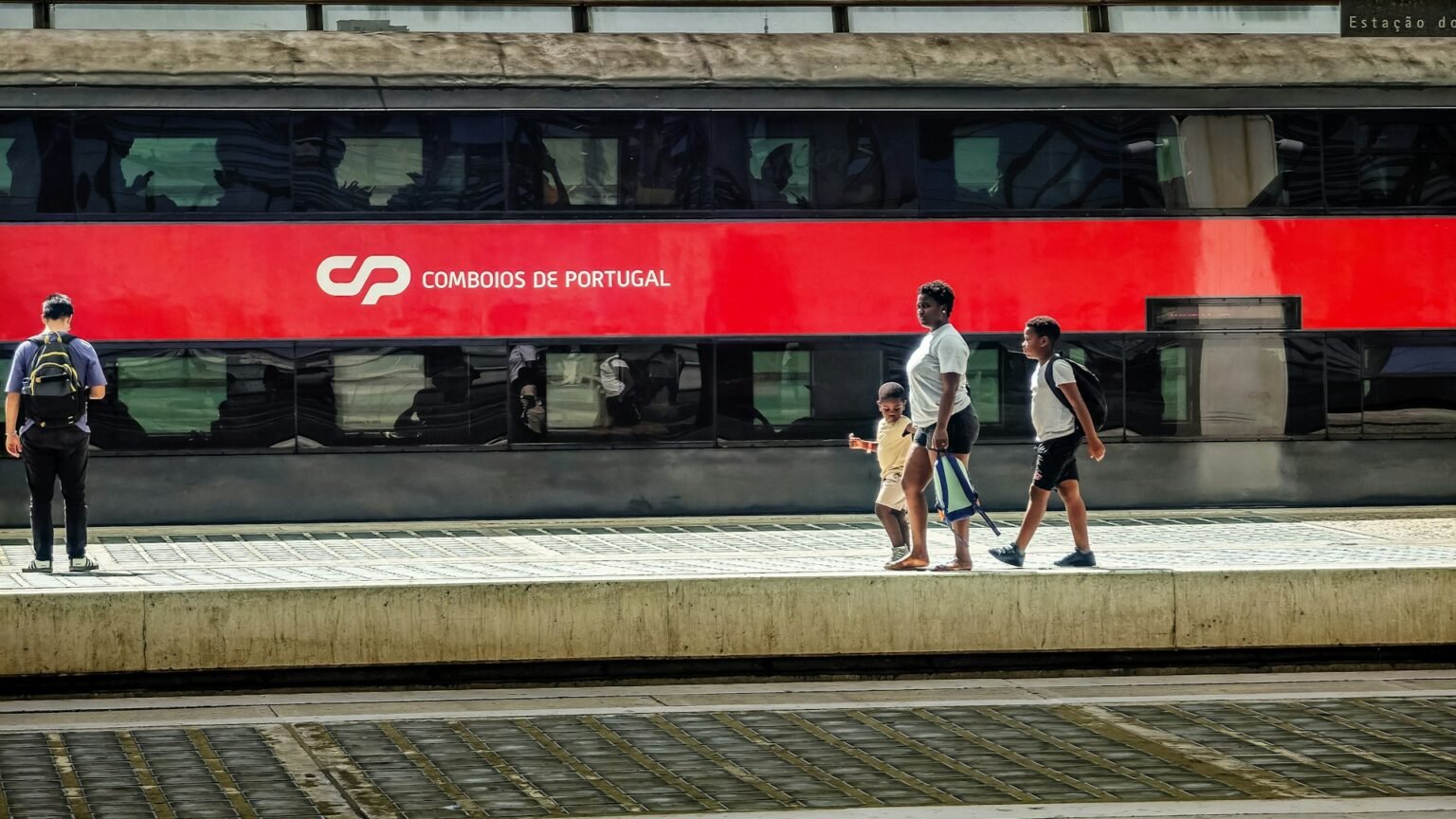
The Portuguese Competition Authority (AdC) has issued a comprehensive study urging the government to dismantle important entry barriers and open the country’s passenger and freight rail networks to market competition. Published following a spring 2026 public consultation, the study includes 19 targeted recommendations directed at the Government, infrastructure manager Infraestruturas de Portugal, and the Authority for Mobility and Transport.
The AdC stresses that opening the railway sector will yield lower ticket prices, increased service frequencies, and enhanced operational efficiency. Citing European precedent, the regulator highlights that market opening across eight EU cases reduced average passenger ticket prices by 28%, while boosting service frequencies by up to 56% on key corridors like Rome–Milan.
A central priority is reforming how public service contracts are awarded. The regulator views direct awards to incumbent state operators like CP as exceptional mechanisms that delay consumer benefits. Regarding the government’s plan to extend CP’s current contract to 2034, the AdC recommends strictly limiting any extension to what is required to amortize existing investments, followed immediately by international public tenders. It similarly recommends that the Fertagus concession, ending in 2031, be opened to competitive bidding rather than extended. Furthermore, the AdC advises reassessing existing routes to identify commercially viable lines that could operate without state subsidies.
To level the playing field, the report targets crucial operational barriers. Access to rolling stock and staffing presents severe supply bottlenecks for new entrants. The AdC argues that future tenders must guarantee non-discriminatory access to leased rolling stock under transparent, cost-oriented terms, alongside clear protocols for transferring staff to new concessionaires.

Technical constraints further restrict market entry. The widespread use of the Iberian track gauge and the legacy CONVEL signaling system limits vehicle availability. The AdC urges decision-makers to evaluate the competitive impacts of gauge selection on future high-speed lines, such as the Porto–Lisbon connection, and calls for the swift rollout of the European Rail Traffic Management System. Finally, the regulator advocates for open, non-discriminatory access to ticketing data so third-party sales platforms can compete freely.
This push gained significant political weight when Portugal’s Assembly of the Republic passed a resolution endorsing the AdC’s preliminary findings and urging the government to proceed with international market opening.