
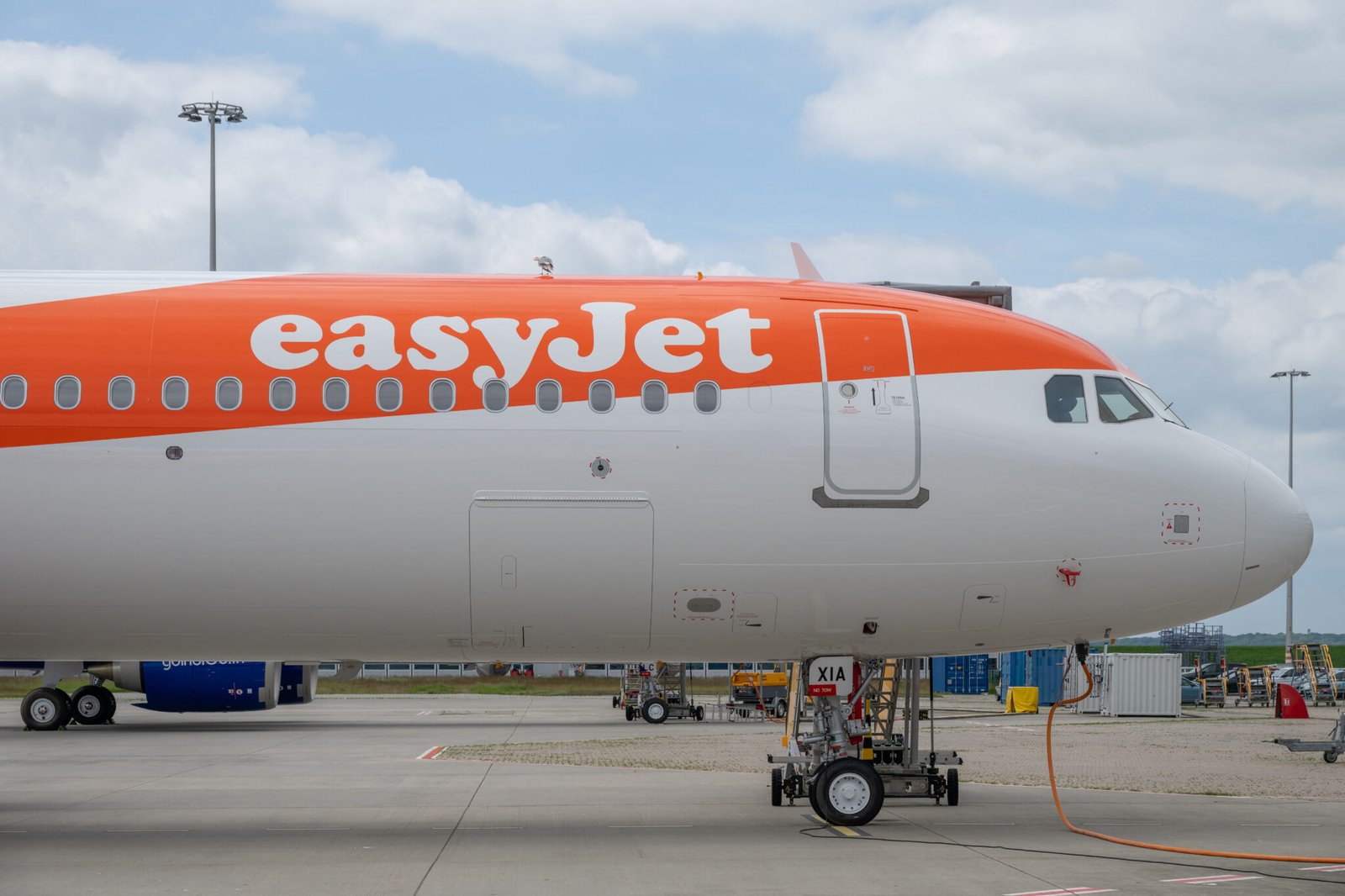
EasyJet has reached a preliminary agreement with US private credit group Castlelake on a blockbuster £5.5 billion (€6.4 billion) deal that could see the European budget airline go private. The airline confirmed that the two companies have agreed in principle to financial terms, valuing its equity at £6.90 per share on a fully diluted basis.(The Irish Times)
The announcement marks a breakthrough following a relentless, months-long pursuit by Castlelake, an investment firm with extensive aviation expertise that already holds a major stake in Scandinavian carrier SAS. EasyJet’s board had rejected four previous takeover approaches from the private credit group, dismissing them as “highly opportunistic” attempts to acquire the company while its share price suffered from geopolitical volatility and wider market depression affecting European carriers. Castlelake’s fourth rejected bid stood at £6.50 per share, valuing the airline at £4.9 billion.
The breakthrough came after Castlelake indicated it would raise its valuation if granted access to the airline’s books. EasyJet subsequently agreed to limited due diligence to assess the plan’s viability and address structural concerns. While some investors originally hoped for a £7.00 per share baseline, the current £6.90 offer represents a valuation the board is “minded to recommend” to its shareholders. Consequently, the standard UK takeover deadline has been officially extended to August 3, 2026, to allow for the formalization of a firm bid.

Market analysts view the privatization push as a reflection of the systemic challenges facing legacy low-cost European airlines. While the £6.90 offer commands a decent premium over recent lackluster trading performance, it remains a steep discount from EasyJet’s peak valuations in the late 2010s. The airline’s stock has failed to mount a complete recovery since the pandemic and has not breached the £7.00 mark since 2021.
Currently, EasyJet is spearheading a medium-term strategy to reach £1 billion in annual profits by aggressively expanding its profitable package holiday arm and modernizing its fleet with highly fuel-efficient passenger jets. Transitioning under Castlelake’s private ownership could afford the airline the flexibility to execute this capital-intensive fleet overhaul and restructure its operations away from the quarter-to-quarter pressures of the public equity markets.