
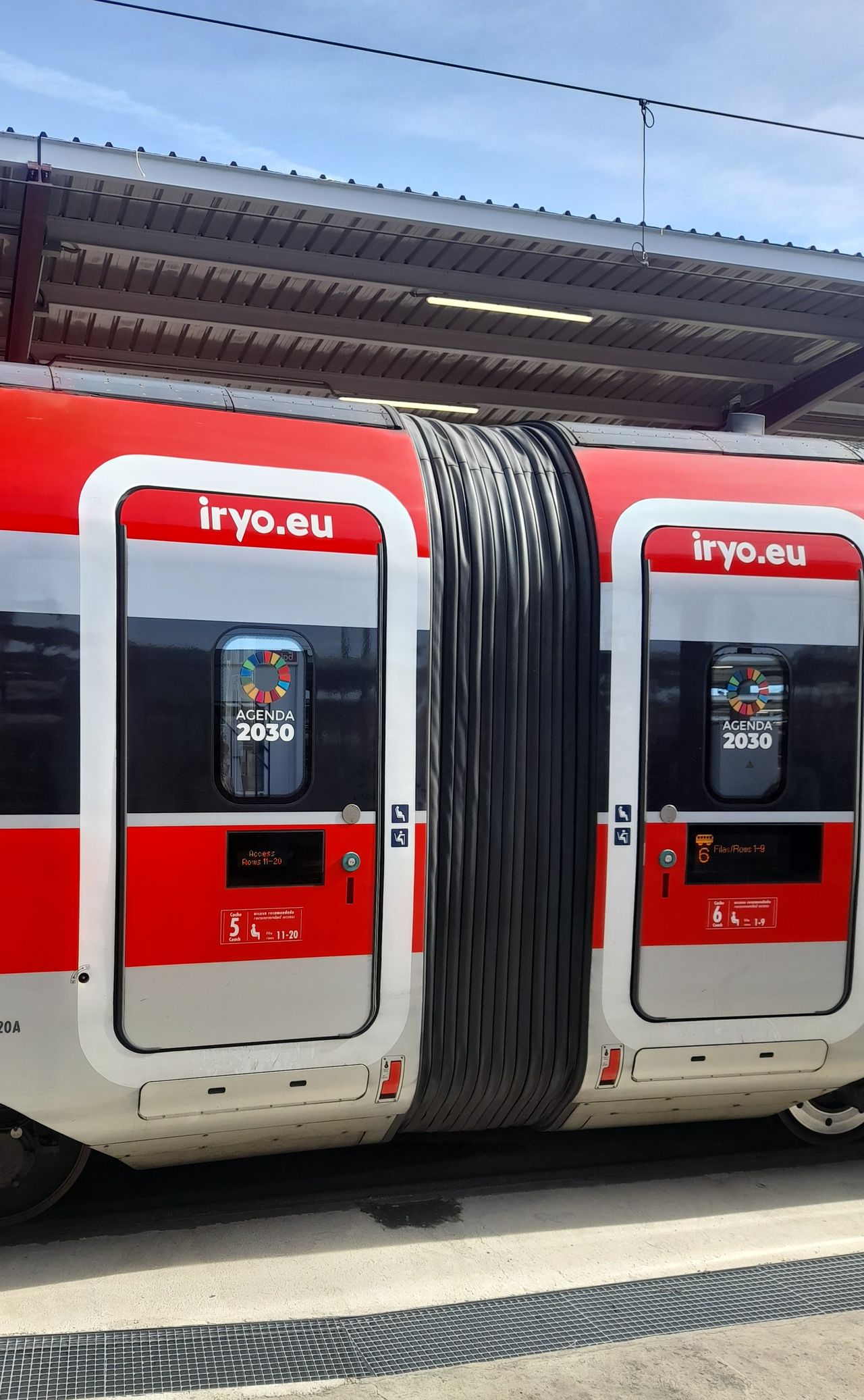
A recent resolution by Spain’s National Markets and Competition Commission (CNMC) highlights the delicate balance of market liberalisation in the railway sector. The dispute arose after Renfe Mantenimiento, the maintenance division of the state-owned rail operator, abruptly rejected access to its heavy maintenance facilities for private competitor Iryo just two weeks before operations were scheduled to begin. The decision followed more than eighteen months of negotiations between the two parties over facility access and service agreements.
In its assessment, the CNMC determined that Renfe Mantenimiento acted without sufficient objective justification and failed to follow statutory coordination and prioritization procedures. Because heavy maintenance is critical to keeping rolling stock operational, the sudden denial left Iryo without viable short-term alternatives, raising the risk of grounded trains, breach of capacity reservations, and reduced choices for passengers.

To mitigate market harm, the regulatory body ordered Renfe Mantenimiento to grant Iryo’s fleet of nineteen trains access to its La Sagra workshop for bogie mounting and dismounting operations under the terms previously negotiated. However, the CNMC partially rejected Iryo’s broader request to perform all self-maintenance operations associated with its “R2” overhaul, noting that such services were not included in Renfe Mantenimiento’s public offering. The ruling reinforces the principle that dominant facility providers must guarantee non-discriminatory access to essential rail services while upholding clear procedural limits for market entrants.