
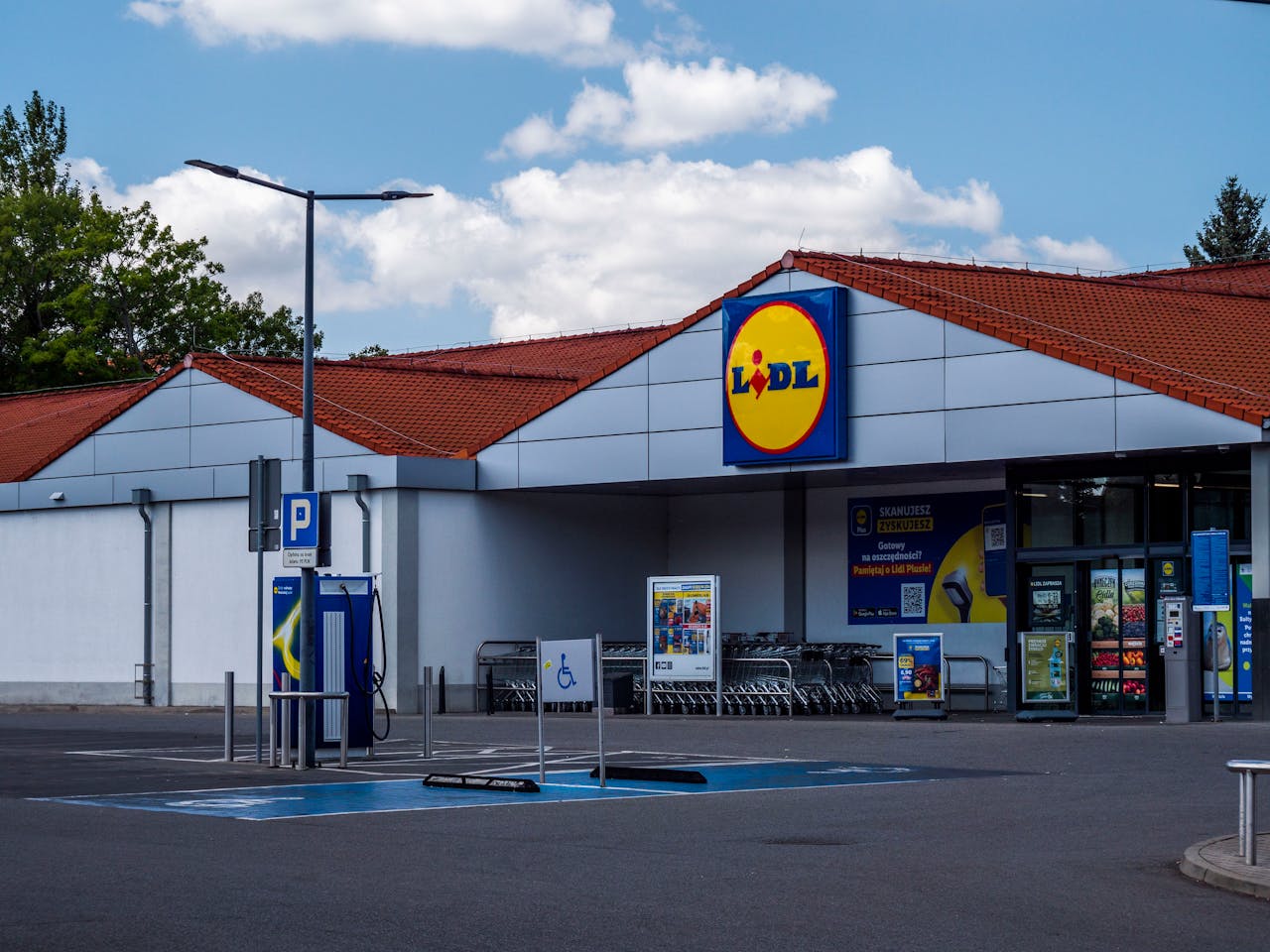
Poland’s Office of Competition and Consumer Protection, UOKiK, has launched an explanatory investigation into a suspected labor market cartel involving the retail giant Lidl and four of its cooperating transport companies. Acting with court approval and assisted by the police, UOKiK officials conducted simultaneous searches at the corporate offices of Lidl and several major logistics providers, including Omega Pilzno, companies within the Van Group, Firma Transportowo-Spedycyjna Zbigniew Ratajczak, and Dar-Pol Dariusz Kulesza.
The antitrust watchdog is investigating whether these companies entered into an illegal anti-poaching agreement that prevented transport firms operating at Lidl’s distribution centers from competing for drivers. In practice, the suspected collusion meant that these carriers refused to hire drivers currently or previously employed by other participants in the scheme. According to UOKiK, these restrictive terms may have been coordinated directly between the transport firms or facilitated through Lidl. The retail chain allegedly established a enforcement mechanism by barring drivers who changed employers from entering its distribution hubs. Furthermore, the agreement may have banned transport firms from taking over smaller subcontractors that physically fulfilled delivery routes for Lidl.
Tomasz Chróstny, the President of UOKiK, emphasized that collusion on the labor market is both ethically reprehensible and strictly illegal. He noted that such agreements artificially lock employees out of career progression while allowing employers to avoid improving working conditions, raising wages, or offering better benefits. Chróstny confirmed that investigators successfully gathered a substantial amount of evidence during the raids, which is currently undergoing detailed analysis.

The current proceedings are exploratory and are being conducted in the matter rather than against specific entities. However, if the analyzed evidence confirms the anti-competitive behavior, UOKiK will initiate formal antitrust proceedings and level specific charges. The stakes are high for the corporations involved, as participating in a competition-restricting agreement carries a financial penalty of up to 10% of a company’s annual turnover. Additionally, individual executives and managers responsible for orchestrating the collusion could face personal fines of up to 2 million PLN.
To incentivize compliance, UOKiK reminded the involved parties of its leniency program, which allows participating companies or executives to significantly reduce or entirely avoid financial sanctions if they act as a whistleblower. By cooperating fully with the antitrust authority and providing key evidence about the cartel, companies can mitigate their legal fallout, a mechanism UOKiK encourages through a dedicated, anonymous consultation hotline.