
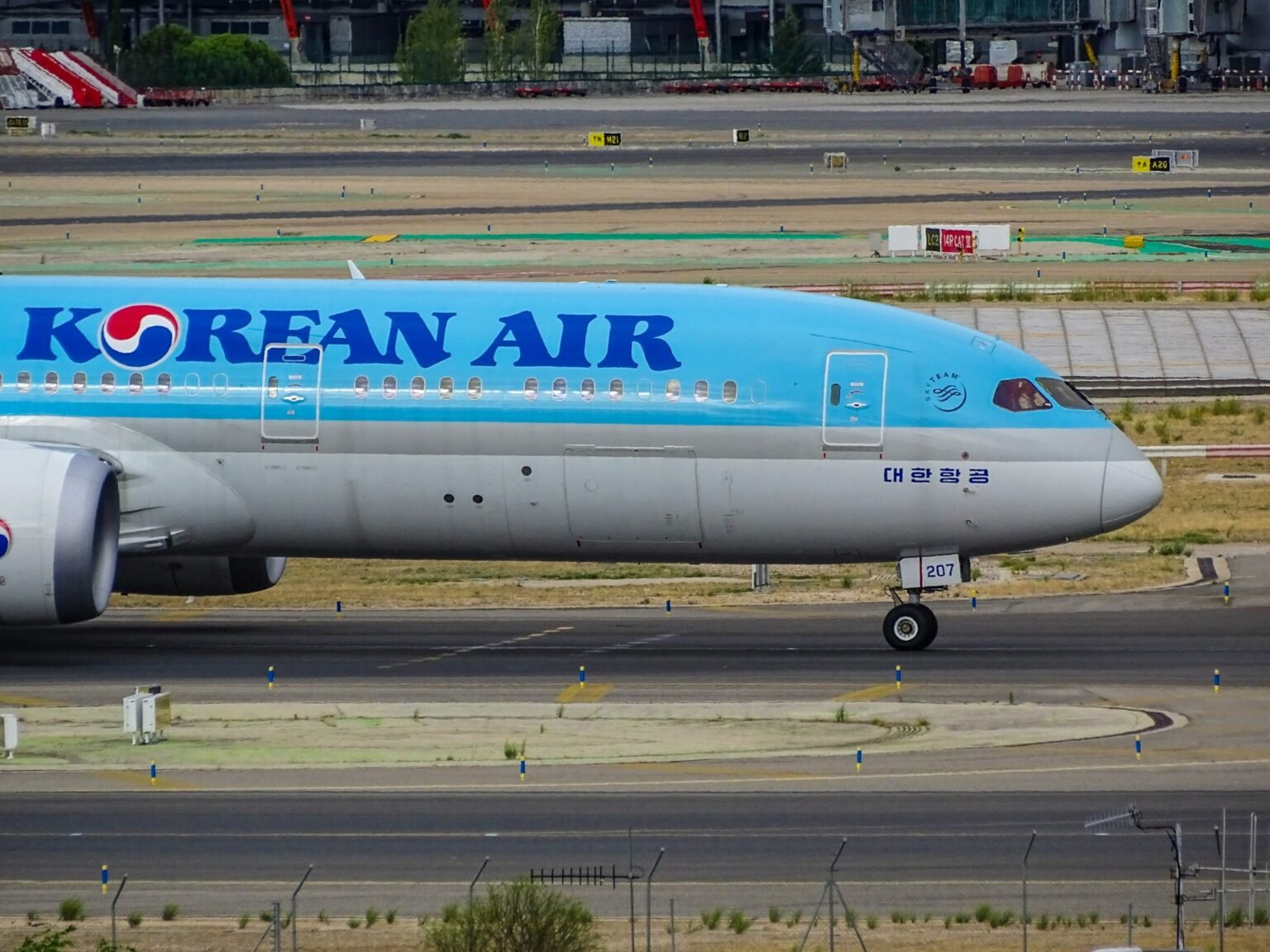
South Korea’s Fair Trade Commission (FTC) Secretariat has submitted examiner reports initiating formal deliberations regarding remedy compliance and modification requests tied to the Korean Air-Asiana merger.
The first case addresses non-compliance on the Cheongju-Jeju routes. Korean Air, Jin Air, and Asiana Airlines are alleged to have violated their behavioral commitments by cutting seat capacity below 90% of 2019 pre-merger levels between December 2024 and December 2025. Grounded in mandatory behavioral remedies aimed at preserving passenger service until structural slot reallocations complete, the examiner found these reductions unlawful. Consequently, the report recommends issuing formal criminal referrals and imposing enforcement fines under Article 16 of the Monopoly Regulation and Fair Trade Act.

Simultaneously, the FTC Secretariat reviewed a request by five affiliated carriers—Korean Air, Jin Air, Asiana Airlines, Air Busan, and Air Seoul—to ease seat maintenance obligations on the Incheon-Guam and Busan-Guam routes. Citing declining tourism demand and infrastructure deterioration in Guam, the airlines sought to lower their mandatory seat capacity threshold from 90% to 70% of 2019 levels and asked that voluntary slot surrenders count toward structural remedy completion.
However, the examiner recommended dismissing the request. Under regulatory rules, modifications require major, unforeseen external circumstances arising after the FTC’s final decision in December 2024. The examiner concluded that no new material changes occurred after that date to justify non-performance or relaxation of the rules.
The FTC has provided the examiner reports to the airlines to allow written submissions and defense preparations ahead of a final determination by the full Commission. The antitrust watchdog emphasized its commitment to actively monitoring remedy compliance across all routes to prevent consumer harm in the air passenger transport market.