
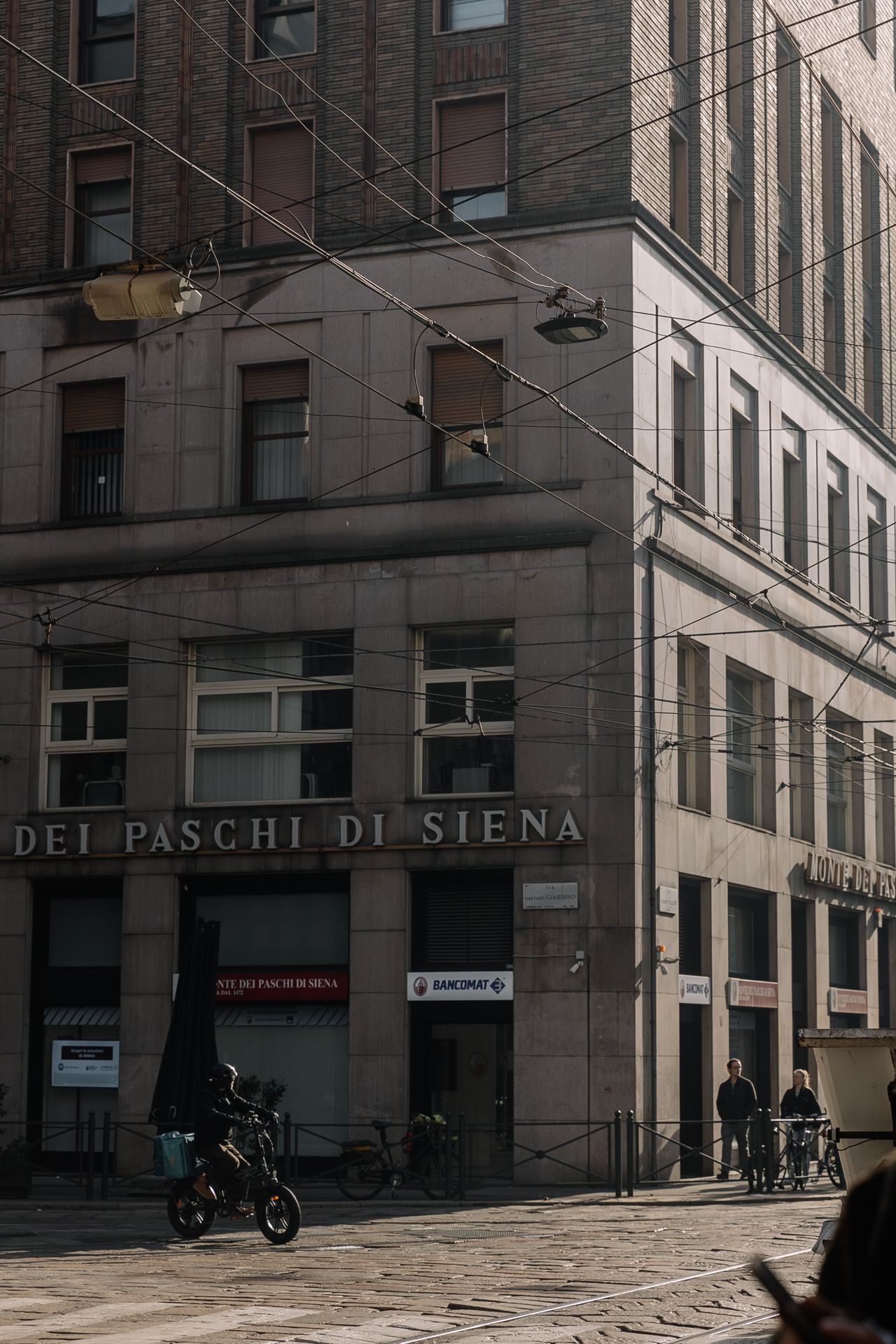
The Italian banking sector stands on the precipice of a monumental consolidation wave following a unanimous board decision by Banco BPM to propose a merger of equals to Banca Monte dei Paschi di Siena (MPS). Announced on June 7, 2026, the potential combination aims to forge a new domestic financial titan boasting an estimated market capitalization exceeding €50 billion. If successfully realized, the combined entity would solidify its position as Italy’s second-largest banking and financial group by customer loans and deposits.
The strategic rationale driving the proposal anchors heavily on geographical and industrial synergies. By joining forces, the two institutions would establish a powerhouse national footprint, securing the top spot by branch count in high-potential northern regions like Lombardy, Tuscany, and Veneto, while simultaneously expanding their competitive reach across Central and Southern Italy. Furthermore, the transaction intends to capitalize on the complementary strengths of their product factories, building upon Banco BPM’s recent internalizations and integration efforts involving Mediobanca.
Financially, the tie-up promises substantial value creation for both sides. Banco BPM estimates annual run-rate pre-tax synergies at over €1.1 billion—comprising €650 million in cost reductions and €450 million in enhanced revenues. Net of integration costs, the transaction is projected to yield at least €5.5 billion in overall value creation, fueling a potential run-rate net profit of approximately €6 billion. For shareholders, this translates to a double-digit earnings per share accretion exceeding 10% and a robust pro-forma fully loaded CET1 ratio of about 15%. The newly scaled operation would also unlock significant strategic options regarding MPS’s existing stake in Assicurazioni Generali.
To minimize execution risk and align shareholder interests, the deal is framed strictly as a consensual merger of equals. The proposed governance structure emphasizes balance and representativeness, promising to preserve the distinct corporate cultures, historic headquarters, and deeply rooted local brands of both legacy institutions. This local safeguarding ensures the group maintains its vital ties to regional territories while gaining the operational scale necessary to fund major technological investments and compete with larger European peers and digital disruptors.
This explosive proposal lands at an intensely competitive juncture for Italian banking, rapidly triggering counter-moves. On Monday, June 8, 2026, Italy’s largest banking group, Intesa Sanpaolo, launched a massive spoiler by announcing an unsolicited €30.6 billion cash-and-share hostile bid to buy MPS. Offering a 12.5% premium over MPS’s closing share price, Intesa aims to push its own capitalization to €126 billion, eyeing a net income goal of €16 billion by 2029.

Because antitrust constraints legally limit Intesa’s ability to absorb MPS fully—having already captured a fifth of the domestic market through its 2020 acquisition of UBI—Intesa has structured a side-deal with insurer Unipol (the main investor in BPER Banca). Under this agreement, if Intesa’s bid succeeds, it will immediately sell off an MPS business unit comprising 635 branches and the MPS brand to BPER to satisfy competition regulators.
MPS has emerged as the crown jewel of Italian finance’s consolidation wars after buying Mediobanca last year, which effectively made it the largest investor in insurer Generali—a coveted asset that rival UniCredit has also built a large stake in, and one that Intesa itself has tried to acquire in the past.
Banco BPM’s initial move marks its first major strategic play since successfully fending off a hostile takeover bid from UniCredit in July 2025. With the financial sector watching closely, all eyes now turn to an imminent MPS board meeting to see how the bank navigates this high-stakes tug-of-war between Banco BPM’s consensual merger and Intesa’s aggressive counter-offer.