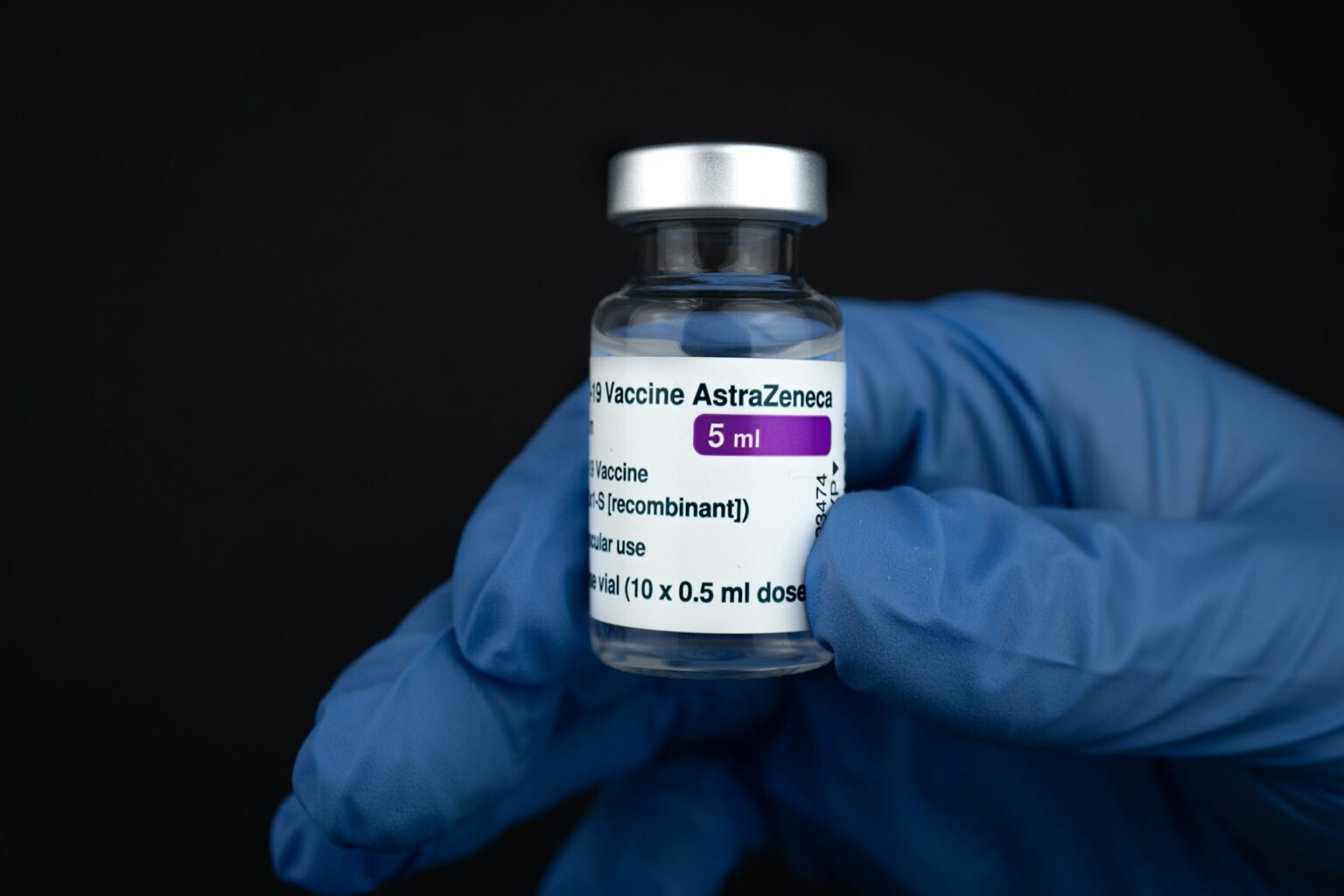
AstraZeneca and Bristol Myers Squibb have held preliminary discussions regarding a potential merger that could create a pharmaceutical giant valued at nearly $400 billion. If realized, the transaction would be the industry’s first major consolidation since 2020, significantly reshaping the global healthcare sector. (Reuters, FT)
The reported negotiations come as both companies navigate shifting strategic priorities and commercial pressures. Under Chief Executive Officer Pascal Soriot, AstraZeneca has experienced remarkable growth over the past 14 years, propelled largely by its expanding oncology portfolio. Cancer treatments generated roughly $25 billion in sales in 2025, representing nearly half of the company’s total revenue. While the UK-based drugmaker previously unveiled plans for a direct U.S. listing to capture higher market valuations, acquiring a premier U.S. pharmaceutical firm would mark a dramatic expansion of its transatlantic footprint.
Conversely, Bristol Myers Squibb has been actively pursuing deals to revitalize its pipeline as key revenue drivers face impending generic competition. The New Jersey-based company derives more than 40 percent of its revenue from oncology, but flagship therapies such as the blood thinner Eliquis and the cancer immunotherapy Opdivo are projected to lose patent protection by 2028. To counter these patent cliffs, Bristol Myers has relied on newer drugs like Reblozyl and Camzyos, alongside experimental treatments like milvexian.

Despite the strategic rationale, industry experts anticipate substantial regulatory hurdles. A transaction of this scale would face intense scrutiny from U.S. antitrust authorities under the Trump administration, which has prioritized domestic pharmaceutical manufacturing and aggressive oversight of healthcare consolidation. Given that both companies directly compete in cancer immunotherapies and overlapping late-stage pipelines, federal regulators would likely demand significant asset divestitures before granting approval. Previous precedent underscores this risk, such as when the Federal Trade Commission required Bristol Myers to sell off its $13.4 billion psoriasis drug Otezla during its 2019 acquisition of Celgene.
AstraZeneca declined to comment on the reported talks, while Bristol Myers did not immediately respond to inquiries. Whether the preliminary discussions will progress into a binding agreement remains uncertain.