
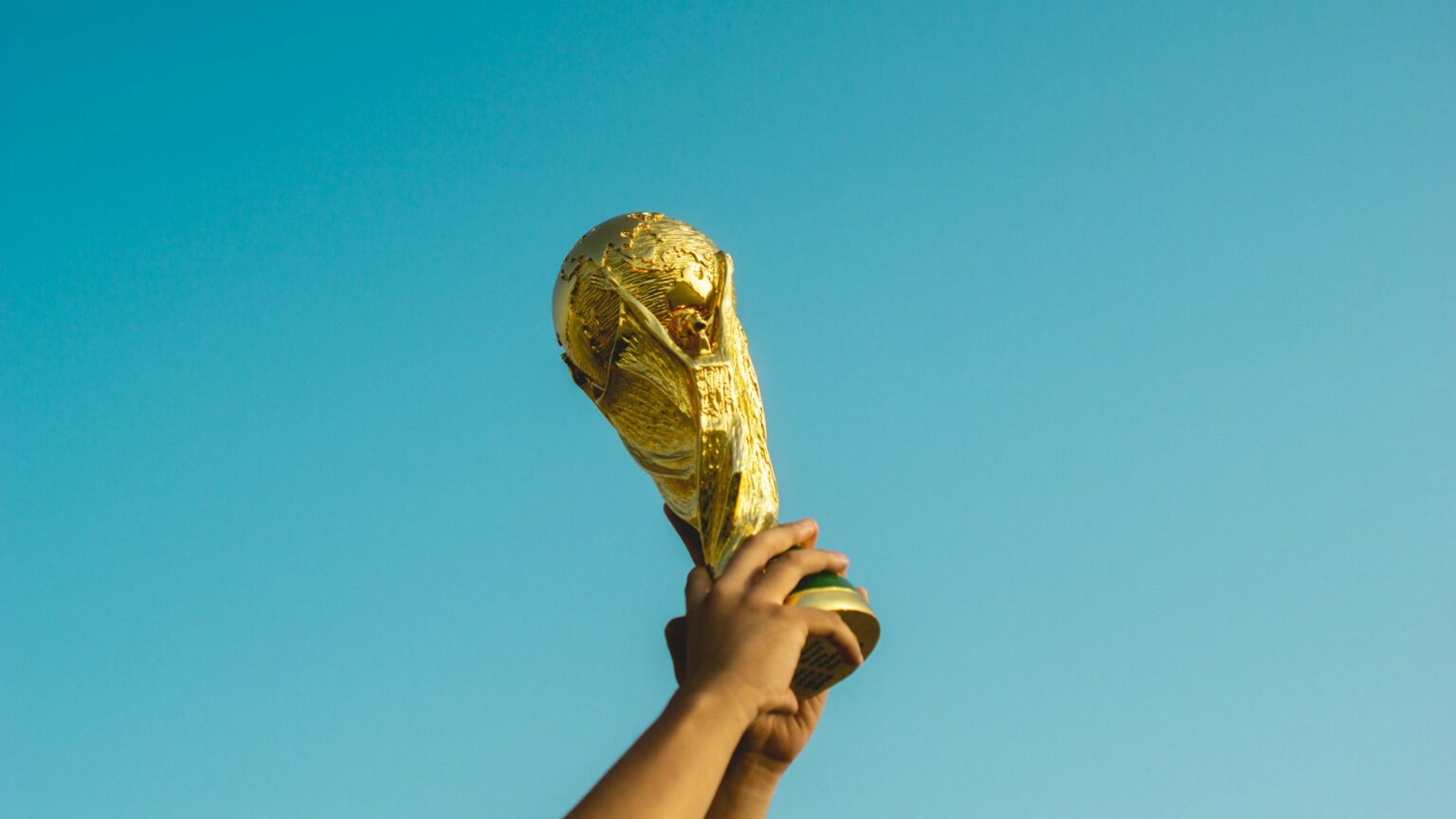
The global football faces an unprecedented schism following FIFA’s announcement of plans to sell minority stakes in a new $20 billion commercial subsidiary. The entity, named FIFA Forward Enterprise, is designed to manage event operations and commercial rights for major tournaments. By offering up to 20 percent to external investors, world soccer’s governing body aims to raise $4.2 billion (Reuters). While FIFA frames the move as a transformative effort to fund global infrastructure, the proposal has drawn immediate, scathing pushback from European football executives and political figures who warn that the sport is losing its way.
That raises profound questions about governance, independence and conflicts of interest.These are also proposals that raise important competition law considerations. As the CJEU consistently recognised, sporting rules are subject to EU law where they produce economic effects. Within the scope of its competences under the Treaties, the European Commission will study these proposals carefully. -Glenn Micallef, European Commissioner for Intergenerational Fairness, Youth, Culture and Sport,
Under the proposed structure, FIFA would retain regulatory authority, competitive control, and majority ownership. Wall Street firm JPMorgan is facilitating the capital raise, with Joshua Kushner’s Thrive Eternal expected to lead the investor group. Defending the model, FIFA President Gianni Infantino called the plan an engine for progress. “Parts of the game have turned that popularity into remarkable commercial value – and we celebrate that success,” Infantino stated. “Our job is to make sure the rest of football grows with it: FIFA exists to support sustainable, inclusive development in every corner of the world.” He added that the ultimate goal “is about the democratisation of football worldwide,” offering up to $20 million in direct capital to each member association.
Despite these assurances, UEFA launched a fierce counteroffensive, accusing FIFA of crossing a vital line. UEFA argued in an official statement that “the soul and governance of football are not assets to trade — especially with zero transparency as to who gains financially. None of us are the owners of football. It is not FIFA’s to sell.” The dispute highlights a deepening rift between the European body, which views itself as the protector of football tradition, and FIFA, which seeks to expand its financial footprint internationally.

Criticism has spread rapidly beyond sporting institutions into the political arena. UK Prime Minister Andy Burnham publicly condemned the proposal, writing on social media, “The World Cup is not a product. It is the greatest competition in world sport, and it was never anyone’s to sell. Dress the deal up however you like. Once you have sold a piece of it, you have sold out.” Independent experts echoed this sentiment, with University of Notre Dame finance professor Richard Sheehan calling the move a “money grab” and declaring that “from the perspective of a not-for-profit organization, theoretically raising money to make soccer available to everyone, this move is a farce.”
As FIFA prepares to present the venture to its 211 member associations, the decision ultimately rests with the FIFA Council. However, with fan groups, player unions, and continental confederations mobilizing in opposition, the push to commercialize the world’s most popular tournament promises to be one of the most fiercely contested battles in modern sports history.