
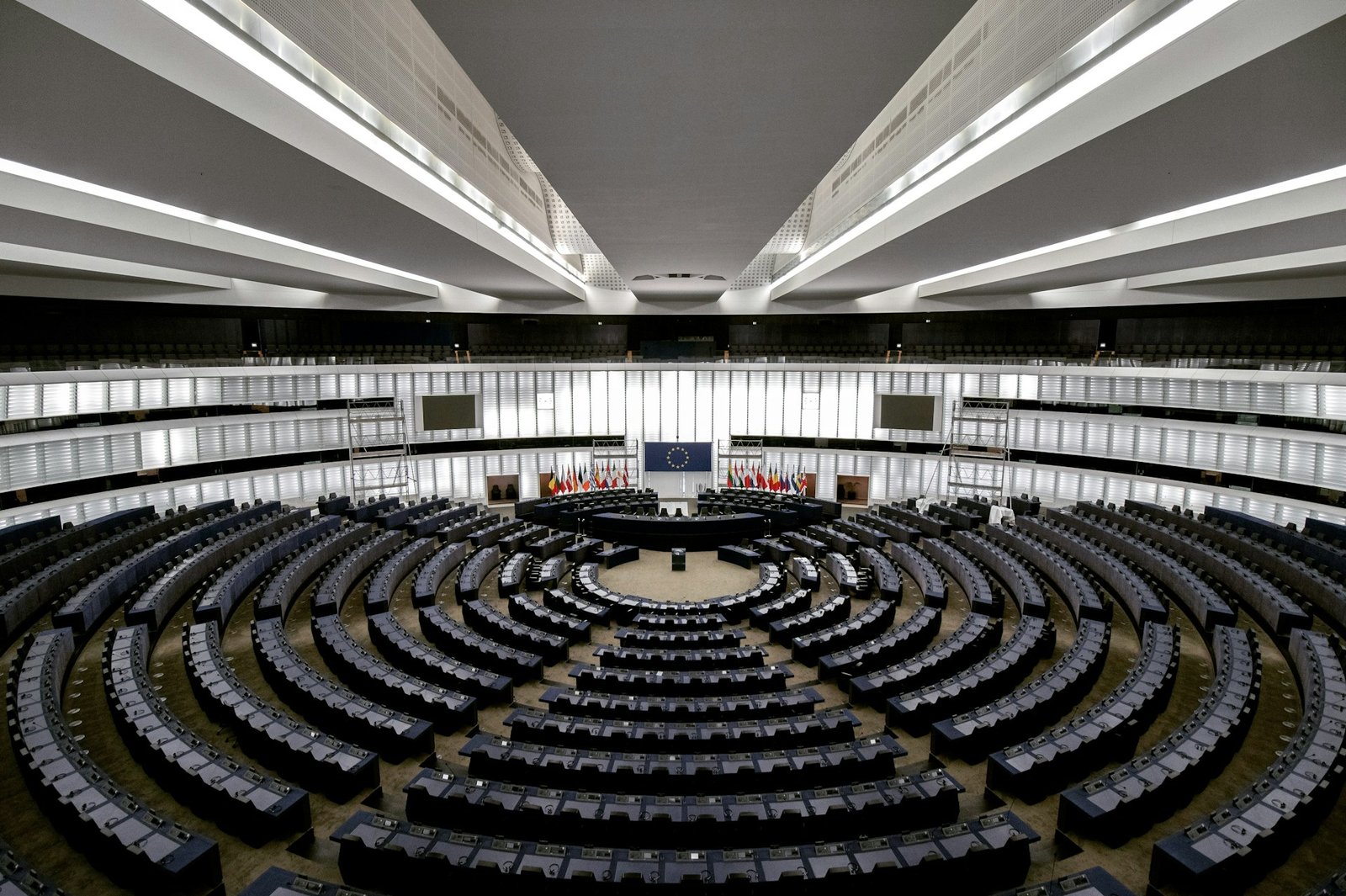
The European Parliament has voted overwhelmingly to transform EU competition policy into a tool for strategic sovereignty. Drafted by French MEP Stéphanie Yon-Courtin and passed by a 501-to-61 margin, the annual report demands aggressive antitrust enforcement targeting foreign tech giants while intentionally smoothing the path for domestic industrial “champions”.
The report’s most radical proposal takes aim at the European Commission itself. Lawmakers recommend evaluating whether competition powers should be stripped from the political executive and handed to a completely independent European Competition Authority. According to Yon-Courtin, insulation is necessary to shield market decisions from diplomatic pressure, ensuring a regulator that won’t blink when foreign leaders attempt to intervene.
To rein in Silicon Valley gatekeepers, the text calls for faster deployment of the Digital Markets Act (DMA). Slamming current enforcement as suboptimal, MEPs introduced a “DMA fee”—a regulatory levy charged directly to dominant tech platforms to fund enforcement teams. Furthermore, Parliament wants the DMA expanded to govern AI models, chatbots, virtual assistants, and connected TV operating systems while using ongoing cloud market probes to dismantle supplier lock-in.
In a departure from traditional consumer-welfare orthodoxies, the report advocates for a relaxed merger control framework to facilitate pan-European corporate consolidation. This shift aims to build the industrial scale needed to rival state-backed American and Chinese enterprises. Concurrently, the text demands zero tolerance for “killer acquisitions” across the digital, AI, and pharmaceutical sectors, where dominant firms buy out nascent innovators to stifle future competition.

Financial sovereignty is similarly prioritized. Taking direct aim at the dual monopoly of Visa and Mastercard, the report urges the rapid conclusion of rolling fee investigations and positions the digital euro as a vital mechanism to reduce systemic over-reliance on foreign payment networks.
Finally, the proposal calls for a new EU-level structural investigation tool to rectify systemic market failures even in the absence of corporate wrongdoing. On the consumer front, lawmakers are targeting public dissatisfaction with mass-market services, seeking an official ban on algorithmic dynamic ticket pricing under the upcoming Digital Fairness Act alongside strict new time limits to prevent antitrust investigations from dragging on indefinitely.