
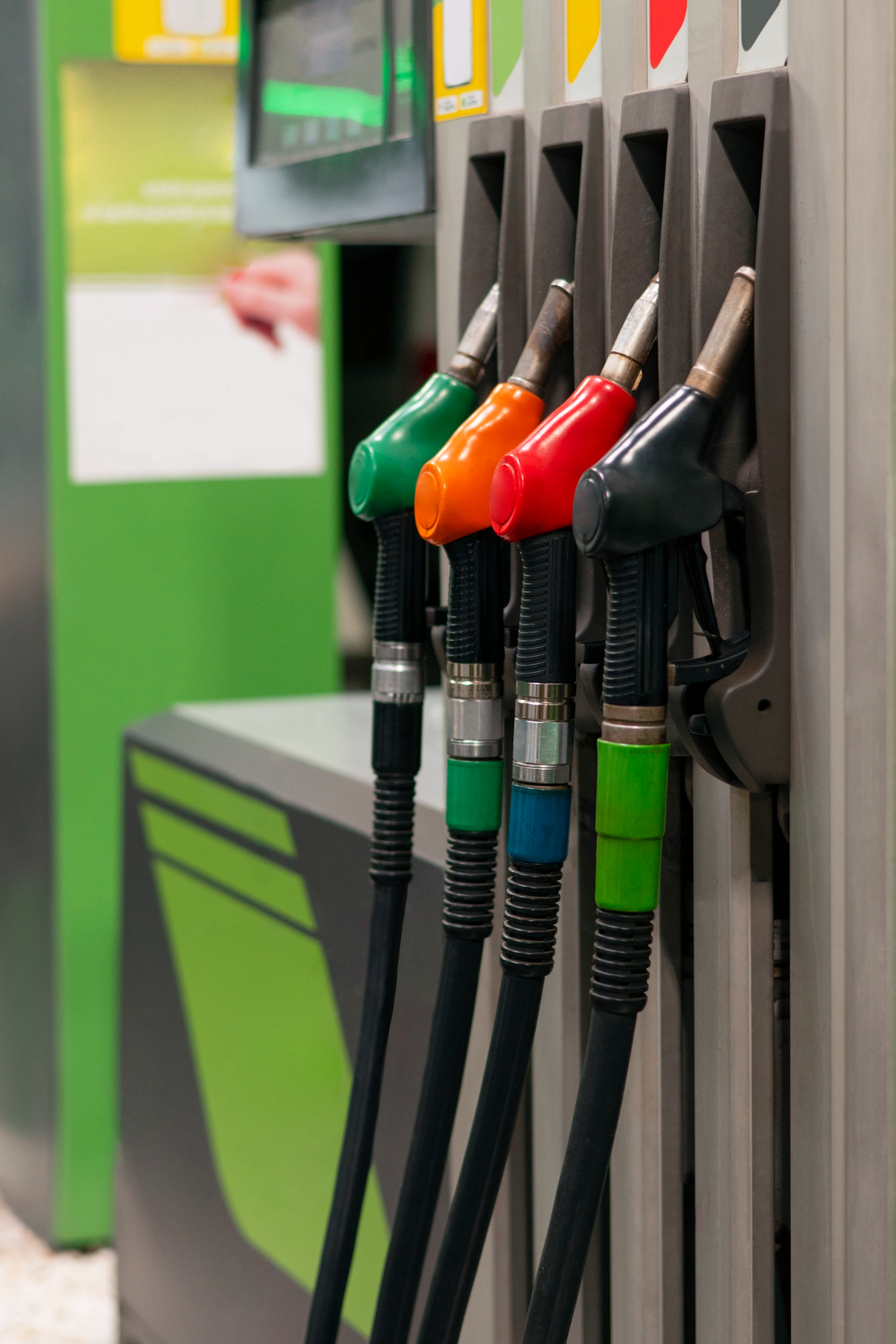
The Spanish National Markets and Competition Commission (CNMC) has officially moved into the next phase of its investigation into the rules that govern where gas stations can be built. This antitrust review focuses on a specific law from 2013 that prevents major fuel companies from expanding their reach in provinces where they already control more than 30% of the market. The regulator is currently analyzing 257 unique responses from across the industry to decide if these strict limits are still helping consumers or if they have become an outdated obstacle.
The feedback gathered by the commission came from a wide variety of voices, ranging from individual gas station owners and large oil associations to consumer groups and private citizens. This diverse input is vital because it helps the CNMC understand how these market caps affect fuel prices on the ground. The core of the debate rests on whether the 30% limit still prevents monopolies as intended, or if the rise of low-cost, automated gas stations has changed the landscape enough to make the rule unnecessary.
Looking ahead, the CNMC will use this data to produce a formal study that could lead to changes in Spanish law. If the regulator finds that the current limits are hindering competition, they may recommend a revision that allows for more flexibility. Conversely, if the evidence shows that the “Big Oil” companies still hold too much power in certain regions, the commission will likely fight to keep the protections in place to ensure that smaller, cheaper competitors aren’t pushed out of the market.
