
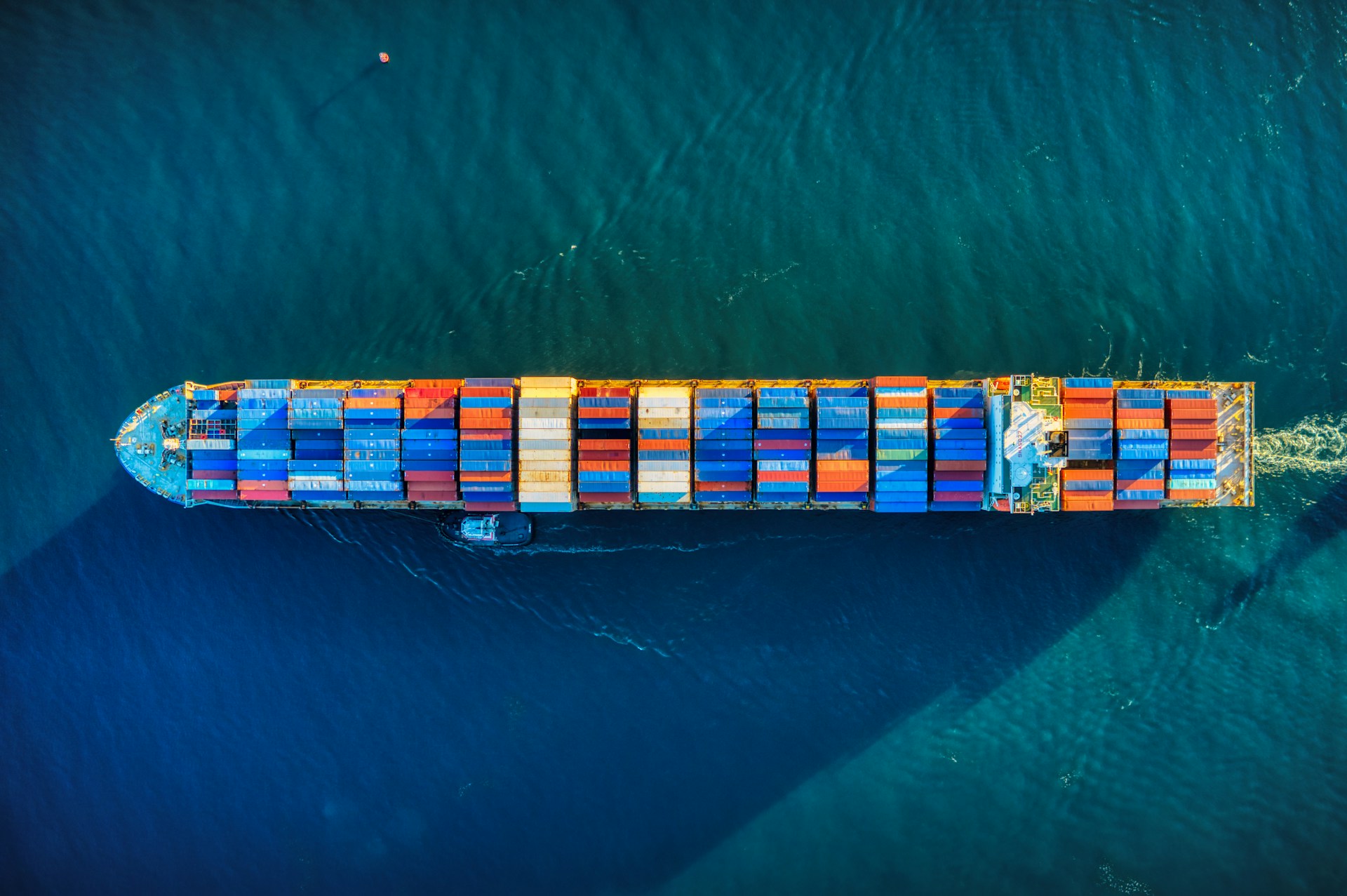
The U.S. Department of Justice has unsealed a major superseding indictment charging four of the world’s largest shipping container manufacturing companies and seven of their executives for running a massive global price-fixing cartel. The federal indictment alleges that China International Marine Containers (CIMC), Singamas Container Holdings, Shanghai Universal Logistics Equipment (Dong Fang), and CXIC Group Containers conspired to artificially restrict production output and double the prices of standard dry shipping containers worldwide.
The multi-year conspiracy spanned from November 2019 to at least January 2024, deliberately exploiting the COVID-19 pandemic and the resulting global supply chain crisis. According to the Antitrust Division, executive and working-level conspirators held illicit meetings to micromanage global container supplies. To ensure strict adherence to their production caps and prevent cheating, the cartel went so far as to install 87 video surveillance cameras across 49 factory production lines, halted the construction of new manufacturing plants, and established a financial penalty fund for non-compliant members.

By holding the global supply of ocean cargo containers hostage when American households and businesses needed them most, the manufacturers saw their profits skyrocket by roughly one hundredfold. For instance, CIMC’s container segment profits surged from $19.8 million USD in 2019 to an astonishing $1.75 billion USD by 2021. Meanwhile, Singamas bounced back from a $110 million USD net loss in 2019 to net profits of $186.8 million USD in 2021.
The legal fallout from the investigation is rapidly unfolding. Vick Nam Hing Ma, the marketing director for Singamas, was arrested by French authorities on April 14, 2026, and currently faces pending extradition to the United States. His six executive co-defendants—including high-level leadership like CIMC Chairman Boliang Mai and Singamas CEO Siong Seng Teo—remain at large.
The defendants stand charged with violating Section 1 of the Sherman Antitrust Act. If convicted, the corporate defendants face initial statutory fines of up to $100 million USD, while the individual executives face up to 10 years in federal prison and $1 million USD in fines. Notably, federal law allows these financial penalties to be increased to twice the total financial gain derived from the crime or twice the losses suffered by victims, potentially driving the final penalties into billions of dollars. The KFTC and U.S. authorities have reaffirmed their commitment to aggressively policing foundational supply chain industries to protect consumer pocketbooks from monopolistic exploitation.