
The European Commission has unconditionally approved, under the EU Merger Regulation, the proposed acquisition of Kellanova by Mars, Incorporated, concluding that the transaction does not raise competition concerns in the European Economic Area (EEA). The decision follows an in-depth Phase II investigation, in which the Commission examined whether the deal would significantly impede effective competition, particularly by strengthening Mars’ bargaining power vis-à-vis retailers.
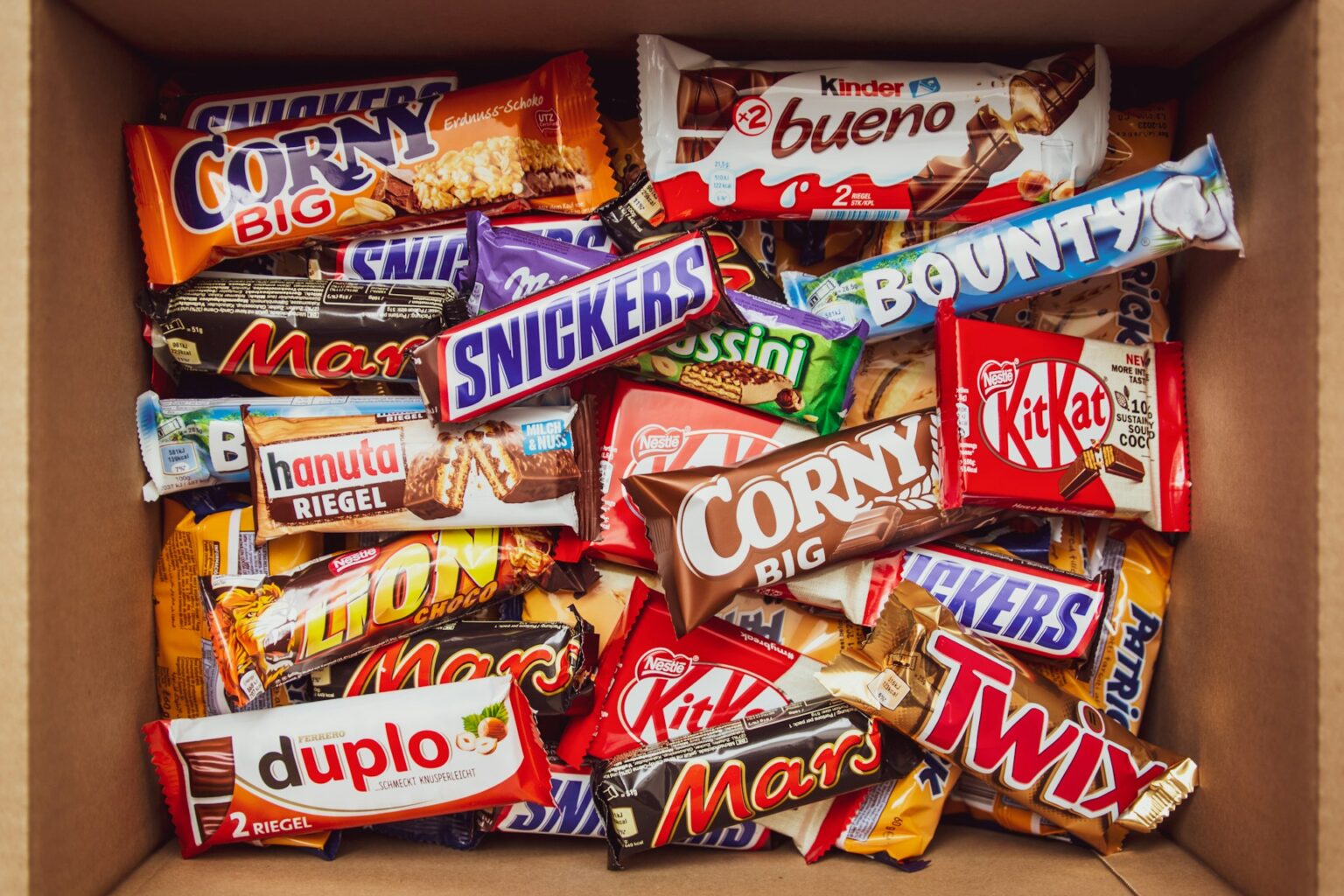
Both companies are globally active food suppliers with well-known brand portfolios. Mars’ range includes confectionery, chewing gum, rice and pet food products, while Kellanova is best known in the EEA for savoury snacks and ready-to-eat cereals, most notably through its stacked chips and cereal brands. The Commission focused its analysis on the risk that adding Kellanova’s brands to Mars’ already broad portfolio could enable the merged entity to exert increased leverage over retailers, potentially leading to higher wholesale prices.
The investigation confirmed that both Mars and Kellanova already enjoy a degree of market power in several product categories across multiple Member States and that the merged entity would have the technical ability to link or bundle different product categories in negotiations with retailers. However, the Commission found no convincing evidence that the transaction would materially increase Mars’ bargaining power. In particular, it concluded that Kellanova’s products are typically long-shelf-life, impulsive and infrequently purchased items that are unlikely to materially strengthen Mars’ position in retailer negotiations. The evidence also did not support the view that consumers would be significantly more likely to switch supermarkets if both companies’ products were unavailable, compared to the absence of each company’s products individually. Furthermore, the Commission found insufficient support for the existence of a so-called “basket effect”, whereby consumers would switch retailers for their entire shopping basket if the combined portfolio were not available.
On the basis of these findings, the Commission determined that the transaction would not lead to a significant impediment of effective competition in the EEA and therefore cleared the deal without conditions.
The transaction was notified to the Commission on 16 May 2025, and an in-depth investigation was opened on 25 June 2025. The assessment was carried out under the EU Merger Regulation, which empowers the Commission to review concentrations involving companies exceeding specified turnover thresholds and to block or condition those that threaten effective competition. Commenting on the decision, Executive Vice-President Teresa Ribera stated that the Commission had carefully examined whether the deal could give Mars additional power over retailers that might translate into higher prices for consumers, but found no evidence of such a risk.