
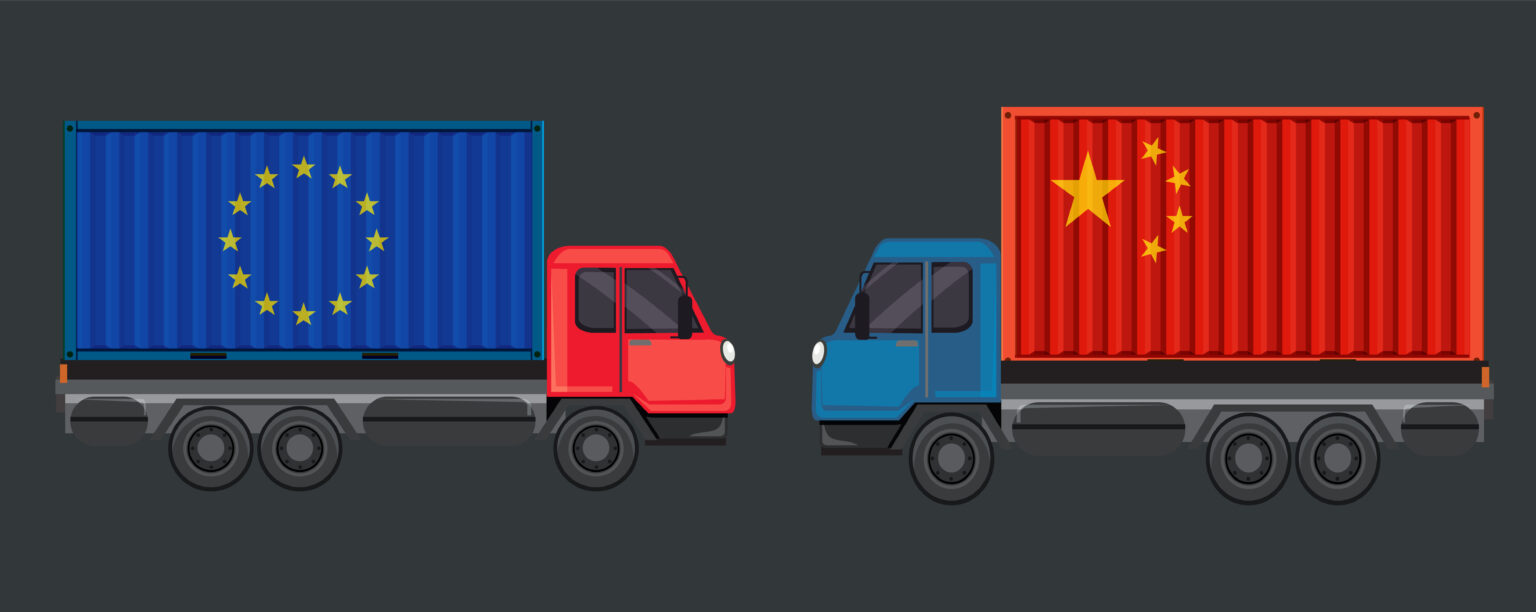
The balance of industrial power between Europe and Asia is approaching a critical tipping point as a powerful coalition of European Union member states demands a fundamental transformation in how Brussels handles trade defense. Ahead of a high-stakes policy debate in Brussels, a leaked joint paper reveals deep institutional anxiety over a flood of heavily subsidized imports that domestic leaders warn could permanently hollow out the continent’s manufacturing core.(Scmp)
The urgency underpinning this political push is supported by staggering new economic data. A recent study by the Centre for European Reform reveals the severe human toll of this shifting trade dynamic, estimating that Germany alone has already lost more than four hundred thousand export-reliant jobs to Chinese competition. This massive labor disruption has shattered the long-held assumption that Europe’s premier manufacturing economy could safely navigate global trade imbalances without suffering domestic structural damage.
According to the joint text, the sheer volume of dumping and unfair subsidy complaints has completely overwhelmed trade officials in Brussels. To counter this administrative bottleneck, the member states are calling for a massive expansion of regulatory departments alongside the deployment of entirely new, rapid-response trade weapons.
Rather than relying solely on traditional anti-dumping investigations—which often drag on for months while domestic factories shutter—the coalition is pushing for emergency safeguard measures that can be triggered almost instantly to freeze sudden import surges.
Most significantly, the proposal introduces a highly aggressive shift toward company-level countervailing duties. Instead of penalizing an entire country or a broad category of goods, the EU would directly target individual corporate entities. This specific mechanism is engineered to dismantle the global network of subsidiaries that major international firms frequently use to mask their operations. Backed by tougher anti-circumvention rules, this framework would prevent companies hit by European tariffs from simply rerouting their inventory through third-party nations to evade duties.
Ultimately, the joint paper signals a permanent departure from traditional, open-market orthodoxy in favor of a strictly defensive economic security mindset. European leaders are openly warning that the growing imbalance in the marketplace poses a direct threat to the continent’s critical industrial capacity and strategic sectors. As Brussels prepares to debate its next geopolitical moves, the message from its largest economies is clear: Europe must either rapidly harden its trade defenses or risk watching its foundational industries slip away entirely.