
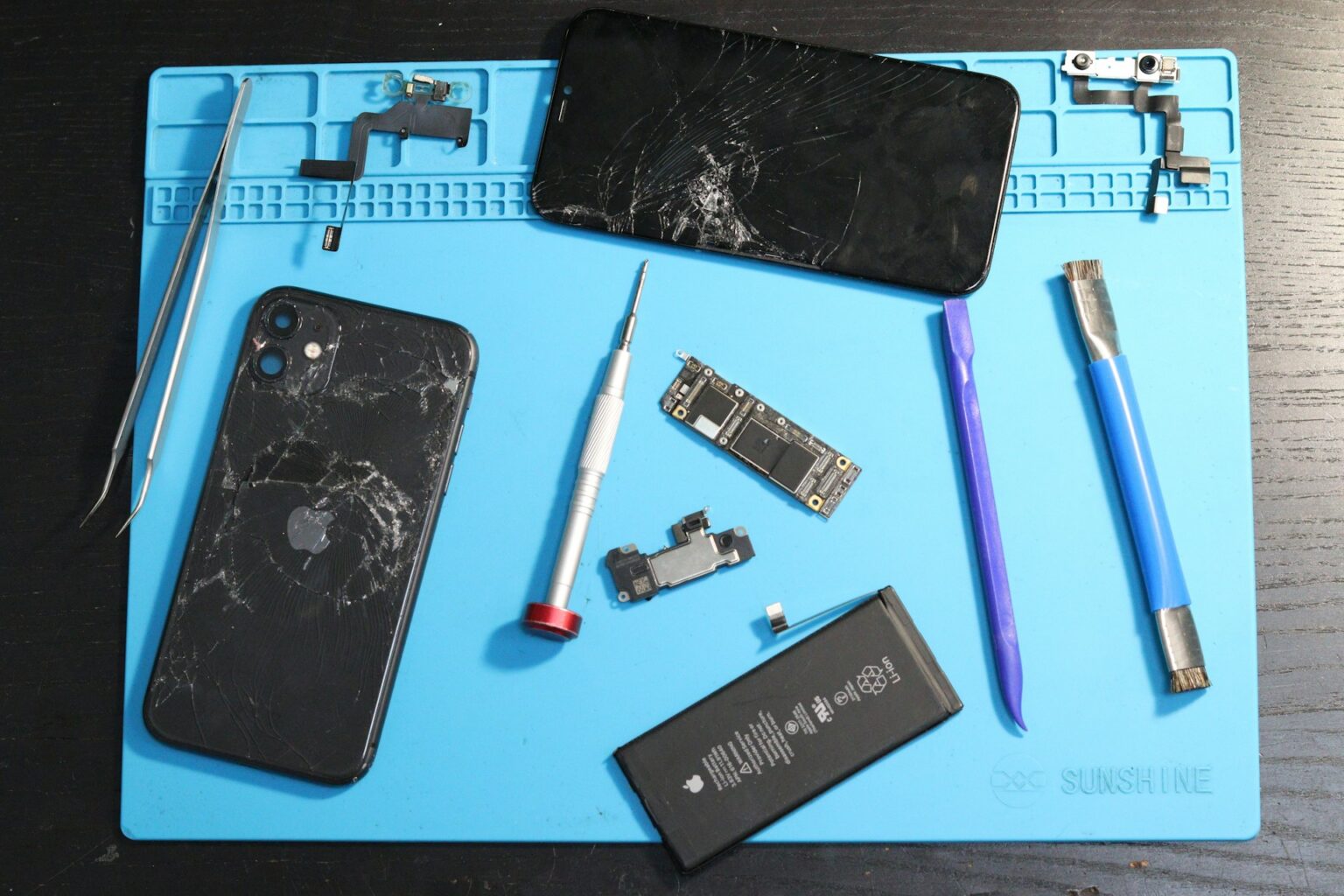
The Danish Competition Council has accepted commitments from Apple that are expected to reduce iPhone repair costs and expand repair options for consumers and businesses in Denmark. Apple has pledged not to introduce artificial barriers to iPhone repairs, a step aimed at increasing competition in the local repair market.
Christian Schultz, Chairman of the Danish Competition Council, stated that the commitments will significantly affect competition for iPhone repairs in Denmark. He noted that consumers and businesses may benefit from lower repair costs and increased repair options, while independent repairers—previously without direct access to Apple’s parts and software—will gain new business opportunities.
The commitments address concerns that Apple may have previously allowed higher prices for spare parts, influenced consumers to replace rather than repair devices, and restricted non-Apple affiliated repairers from fully restoring iPhone functionality. Until now, repairs conducted without Apple’s new parts or software could result in certain phone functions being disabled and display messages indicating that an unknown part was used.
Under the commitments, Apple will:
- Refrain from introducing artificial obstacles to repairs, regardless of whether new, used, original, or non-original parts are used and irrespective of the repairer performing the work.
- Ensure that spare parts achieve full functionality, independent of the type of part or the repairer.
- Display only objective, factual, and non-discriminatory repair notifications following repairs.
These measures are expected to strengthen independent repairers’ access to the Danish iPhone market, enhance consumer choice, and potentially make repairing an iPhone a more attractive option than purchasing a new device.
The Danish Competition Council emphasized that it has not concluded that Apple violated competition rules. While EU competition authorities frequently handle cases against large tech companies, national authorities can also take action. In this case, the widespread use of iPhones in Denmark was a key factor in the Council’s decision to pursue the commitments.