
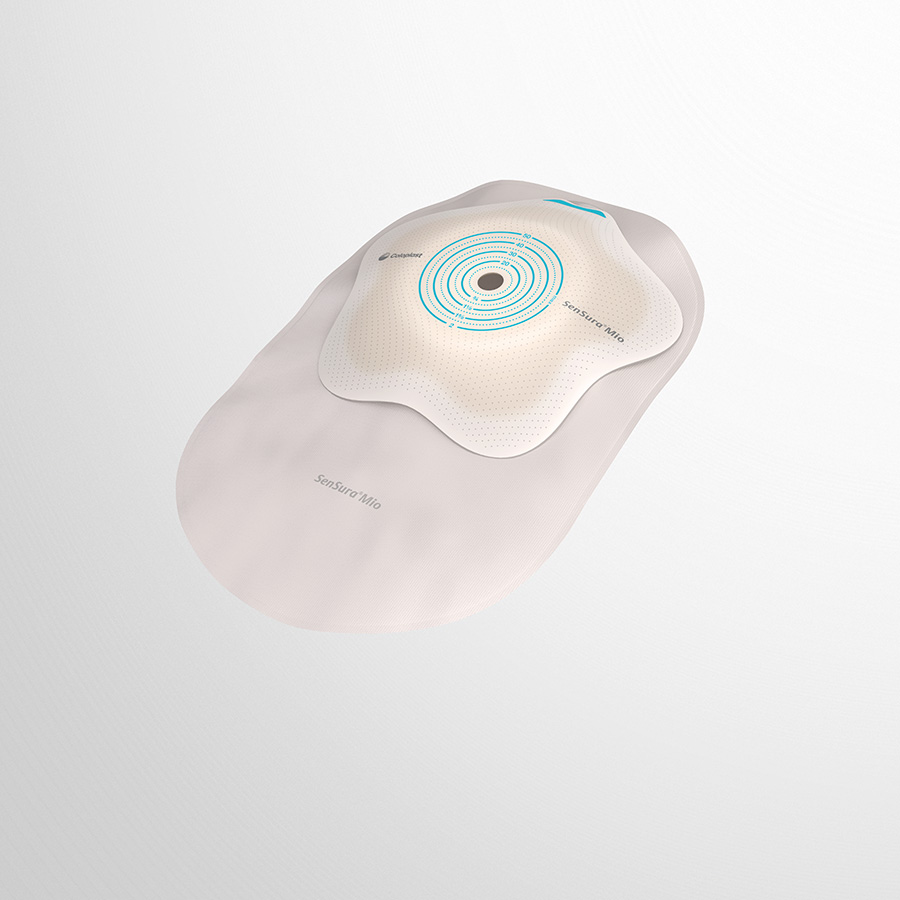
The Danish Competition Appeals Board has confirmed that Coloplast Danmark A/S abused its dominant position in the market for ostomy care products in Denmark. By upholding the earlier decision adopted in 2025 by the Danish Competition Council, the Appeals Board has validated the authority’s findings that the company engaged in conduct designed to exclude competing wholesalers from municipal procurement processes for ostomy supplies.
According to the Danish competition authority, the decision brings an end to practices that could have significantly harmed competition and increased costs for public purchasers. Jakob Hald, Director of the Danish Competition and Consumer Authority, emphasized that the ruling prevents a scenario in which Danish municipalities might ultimately have faced substantially higher prices for ostomy care products. Although the case concerns a highly specialized healthcare market, it carries significant implications for municipal budgets and procurement practices. Municipalities are legally required to provide a broad range of ostomy aids to patients, and the disappearance of effective competition among wholesalers could have made this obligation considerably more expensive.
The market for ostomy products has structural characteristics that make it particularly sensitive to restrictions of competition. Patients typically begin using a specific ostomy product during hospital treatment, where medical professionals select the most appropriate device based on factors such as body profile, skin condition, and activity level. Once patients are discharged, they usually continue using the same product. At that stage, however, responsibility for purchasing the products shifts from hospitals to municipalities. Because municipalities must ensure that patients continue to receive the products that suit them medically, procurement tenders must include a broad range of manufacturers’ products, including those produced by Coloplast.
This structure has given Coloplast’s products a particularly strong position in the downstream market. In Denmark, Coloplast ostomy devices account for more than half of the products used by patients. As a result, wholesalers seeking to participate in municipal tenders are effectively required to include Coloplast products in their portfolios. Without access to these products, competing wholesalers would find it practically impossible to win contracts to supply municipalities.
The proceedings before the Appeals Board focused on three key legal questions. First, whether the Competition Council had correctly defined the relevant markets. Second, whether Coloplast Danmark held a dominant position in those markets. Third, whether the company had abused that position through a practice known as a margin squeeze. The Appeals Board concluded that the Competition Council’s analysis was sound. In particular, it confirmed that the relevant upstream market could be defined as a brand-specific market for the wholesale supply of Coloplast ostomy products to distributors. Within this market, Coloplast Danmark was found to hold a dominant position.
The Appeals Board also agreed with the Competition Council that Coloplast had abused its dominance by implementing a margin squeeze. Margin squeeze occurs when a vertically integrated dominant company sets the price of its upstream products and its downstream services in such a way that competing downstream firms cannot compete profitably. By narrowing or eliminating the margin available to independent wholesalers, the dominant firm can effectively force them out of the market even without explicitly refusing to supply them.
The conduct at issue occurred after Coloplast entered the wholesale market itself in 2019. The company partnered with the firm Abena to form a consortium that participated directly in municipal tenders for the supply of ostomy care products. Between 2020 and 2022, Coloplast Danmark supplied its own products to this consortium at prices significantly lower than those charged to competing wholesalers. Those competitors depended on access to Coloplast products in order to participate in municipal tenders, yet they were required to purchase the same products at higher prices. As a result, they faced a structural cost disadvantage when bidding against the Coloplast-Abena consortium.
According to the competition authority, this pricing structure undermined fair competition among wholesalers. Because municipal tenders require suppliers to offer a comprehensive range of ostomy products together with related services—such as patient advice and home visits—wholesalers lacking access to competitively priced Coloplast products were effectively excluded from meaningful participation in the tender process.
With the Appeals Board’s ruling, the injunction issued by the Competition Council in January 2025 remains fully in force. The order requires Coloplast Danmark to refrain from engaging in margin squeeze practices in connection with both the sale of ostomy products to wholesalers and the supply of ostomy products and related services to municipalities in Denmark.
The case is not yet fully concluded. The Danish Competition and Consumer Authority has indicated that it will continue the proceedings with a view to imposing financial penalties for the infringement of the Danish competition rules prohibiting the abuse of a dominant position. Under Danish law, both companies and individuals may be fined if they violate these provisions.