
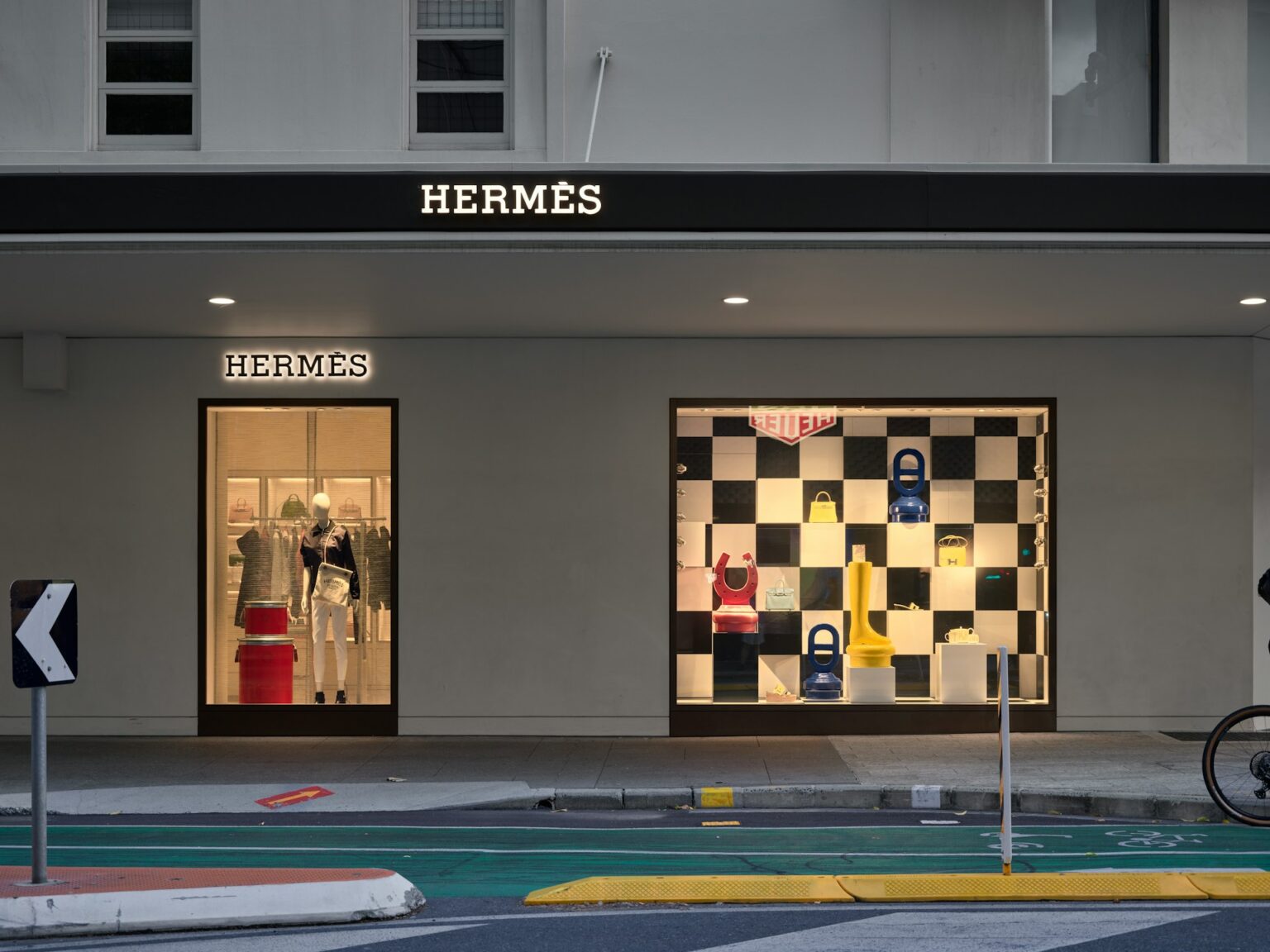
The legal controversy surrounding the exclusivity of the Hermès Birkin handbag has shifted to the U.S. Court of Appeals for the 9th Circuit as a group of shoppers seeks to revive a dismissed class-action lawsuit. The plaintiffs argue that the French fashion house employs an illegal “tying” strategy by requiring customers to purchase thousands of dollars in secondary goods before being permitted to buy the iconic handbag. This appeal challenges a previous dismissal, asserting that the lower court utilized an incorrect legal standard to evaluate the brand’s sophisticated sales tactics.(Reuters)
The heart of the plaintiffs’ argument rests on federal antitrust laws designed to prevent companies from leveraging the dominance of one product to force the sale of another. According to the court filing, Hermès conditions access to the Birkin—a product with immense market power and no direct substitute—on the acquisition of “ancillary” items such as footwear, belts, and jewelry. The consumers contend that this arrangement effectively stifles competition, as it compels shoppers to buy luxury goods from Hermès that they might have otherwise preferred to source from rival brands.
The progression to the appellate level follows a decision by U.S. District Judge James Donato in San Francisco, who sided with the luxury house last year. Hermès has consistently maintained that its sales practices are part of a competitive marketplace and that the brand has the right to manage its handmade, limited-supply inventory as it sees fit. During previous hearings, the court suggested that the brand’s choice to limit production or set high prices was a legitimate business prerogative rather than a violation of trade laws.
However, the consumers’ latest filing faults the district judge for failing to recognize their specific definition of the “elite luxury handbag” market. They argue that by viewing the Birkin as part of a broad, general market rather than a unique category with singular market power, the court reached a flawed conclusion. Furthermore, the appeal asserts that the judge demanded a level of evidentiary proof during the early stages of the case that should typically be reserved for a full trial, thereby prematurely ending a valid legal challenge.
The outcome of this case, currently known as Cavalleri v. Hermès International, carries significant implications for the broader luxury industry. Many high-end brands utilize “clienteling” models that prioritize long-term, high-spending customers for their most coveted items. If the 9th Circuit decides to reinstate the lawsuit, it could force a fundamental reassessment of how luxury houses manage scarcity and customer relationships without running afoul of American antitrust regulations.