
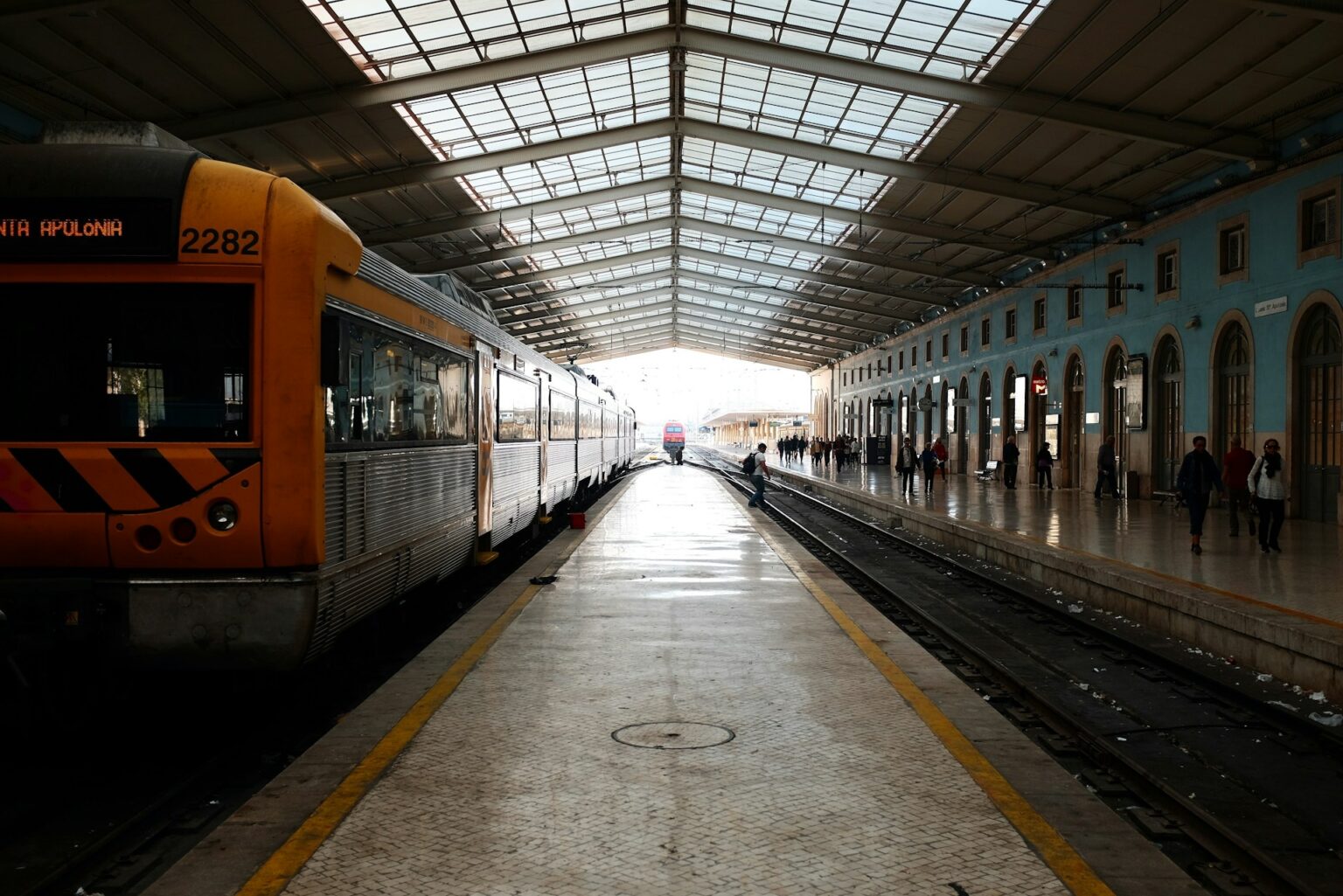
The Portuguese Competition Authority (AdC) has released a comprehensive preliminary study titled “Competition in the passenger and freight rail transport sector in Portugal,“ signaling a pivotal moment for the nation’s infrastructure. The report identifies systemic constraints hindering effective market entry and outlines 14 strategic recommendations aimed at the Government, Infraestruturas de Portugal (IP), and the Mobility and Transport Authority (AMT) to foster a more competitive landscape.
Entrenched Barriers in Passenger Transport
The AdC’s analysis concludes that significant hurdles remain, particularly within the passenger rail segment. A primary concern is the lack of “competition for the market”—the process where operators bid for public service contracts through open, international tenders.
Currently, the market is characterized by long-term direct awards and extensions. The AdC specifically argues that the announced extension of the public service contract for CP – Comboios de Portugal should be strictly limited to the timeframe necessary to amortize recent investments. Furthermore, the Authority recommends that the long-standing contract with Fertagus (dating back to 1999) should not be extended again, paving the way for a competitive tender process.
Technical and Structural Bottlenecks
Beyond contractual issues, the study highlights “essential factor” obstacles that make it nearly impossible for new players to enter the Portuguese market. These include:
- Rolling Stock & Human Resources: The difficulty in acquiring or leasing trains and the scarcity of qualified personnel act as a deterrent to private investment.
- Technical Specificities: The Portuguese network relies on the Iberian gauge and the CONVEL signaling system. These unique technical requirements mean that standard European rolling stock cannot be used without expensive modifications, effectively isolating the Portuguese market.
- Ticketing Transparency: The AdC emphasizes the need for non-discriminatory access to ticketing information for third-party platforms to ensure passengers can compare prices and services across different operators.
A Roadmap for Reform
To address these challenges, the AdC has proposed a “Railway Sector Code” to streamline regulation. Key recommendations include:
- For the Government: Limiting contract extensions, ensuring non-discriminatory access to rolling stock, and facilitating the mobility of qualified workers within the sector.
- For Infraestruturas de Portugal (IP): Improving capacity allocation criteria to ensure that “slots” on the tracks are distributed fairly between the incumbent and new entrants.
- For Operators: Adopting best practices in third-party ticketing and equipment procurement.
The AdC underlines that liberalization is not merely a legal requirement of the European Union but a proven driver of consumer benefits. Evidence from other Member States shows that increased competition leads to lower ticket prices, higher frequency of service, and accelerated innovation.
Public Consultation Period
The preliminary version of the study is now open for public consultation. Stakeholders and interested parties have 20 working days, until March 30, 2026, to submit their comments and technical contributions to the Authority via consultapublica@concorrencia.pt.
This study arrives at a critical juncture as Portugal prepares for massive investments in high-speed rail, and its final version will likely serve as the regulatory blueprint for the next decade of Portuguese transport policy.