
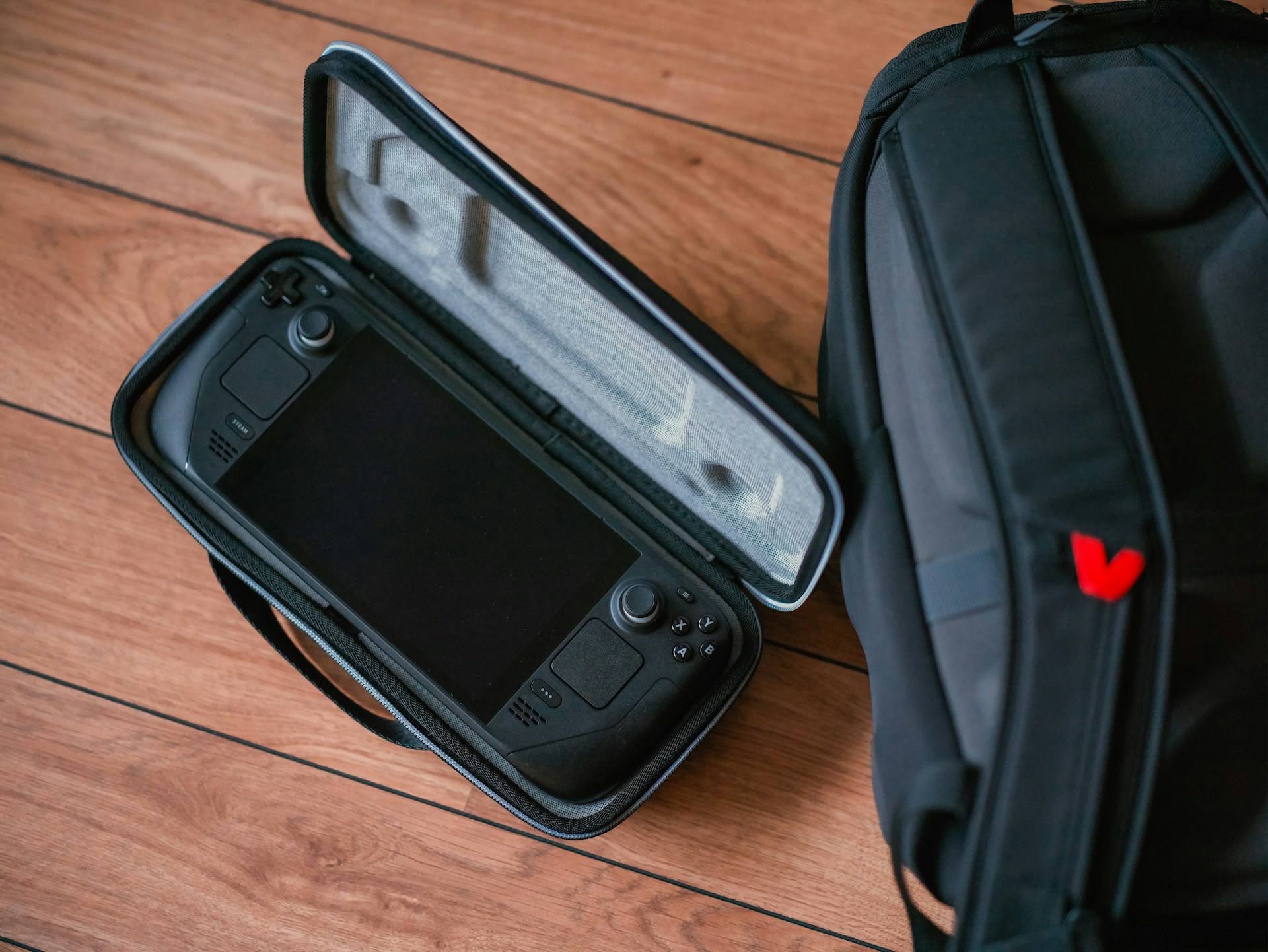
The digital storefronts powering PC gaming are facing fresh legal scrutiny. A newly filed lawsuit in a Washington state court alleges that Microsoft and Valve have actively colluded to stifle competition and keep game prices artificially high. The proposed class action, brought forward by gamers Max Rockman and Randall Moring, claims that Microsoft essentially accepts kickback deals from Valve in exchange for agreeing not to compete aggressively with Valve’s dominant Steam platform.(aftermath)
According to the complaint, this lack of genuine competition creates an unfair burden on everyday consumers, forcing them to pay higher prices for games while suffering from reduced quality and fewer choices. The plaintiffs argue that Steam could not have maintained its massive decade-long market dominance without the active cooperation of the industry’s biggest publishers, pointing directly to Microsoft as a primary collaborator.

A central piece of the plaintiffs’ argument rests on internal Microsoft communications unearthed in separate, ongoing antitrust litigation against Valve. The lawsuit highlights a 2024 expert report featuring emails between Microsoft employees discussing Steam’s strict “price parity” demands. One email suggests that while Microsoft could theoretically price its games freely before putting them on Steam, the tech giant was forced to match that pricing across all other digital channels—including its own Windows Store—the moment the game launched on Valve’s platform. Another internal email cited in the complaint claims that Valve’s price-parity requirements are explicitly addressed in person rather than being formally listed in public Steamworks documentation.
The plaintiffs argue that these alleged restrictions effectively form an illegal cartel under the Sherman Act. By forcing Microsoft to match its own Windows Store prices to Steam’s pricing, the agreement allegedly prevents Microsoft from undercutting Valve, locking consumers into a non-competitive pricing ecosystem. While the complaint relies heavily on these interpreted emails, it notably does not yet provide direct evidence proving the physical “kickback” payments it accuses the companies of exchanging.
This legal challenge represents the latest chapter in a broader, ongoing wave of antitrust pushback against Valve’s 30% revenue cut and distribution policies. The legal firm representing the plaintiffs has a history of mass arbitration attempts against Valve, which previously led to retaliatory lawsuits and the subsequent removal of forced arbitration clauses from Steam’s user agreements. By seeking class-action status, Rockman and Moring hope to open the doors for other affected PC gamers to join the suit, aiming to force a structural shift in how major publishers and storefronts dictate digital game pricing.