
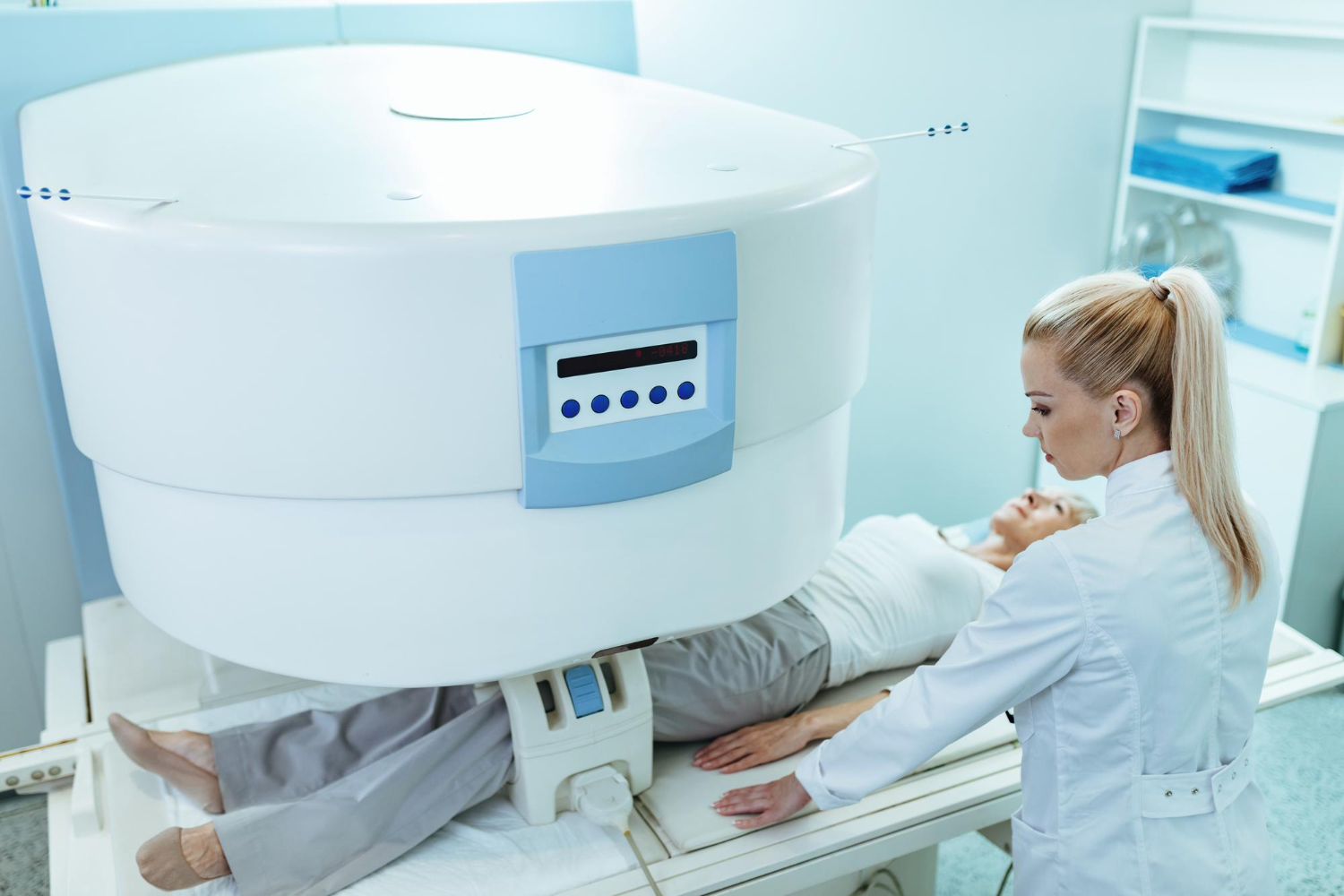
The Romanian Competition Council has issued major antitrust fines totaling 6.42 million lei, equivalent to approximately 1.27 million euros, against five international and domestic healthcare companies. The antitrust regulator sanctioned the businesses following an investigation that uncovered an illegal market-allocation and price-restricting cartel operating within the Romanian medical imaging equipment sector.
The antitrust enforcement action targeted the Italian medical manufacturing group Esaote SpA alongside its Dutch subsidiary, Esaote Europe BV. The competition watchdog also penalized three of the brand’s authorized regional distributors, which include the Romanian firm DTL Medical SRL, as well as two distinct German companies, Camed Medical Systems GmbH and BMS Ultraschall.
An intensive probe by the competition authority revealed that the manufacturing group and its distribution network colluded systematically between 2020 and 2022 to artificially restrict the sale of Esaote-branded diagnostic imaging equipment inside Romania. By structuring anti-competitive distribution contracts and coordinating their commercial behavior, the five entities actively blocked parallel trade moving both into and out of the country. This coordinated strategy effectively isolated the Romanian national territory from the broader, competitive European Union internal market.
The anticompetitive mechanics relied on blocking passive sales across borders. Under the illegal arrangement, the German distributors Camed Medical Systems and BMS Ultraschall were barred from fulfilling unsolicited purchasing requests originating from healthcare providers inside Romania. Simultaneously, the domestic distributor, DTL Medical, was prohibited from selling equipment to international buyers outside Romanian borders. This strategic division of geographic markets insulated the domestic sector from outside commerce, completely neutralizing healthy intra-brand competition for high-value diagnostic devices like ultrasound systems and magnetic resonance imaging scanners.

By carving up geographical boundaries and wiping out cross-border alternatives, the cartel successfully limited competition and maintained tight control over equipment pricing. The Competition Council noted that these types of restrictive agreements heavily impact public institutions such as state hospitals and clinics. By eliminating competitive alternatives, the cartel reduced the ability of medical facilities to secure lower procurement prices and broader equipment options through open public tenders, ultimately squeezing public healthcare budgets.
Under Romanian competition law, all forms of concerted practices that distort market dynamics, control distribution channels, or limit technical investments remain strictly illegal. The financial penalties handed down by the Competition Council are immediately enforceable, with the National Agency for Fiscal Administration tasked with collecting the cash to inject directly into the national state budget.