
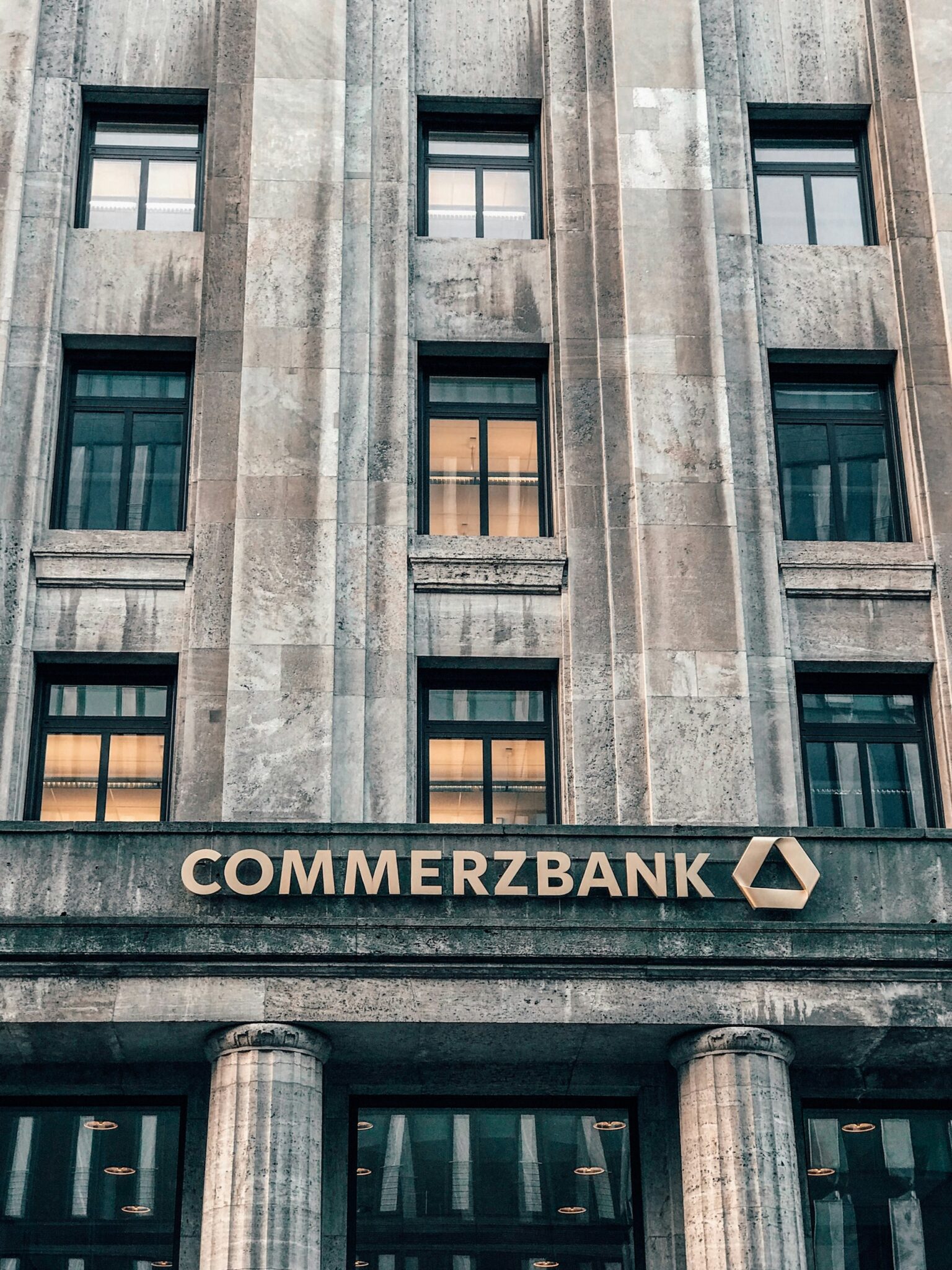
Commerzbank has formally rejected a roughly €39 billion voluntary public takeover offer from UniCredit. The German lender’s Board of Managing Directors and Supervisory Board issued a joint reasoned statement firmly advising shareholders not to tender their shares to the Italian bank. Executive leadership characterized the unsolicited exchange offer as an opportunistic attempt to acquire control that significantly undervalues Commerzbank and presents a vague, highly speculative restructuring proposal rather than a credible partnership.
Central to Commerzbank’s rejection is the argument that UniCredit’s offer provides no adequate premium and fails to reflect the bank’s fundamental worth and long-term upside potential. The implied offer value of €34.56 has consistently trailed below Commerzbank’s actual market trading price, which closed at €36.48 just prior to the board’s announcement. Furthermore, independent equity research analysts place the median target price for the stock at approximately €41.50. Leadership emphasized that the proposal relies strictly on statutory minimum considerations, meaning shareholders would be shortchanged while UniCredit gains control without offering proper compensation.
Chief Executive Officer Bettina Orlopp sharply criticized the strategic rationale of the Italian lender, noting that the proposal heavily underestimates revenue losses and overestimates cost-saving synergies. Management warned that UniCredit’s plans involve severe risks, including complex IT integration challenges, substantial headcount reductions, and a dismantling of Commerzbank’s international network. Such moves would heavily damage relationships with the export-oriented German Mittelstand corporate clients, permanently weakening the bank’s market position. Additionally, because the deal is structured as a share exchange, accepting shareholders would be forced to absorb these operational vulnerabilities as future UniCredit investors, with settlement potentially delayed until July 2027.
Commerzbank is countering the takeover bid by championing its standalone growth strategy, dubbed “Momentum 2030.” Following record financial results in 2025 and a strong start to 2026, the bank aims to leverage artificial intelligence to boost profitability while maintaining low implementation risks. The strategy outlines ambitious financial targets for 2030, including raising revenues to €16.8 billion, boosting net profit to €5.9 billion, and achieving a 21 percent net return on tangible equity. To incentivize investors to remain independent, Commerzbank plans to return approximately half of its current market capitalization to shareholders via aggressive dividends and stock buybacks, maintaining a 100 percent payout ratio until it reaches its core capital target.

While Andrea Orcel, Chief Executive of UniCredit, faces severe resistance in Frankfurt, his aggressive broader investment strategy has yielded immediate financial benefits for the Milan-based institution. UniCredit’s dividend income for the first three months of the year tripled to €408 million, fueled by strategic stakebuilding in rival European lenders like Commerzbank, Greece’s Alpha Bank, and the insurer Generali. Concurrently, UniCredit has made strides in derisking its footprint by striking a deal to sell a portion of its Russian business to a private investor in the United Arab Emirates, answering prolonged regulatory pressure to accelerate its exit from the country.
Although Commerzbank leadership remains open to dialogue if UniCredit significantly improves its financial terms and respects the current corporate model, the board maintains that the standalone path offers far superior and more predictable value. For now, the German lender’s leadership stands united in its message to the market: the current offer carries too much risk and far too little reward for shareholders to abandon the bank’s independent momentum.