
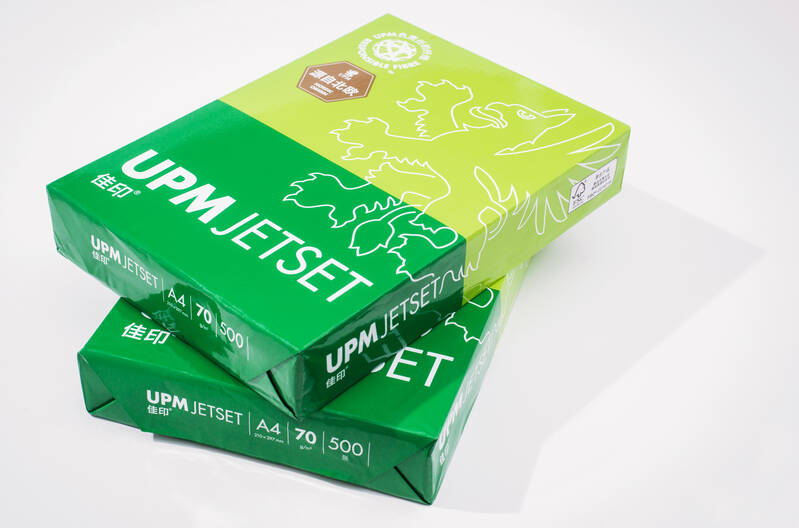
The European Commission has opened an in-depth Phase II investigation into the proposed joint venture between UPM-Kymmene Corporation and Sappi Limited, citing concerns that the deal could highly reduce competition in several paper markets across the European Economic Area.
The transaction would combine UPM’s communication paper operations in Europe and the United States with Sappi’s European communication paper business, parts of its specialty paper activities, and related upstream assets such as pulp production and energy generation. If approved, the joint venture would become the leading supplier of communication paper in the EEA.
The Commission’s preliminary assessment suggests the deal may substantially lessen competition in the markets for coated mechanical paper and wood free coated paper, two key categories of magazine and fine paper used in publications, books, and office printing. According to the Commission, UPM and Sappi are not only two of the largest suppliers in these markets but also each other’s closest competitors. Their combination would place a significant share of EEA production capacity under one roof, potentially enabling the joint venture to reduce output, raise prices, or lower product quality without effective competitive constraints from rivals.
Beyond communication paper, the Commission is also scrutinizing the transaction’s impact in specialty paper markets. In particular, it is assessing whether the deal could reduce competition in coated-one-side face material, an important input used in labels and self-adhesive products. Because both UPM and Sappi would remain active in this segment outside the joint venture, the Commission will examine whether the structure could facilitate coordination between the parties post-transaction.
A further concern relates to pressure-sensitive labels, where UPM remains active downstream. Since these labels rely on coated-one-side face material as a key input, the Commission will investigate whether the joint venture could restrict rival label producers’ access to that material, potentially foreclosing competition.
The companies argue that the transaction would generate efficiencies, including cost savings, environmental benefits, and greater resilience for Europe’s paper industry amid structural market pressures. The Commission will test whether those claimed benefits are merger-specific and sufficient to offset the competitive harm identified.
The deal was formally notified on 19 March 2026. The Commission now has until 26 October 2026 to issue a final decision. As always, the launch of a Phase II investigation does not prejudge the outcome, but it signals that Brussels sees the transaction as raising serious substantive concerns.