
The President of Urząd Ochrony Konkurencji i Konsumentów (UOKiK), Tomasz Chróstny, has imposed fines totaling over PLN 1.5 million (€350,000) on fruit procurement companies and an individual manager for participating a price-fixing cartel that harmed farmers in the Wielkopolska region.
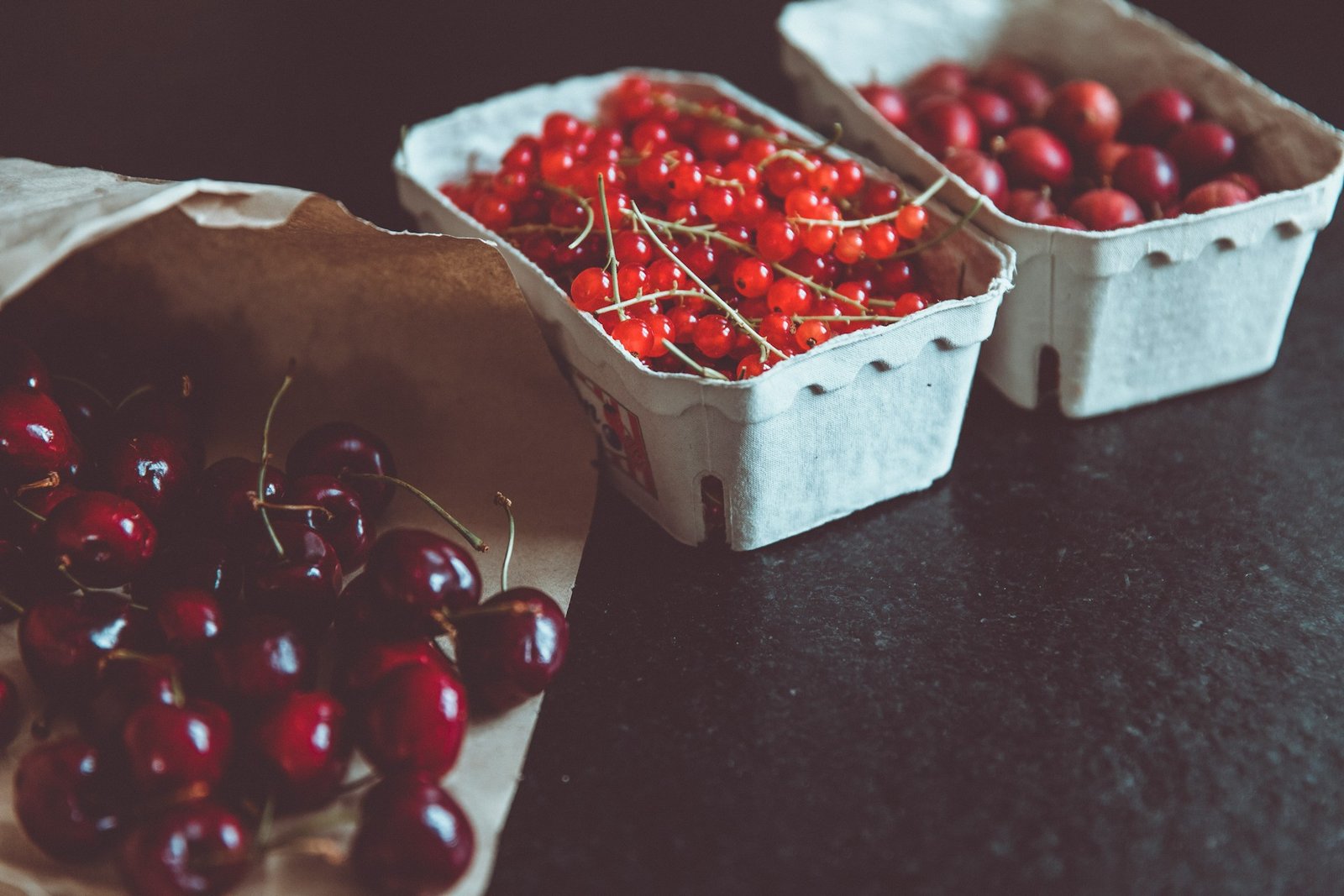
Between 2022 and 2024, growers in the Konin area faced consistently low purchase prices for fruits such as cherries and currants. Higher prices were available elsewhere, but transport costs made switching buyers unprofitable. UOKiK found that this was the result of a coordinated agreement among five companies—Fructis, Damex, Silver-Trans, Kam-Pol, and Kalbrok—which exchanged pricing information and aligned their offers throughout the harvest seasons.
“The aim of the collusion was to set fruit purchase prices at the lowest possible level,” said Chróstny, noting that farmers “received reduced compensation for their hard work over three consecutive seasons.”
Key evidence came from internal messages obtained during a raid at Fructis. These showed regular communication on pricing and a shared desire to avoid competition. In one exchange, a participant admitted: “I can compete on price, but it’s unhealthy for all of us.” In another, daily prices were openly shared between competitors.
UOKiK concluded that the conduct constituted a serious breach of competition law. The highest fines were imposed on Damex and Kam-Pol, while the president of Fructis was also personally sanctioned. The decision is not yet final and may be appealed.
The authority emphasized that while similar pricing can result from lawful market behavior, explicit coordination between competitors is illegal. It also highlighted that affected farmers may seek damages through civil courts under Poland’s private enforcement regime.
The case reflects UOKiK’s ongoing focus on protecting agricultural markets and signals continued scrutiny of potential collusion across the supply chain.