
The Korea Fair Trade Commission (KFTC) has initiated formal deliberations in a major cartel investigation involving four manufacturers and sellers of starch sugar, following the submission of an examination report detailing alleged long-running price-fixing practices in the sector.
According to an official statement released on 6 March, the KFTC Secretariat sent the examination report to four companies—Daesang, Sajo CPK, Samyang Corporation and CJ CheilJedang—and simultaneously submitted the report to the Commission for review on 5 March, thereby initiating the formal deliberation process. The case is being handled by the Commission’s Manufacturing Cartel Investigation Department.
The examination report outlines the investigator’s findings regarding the facts of the conduct, its alleged illegality and the appropriate sanctions. However, the KFTC emphasized that the report “contains the reviewer’s findings of illegality and recommendations for appropriate action during the investigation” and “does not bind the committee’s final decision,” which will be determined only after an independent review by the Commission.
The alleged collusion came to light during a broader investigation into price-fixing among sugar producers. During that inquiry, investigators identified suspicious conduct related to starch sugar, prompting a follow-up probe that lasted 142 days, from October 2025 to early March 2026. The KFTC stated that, through “persistent and tenacious follow-up investigation,” officials uncovered what they described as organized collusion among starch sugar manufacturers and distributors.
Investigators concluded that the companies had repeatedly coordinated the selling price of starch sugar products over a prolonged period—from May 2018 to October 2025—amounting to seven and a half years of alleged cartel activity. The authority estimates that the collusion affected approximately 6.2 trillion won (around €4 billion) in related sales.
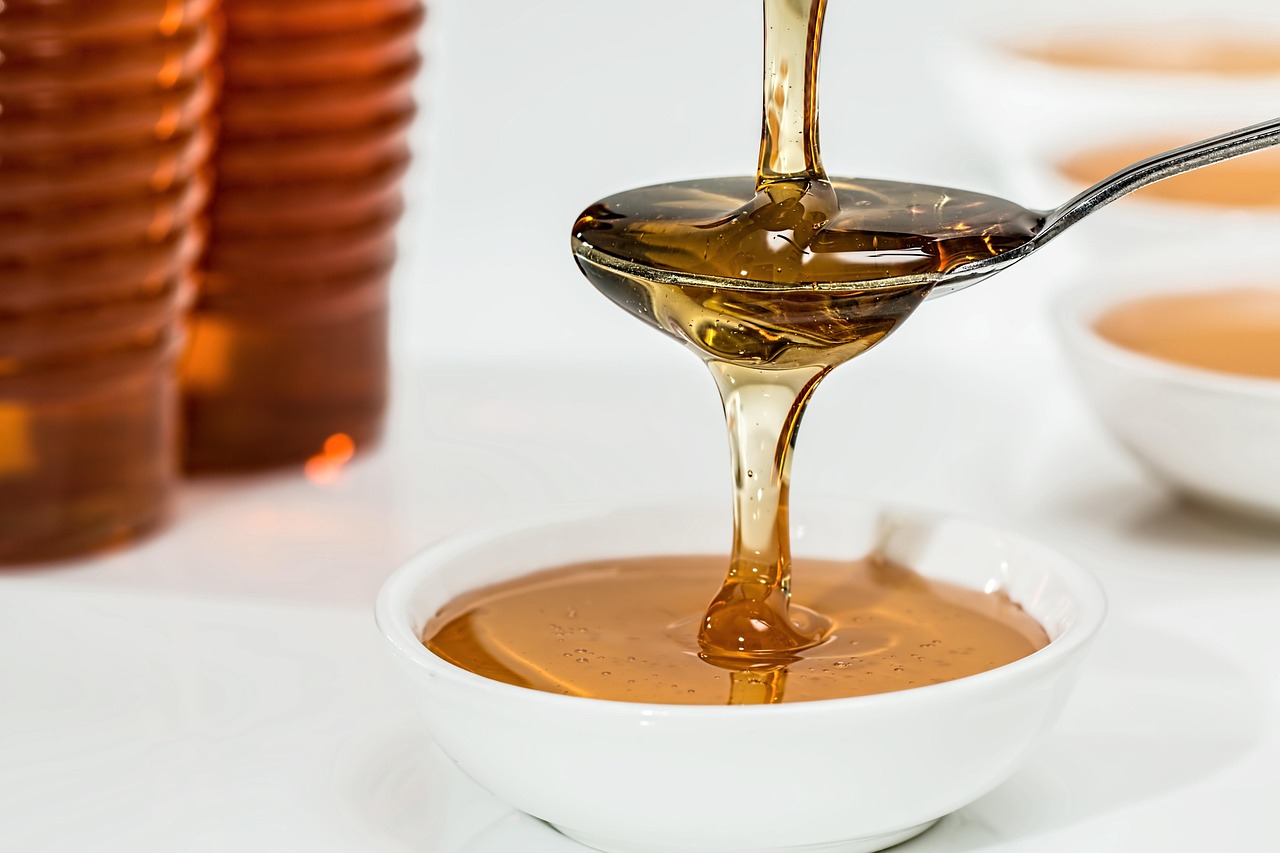
Starch sugar refers broadly to products derived from corn processing. These include starch powder as well as saccharides such as corn syrup, glucose and liquid fructose. The products are widely used in both food manufacturing—such as noodles and confectionery—and industrial applications including adhesives and coatings used in sectors such as paper and steel.
In its assessment, the examiner concluded that the conduct constitutes a serious violation of the price-fixing prohibition under Article 40(1)(1) of Korea’s Monopoly Regulation and Fair Trade Act. The report recommends corrective measures including orders to readjust prices, administrative fines and criminal complaints against responsible executives and employees. Prosecutors have already filed charges against the four companies following an earlier request for indictment in February 2026.
Under Korean competition law, the KFTC may impose fines of up to 20 percent of the affected sales if the allegations are confirmed. The Commission stressed that it will seek to “effectively eliminate incentives for collusion through intensive monitoring and strict enforcement of laws against collusion that threatens the livelihood of the public.”
The companies involved will have eight weeks from receipt of the examination report to exercise their rights of defense, including submitting written arguments and requesting access to evidence. Once these procedures are completed, the KFTC plans to convene a Commission meeting “as quickly as possible” to adopt a final decision.
Highlighting the broader importance of the case, the authority stated that the alleged cartel “directly impacts the livelihoods of the people,” adding that it will continue to pursue unfair practices that undermine the market economy. “As the primary agency responsible for maintaining a free and fair market order, the Fair Trade Commission will relentlessly pursue and punish unfair practices, including collusion,” the statement said.
The starch sugar investigation may also expand further. In parallel with the price-fixing allegations now under review, investigators are examining possible bid-rigging involving certain customers as well as suspected collusion relating to starch sugar by-products such as gluten, germ and fiber—materials primarily used in animal feed.
The KFTC indicated that these related investigations are ongoing and will be completed as soon as possible.