
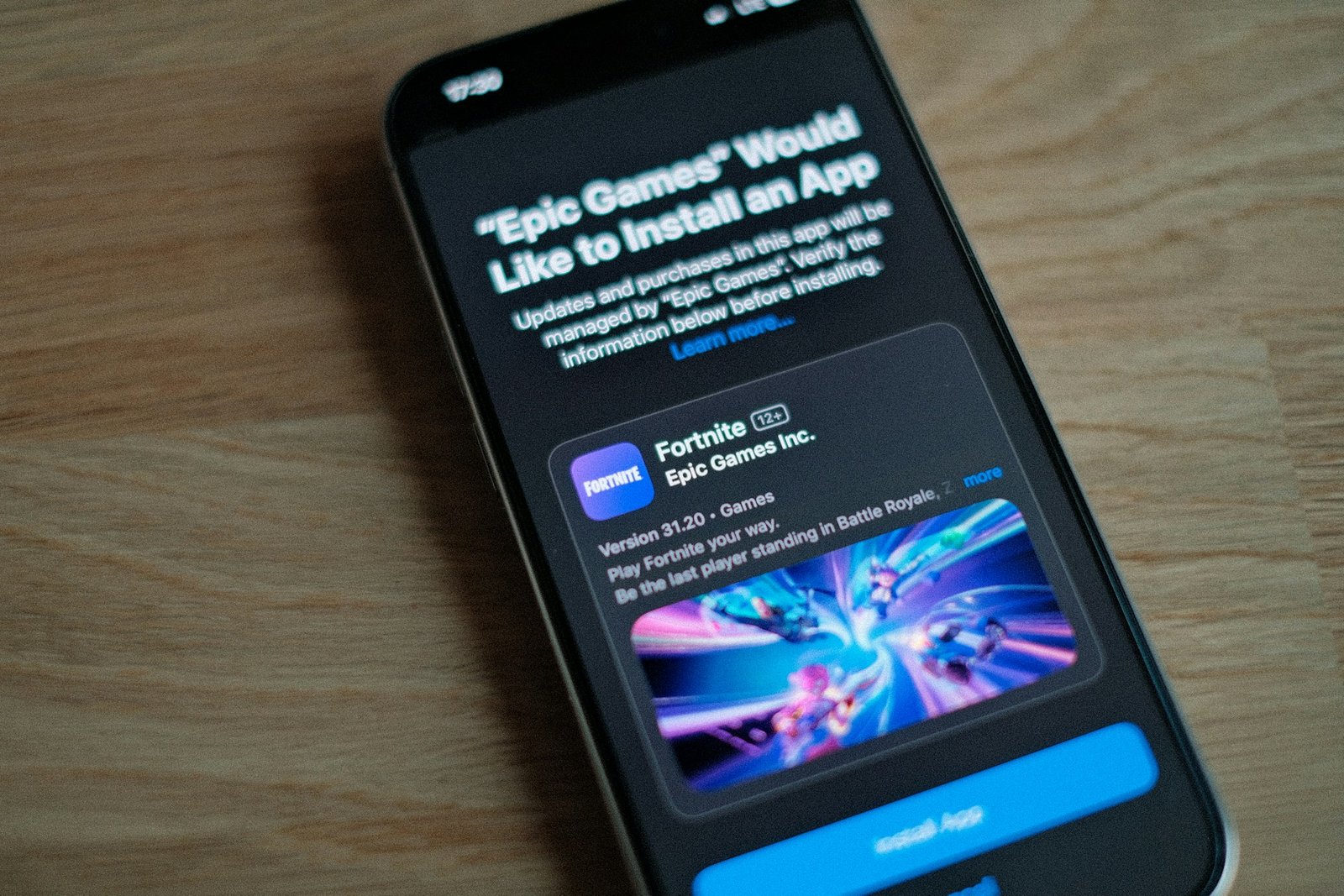
After five years of litigation, Google and Epic Games appear poised to end their long-running dispute over the Play Store’s business model. The two companies have jointly filed a proposed settlement in U.S. federal court that, if approved, would change how Android apps are distributed and monetized in the United States, Reuters reported.
The proposal centers on expanding developer and consumer choice. Google has agreed to allow broader options for app distribution outside of the Play Store and to enable third-party and web-based payment systems within apps—key issues that sparked the original lawsuit in 2020, when Epic’s Fortnite was removed for bypassing Google’s in-app billing system. In addition, Google would lower the maximum service fees it can charge developers to either 9% or 20%, depending on the transaction type.
Sameer Samat, Google’s President of Android Ecosystem, stated that the changes “focus on expanding developer choice and flexibility, lowering fees, and encouraging more competition — all while keeping users safe.” Epic CEO Tim Sweeney praised the agreement as a “comprehensive solution” that reaffirms Android’s “original vision as an open platform,” drawing a contrast to Apple’s closed model that blocks competing app stores.
If approved by U.S. District Judge James Donato, the proposal would resolve not only Epic’s 2020 lawsuit against Google but also related actions involving Samsung. It would mark one of the most significant settlements in the app ecosystem’s antitrust history—potentially redefining how digital marketplaces operate and setting a new precedent for platform openness and developer autonomy in the mobile economy.