
The German Federal Cartel Office has officially cleared the path for the Chinese maritime giant, Cosco Shipping Holdings, to acquire an 80 percent majority stake in the Hamburg-based freight forwarding firm, Konrad Zippel Spediteur GmbH.
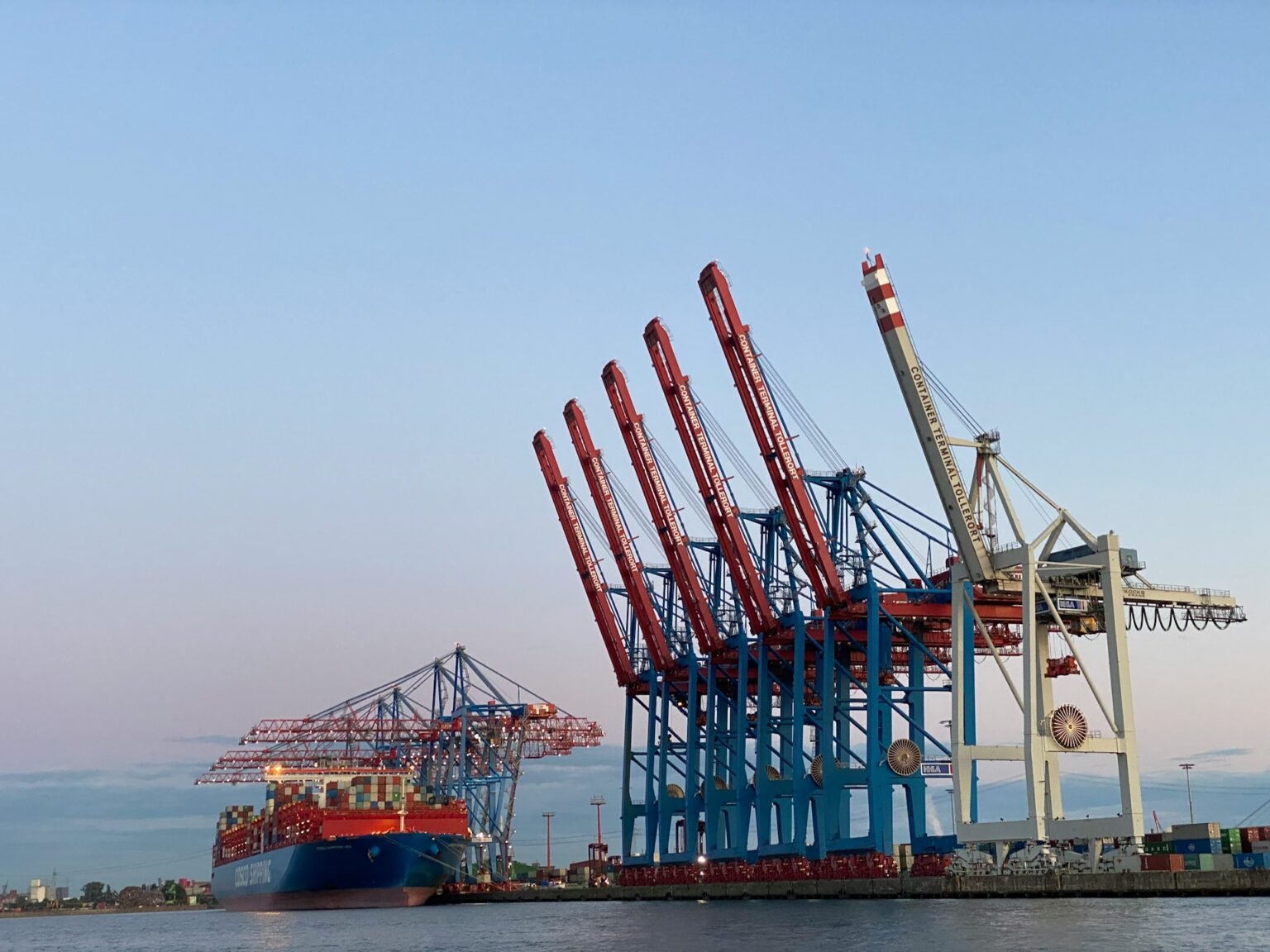
This decision marks a significant expansion of Cosco’s footprint in the European logistics chain. Already a dominant global player in container shipping, Cosco maintains a strategic presence in Germany through its 24.99 percent minority stake in the HHLA Container Terminal Tollerort at the Port of Hamburg. By acquiring Zippel, which specializes in “hinterland” transport—the movement of containers between seaports and inland destinations via rail—Cosco is effectively integrating its sea-based operations with essential land-based logistics.
The regulatory approval was based on a vertical analysis of the transport market rather than a horizontal one. Andreas Mundt, President of the Federal Cartel Office, explained the rationale by stating that “Cosco primarily transports containers by sea, while Zippel organizes the onward transport of the containers from the seaports to inland destinations. The companies thus operate at different levels of the transport chain and are not in direct competition with each other.” Consequently, the authority concluded that there were no antitrust objections to the acquisition.
To reach this verdict, the Federal Cartel Office examined the market share of both entities within the German logistics landscape. In 2024, the ports of Hamburg and Bremerhaven combined for a total volume of over 12 million handled containers. Investigators determined that Zippel handles only a small fraction of this volume. Based on these figures, the regulator found no evidence that the merger would significantly impair access for other shipping companies seeking forwarding services or for independent forwarders attempting to reach shipping customers.
While the antitrust review is complete, the Federal Cartel Office was careful to distinguish between market competition and national interests. “Any foreign trade law or security policy aspects are not subject to antitrust merger control,” Mundt noted. These broader security implications remain under the separate jurisdiction of the Federal Ministry for Economic Affairs and Energy, which conducts reviews under German foreign trade law to assess the impact of foreign investment on national infrastructure.
By integrating its maritime fleet with the German rail system, the acquisition secures a vital link in Cosco’s strategy to build a seamless, end-to-end logistics network across Northern Europe.
