
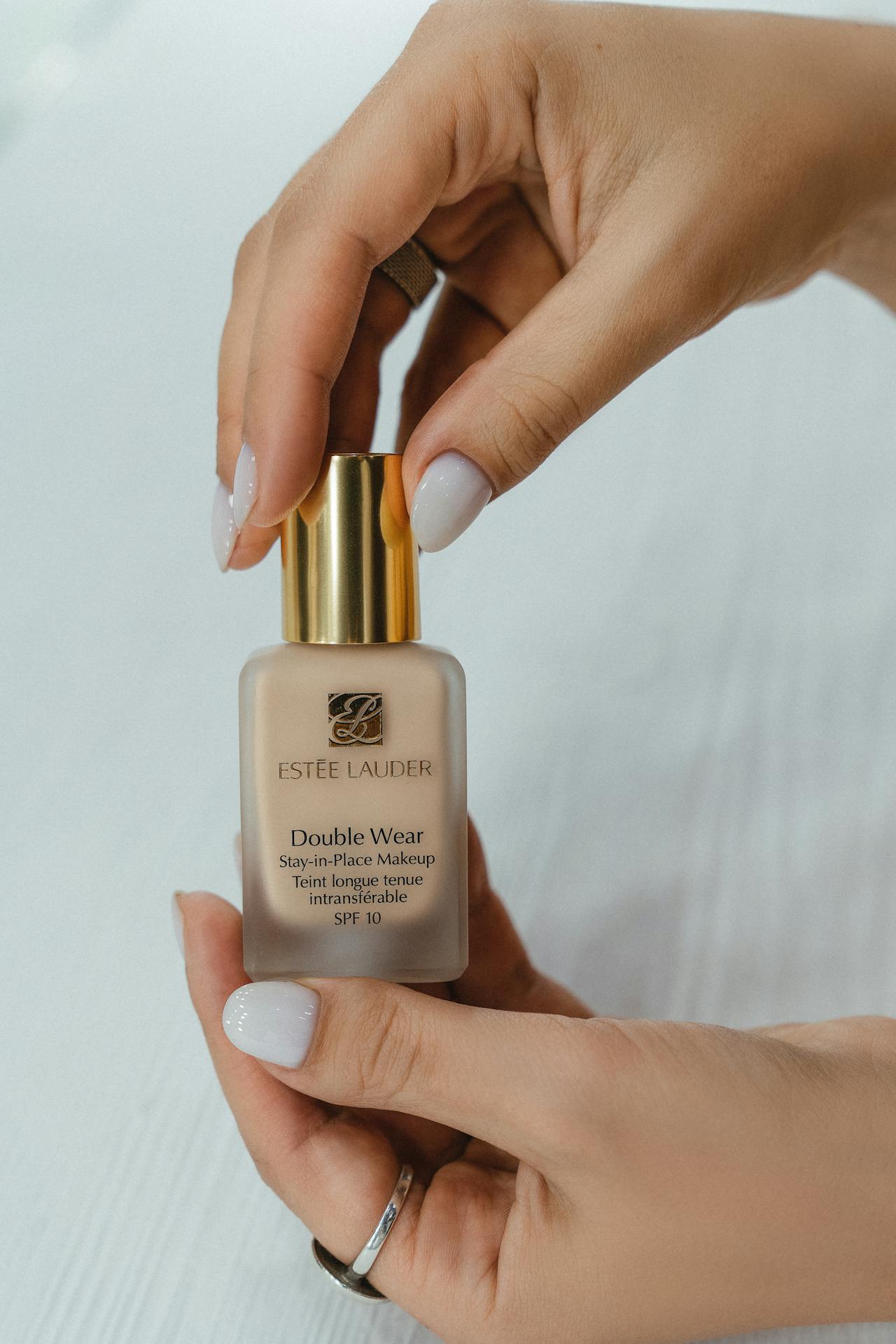
The Estée Lauder Companies has confirmed that it is in discussions regarding a potential business combination with Spanish beauty and fashion group Puig, signalling the possibility of consolidation move in the global luxury cosmetics sector.
In a brief statement released on 23 March 2026, the U.S.-based beauty company acknowledged that the two groups are exploring a potential transaction under which their businesses could merge. However, Estée Lauder emphasised that discussions remain preliminary and that no agreement has been reached.
The company stated that no final decision has been made and that there can be no certainty that a deal will materialise. Any potential transaction would depend on the negotiation of definitive terms between the parties as well as the satisfaction of customary conditions, including regulatory approvals.
If pursued, a combination between Estée Lauder and Puig would represent a major development in the global prestige beauty industry. Estée Lauder is one of the world’s largest manufacturers and marketers of premium cosmetics, skincare, fragrance and haircare products. Its portfolio includes a wide range of well-known luxury and prestige brands such as Estée Lauder, Clinique, M·A·C, La Mer, Bobbi Brown, Jo Malone London, Tom Ford Beauty, Le Labo and The Ordinary.
Puig, headquartered in Barcelona, is a major player in the global fragrance, fashion and beauty markets. The group is known for its portfolio of luxury perfume and fashion brands and has expanded significantly in recent years through acquisitions and brand partnerships. A potential merger between the two companies would bring together two prominent international beauty groups with complementary brand portfolios and strong positions in the prestige segment.
Despite the strategic implications such a combination could have for the industry, Estée Lauder stressed that the discussions remain exploratory. The company cautioned that there is no assurance that negotiations will result in a signed agreement or that any potential transaction would ultimately be completed.
The statement also highlighted that forward-looking comments about the potential deal are subject to various risks and uncertainties. These include the possibility that the companies may not reach agreement on transaction terms, that required regulatory approvals may not be obtained, or that other conditions necessary to complete a transaction may not be satisfied.
For now, both companies appear to be assessing whether a merger could create strategic and financial value. Should negotiations progress, the potential deal would likely attract close look from regulators and industry observers given the size and influence of the two groups in global luxury beauty markets.