
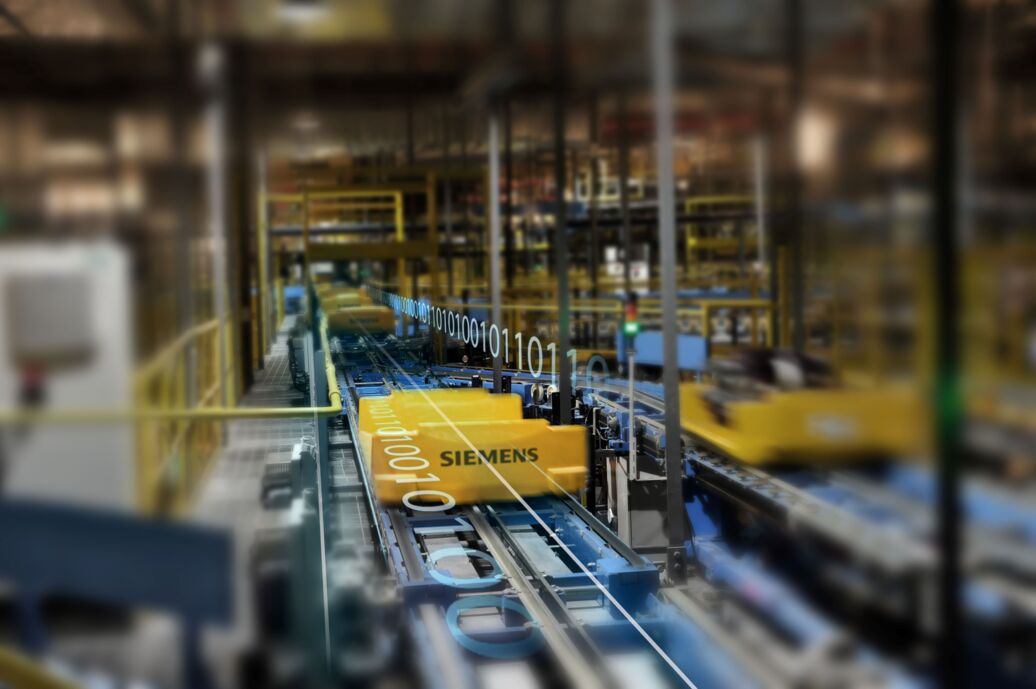
Spain’s competition authority, the CNMC, has signaled that the acquisition of Siemens Logistics by Vanderlande Industries requires a broader European perspective. On April 15, 2026, the regulator approved a formal request to refer the merger to the European Commission, aligning with a similar move made by Portugal just days earlier.
The deal involves the transfer of Siemens Logistics GmbH to Vanderlande, a key subsidiary of the Toyota Group. While the acquisition already closed in several global regions—including the United States earlier this year—European regulators are taking a closer look at its impact on the continent’s specialized airport infrastructure market.
Protecting the Airport Supply Chain
The primary concern for both Spanish and Portuguese authorities is the market for automated baggage handling systems. As airports across Europe invest in modernization and increased capacity, the merging of two of the industry’s largest players could significantly reduce competition.
Under Article 22 of the EU Merger Regulation, member states can ask the European Commission to examine a deal even if it doesn’t meet the typical multi-country revenue thresholds. The CNMC argues that the concentration of power in airport logistics could affect trade between member states and potentially lead to higher operational costs for the aviation sector.
What’s Next for the Acquisition?
The referral puts the final stages of the merger into a period of regulatory limbo. Now that Spain and Portugal have voiced their concerns, the European Commission has a short window of 10 business days to decide whether it will accept the case for a full-scale investigation.
If the Commission takes the lead, it will assess whether the “Toyota-backed” Vanderlande would hold an unfair advantage that could stifle innovation or inflate prices for baggage and cargo systems. For Vanderlande and Siemens Logistics, this adds a final layer of European complexity to a deal that has otherwise been progressing through global markets over the past year.