
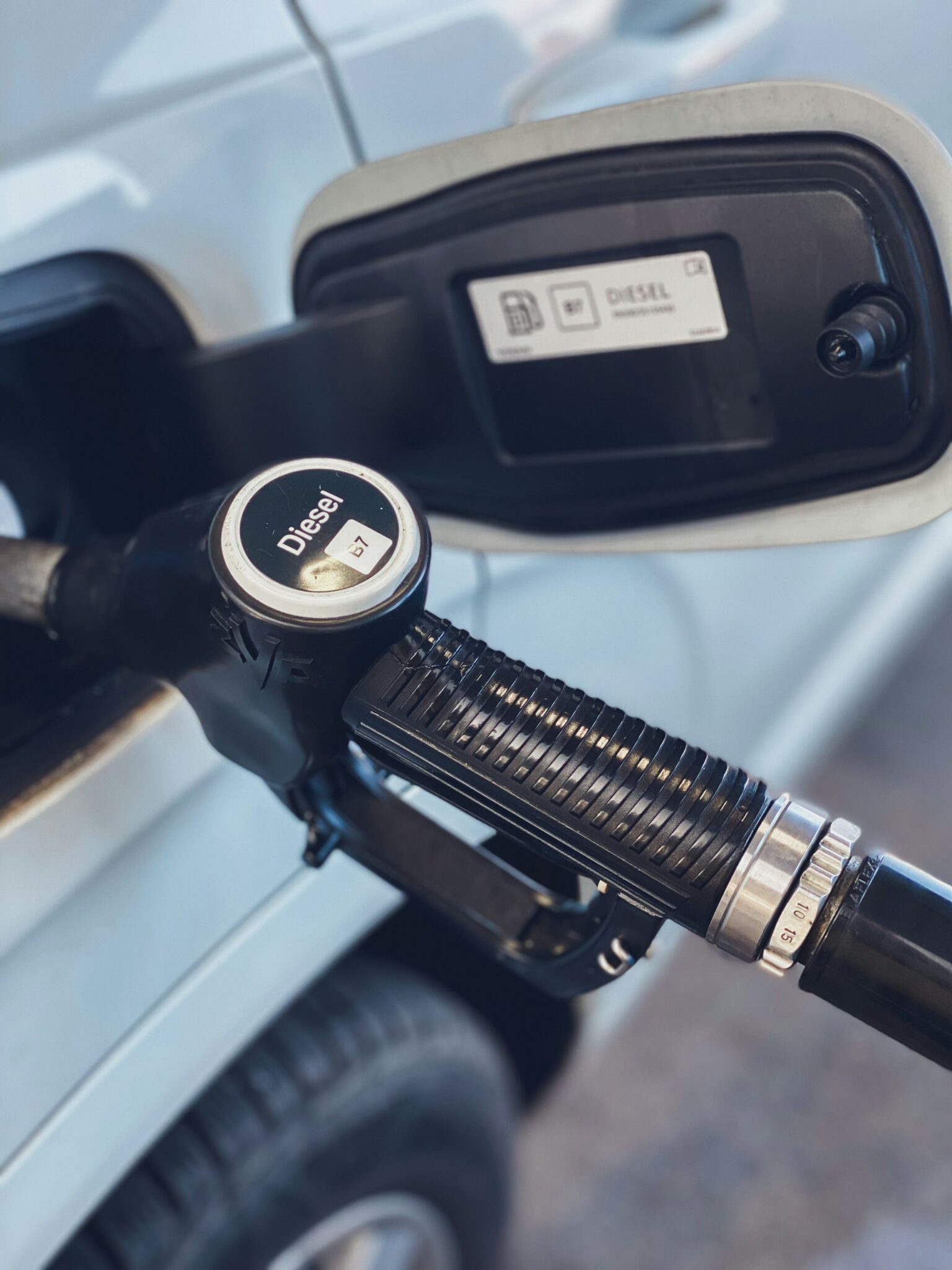
The Japan Fair Trade Commission has taken an enforcement step in the energy distribution sector, formally filing a criminal complaint with the Prosecutor General against five diesel fuel distributors for their alleged participation in a price-fixing cartel. The move, grounded in Article 74, Paragraph 1 of Japan’s Antimonopoly Act, signals a clear escalation from administrative investigation to criminal prosecution—an avenue the JFTC reserves for the most serious infringements.
At the center of the case is Higashi Nippon Usami Co., Ltd., joined by ENEOS Wing Co., Ltd., Enexfleet Co., Ltd., Kitaseki Co., Ltd., and Kyoei Oil Co., Ltd.. These companies, all active in the sale of diesel fuel, are alleged to have coordinated pricing strategies in transactions with transportation companies, particularly those operating through centralized negotiation desks in Tokyo using fuel card systems.
According to the JFTC’s findings, the alleged cartel operated through a series of in-person meetings held in Tokyo restaurants during late 2024. These meetings were not casual exchanges of market information but structured agreements designed to align pricing behavior. In October 2024, participants agreed to raise diesel prices by 2 yen per liter compared to the previous month, incorporating both increased procurement costs and higher commissions paid to wholesalers. The agreement also established a floor mechanism: prices would not only reflect cost increases but would at minimum pass them through entirely.
The pattern continued in November, when the same group agreed to maintain price levels, introducing a downward rigidity clause. Even if input costs decreased, any reduction in selling prices would be capped to reflect only those cost decreases, preventing competitive undercutting. By December, the cartel allegedly intensified its coordination, setting a target price increase of 2.5 yen per liter and again ensuring full pass-through of cost increases. These repeated interactions suggest a sustained and deliberate effort to manage market pricing rather than sporadic or incidental coordination.
From a competition law perspective, the conduct described fits squarely within the definition of a “hardcore cartel.” The companies are accused of jointly restricting their business activities, effectively eliminating independent pricing decisions and thereby substantially restraining competition in the relevant diesel fuel market. The focus on fuel card transactions with transportation firms indicates a targeted segment where price coordination could have immediate and measurable economic impact, particularly given the scale and price sensitivity of fuel consumption in logistics.
The legal implications are serious. The JFTC has invoked provisions including Article 3 of the Antimonopoly Act, which prohibits unreasonable restraints of trade, and Article 89, Paragraph 1, Item 1, which establishes criminal penalties for such violations. The reference to Article 60 of the Criminal Code further underscores the collective nature of the alleged conduct, addressing joint criminal responsibility among participants.
Criminal referral in cartel cases remains relatively rare in Japan compared to administrative enforcement, making this case particularly noteworthy. It reflects the JFTC’s willingness to deploy stronger deterrence tools in sectors deemed critical to economic stability and public welfare. Diesel fuel, as a core input for transportation and logistics, has direct downstream effects on prices across the economy, amplifying the harm caused by coordinated pricing.
For businesses and compliance professionals, the case is a reminder that even seemingly modest price adjustments—measured in yen per liter—can constitute serious violations when coordinated among competitors. The use of informal settings such as restaurant meetings does not shield such conduct from scrutiny; indeed, it often becomes a key evidentiary element demonstrating intent and agreement.