The automotive sector is witnessing a shift in power dynamics as Stellantis NV reportedly explores unprecedented deals with Chinese tech and EV giants to stabilize its faltering European business. According to recent reports, the conglomerate is in high-level discussions with Xiaomi Corp. and Xpeng Inc., signaling a potential “changing of the guard” for some of the West’s most storied automotive brands. As Stellantis redirects its primary investment capital toward the more profitable American markets, its European units—long the bedrock of the company’s identity—are being positioned as potential entry points for Chinese firms eager to establish a manufacturing foothold on the continent. (Investing.com)
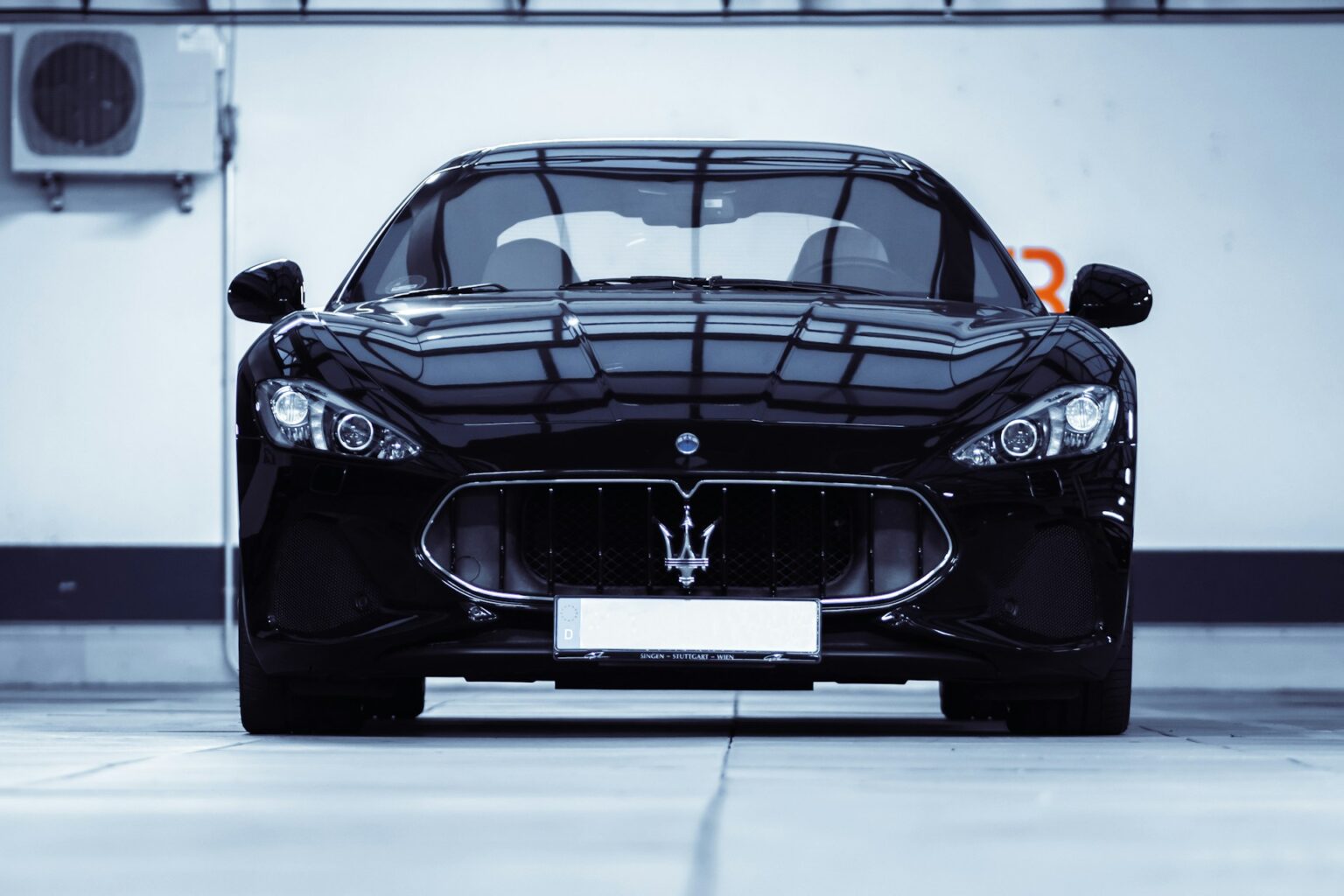
The core of these deliberations involves a radical overhaul of how Stellantis operates in Europe. Insiders suggest that the discussions have moved beyond simple partnerships, venturing into the territory of equity stakes. Most notably, the luxury brand Maserati is reportedly on the table, with Chinese companies potentially acquiring significant positions in the marque. For Xiaomi and Xpeng, such an acquisition would provide instant heritage and brand prestige that would otherwise take decades to build. For Stellantis, it offers a pragmatic exit or a shared-risk model for brands that have struggled to maintain consistent profitability in an increasingly competitive electric vehicle market.
Beyond brand ownership, the primary currency in these talks is manufacturing capacity. As the European Union considers tightening trade barriers and tariffs on imported Chinese vehicles, companies like Xiaomi and Xpeng are under immense pressure to localize production. By leveraging Stellantis’ existing European infrastructure, these Chinese groups could bypass regulatory hurdles and logistical nightmares. In exchange, Stellantis would see its underutilized factories injected with fresh capital and cutting-edge EV technology, potentially saving thousands of industrial jobs that are currently at risk due to the company’s shifting focus.
This move highlights a stark reality for the legacy automaker: the future of Stellantis now appears to be a tale of two hemispheres. While the company doubles down on its high-margin SUV and truck portfolios in the Americas, its European strategy is becoming one of survival through collaboration. If these deals come to fruition, the European automotive market will no longer be a battleground between East and West, but rather a complex, integrated ecosystem where Chinese innovation and European heritage are forced to share the same assembly lines.