
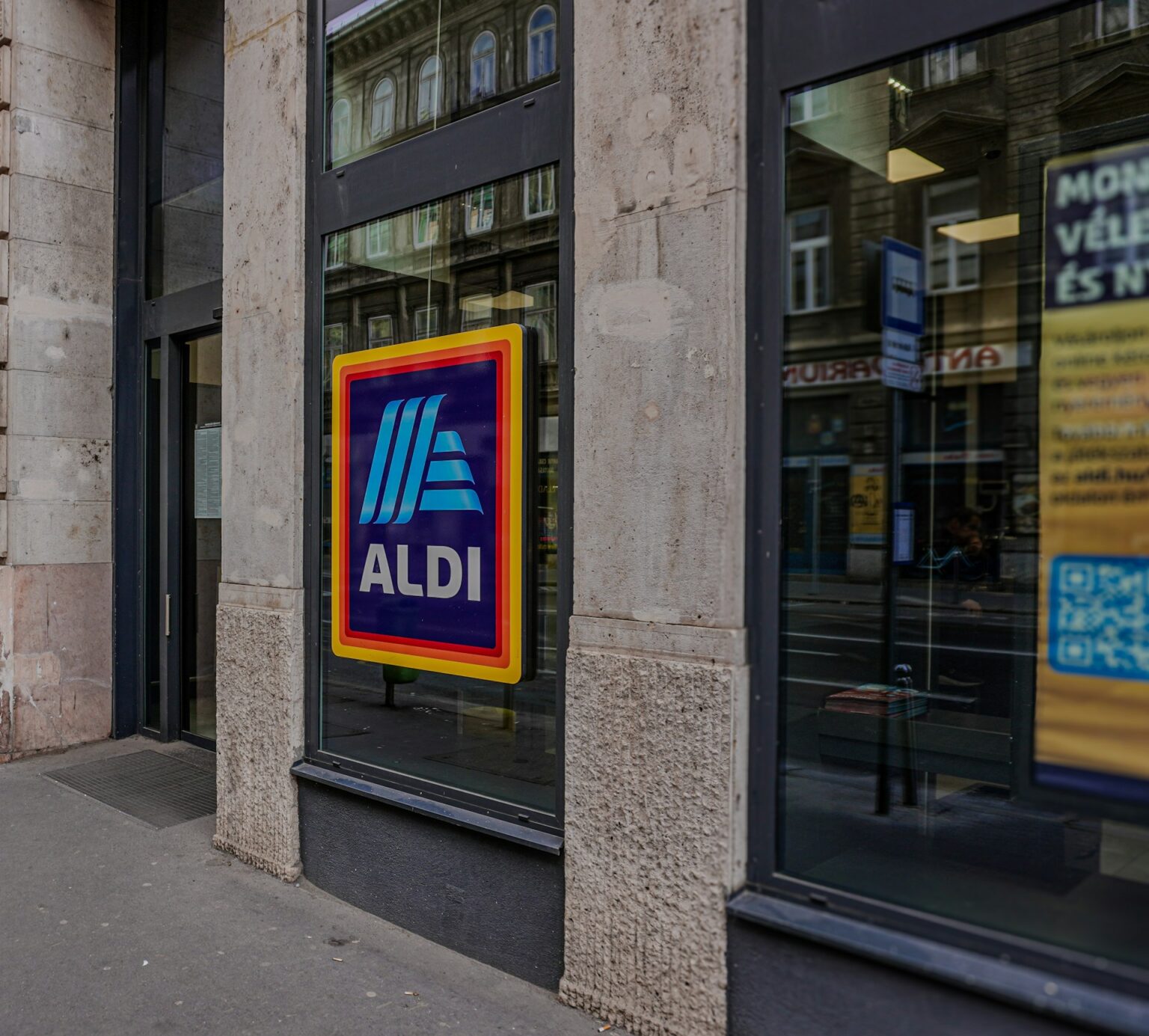
The Competition and Markets Authority has launched a formal assessment to determine whether the discount giants Aldi and Lidl should be reclassified as Large Grocery Retailers under the Groceries Market Investigation (Controlled Land) Order 2010. This regulatory shift could be a potential end to the decade-long exemption enjoyed by the two retailers, who were originally classified as Limited Assortment Discounters due to their smaller product ranges and low-price business models. If the designation is changed, both companies would be legally barred from using restrictive land agreements or exclusivity clauses to prevent competitors from opening stores in their vicinity.
The investigation centers on whether the current operations of Aldi and Lidl have evolved to match the scale and service of established giants like Tesco and Sainsbury’s. Under the 2010 Order, a Large Grocery Retailer is defined by its ability to operate stores larger than 1,000 square metres, offer a full range of groceries, and maintain an integrated wholesaling function. While the discounters were once seen as niche players, their aggressive expansion and diversifying inventories have prompted the regulator to question if they still truly fit the “limited assortment” definition or if their exclusion now creates an unfair advantage in the property market.
Central to the CMA’s review is an invitation for evidence from stakeholders regarding the modern retail landscape and the specific impact of these discounters remaining outside the Order’s scope. The regulator is specifically seeking examples of whether other retailers have been blocked from entering local markets because Aldi or Lidl were able to utilize land covenants that are prohibited for other major chains. By evaluating whether these retailers now stock what constitutes a “full range” of groceries, the CMA aims to ensure that the legislation reflects the current reality of the UK’s highly competitive supermarket sector.
This move follows years of market share growth for both German-owned chains, which has transformed them from peripheral disruptors into central pillars of British retail. The outcome of this assessment could fundamentally change how Aldi and Lidl manage their vast property portfolios and how they compete for new site locations across the country. A provisional decision is expected to follow a period of public consultation, potentially bringing the discounters under the same stringent antitrust oversight that has governed their largest rivals for the last sixteen years.