
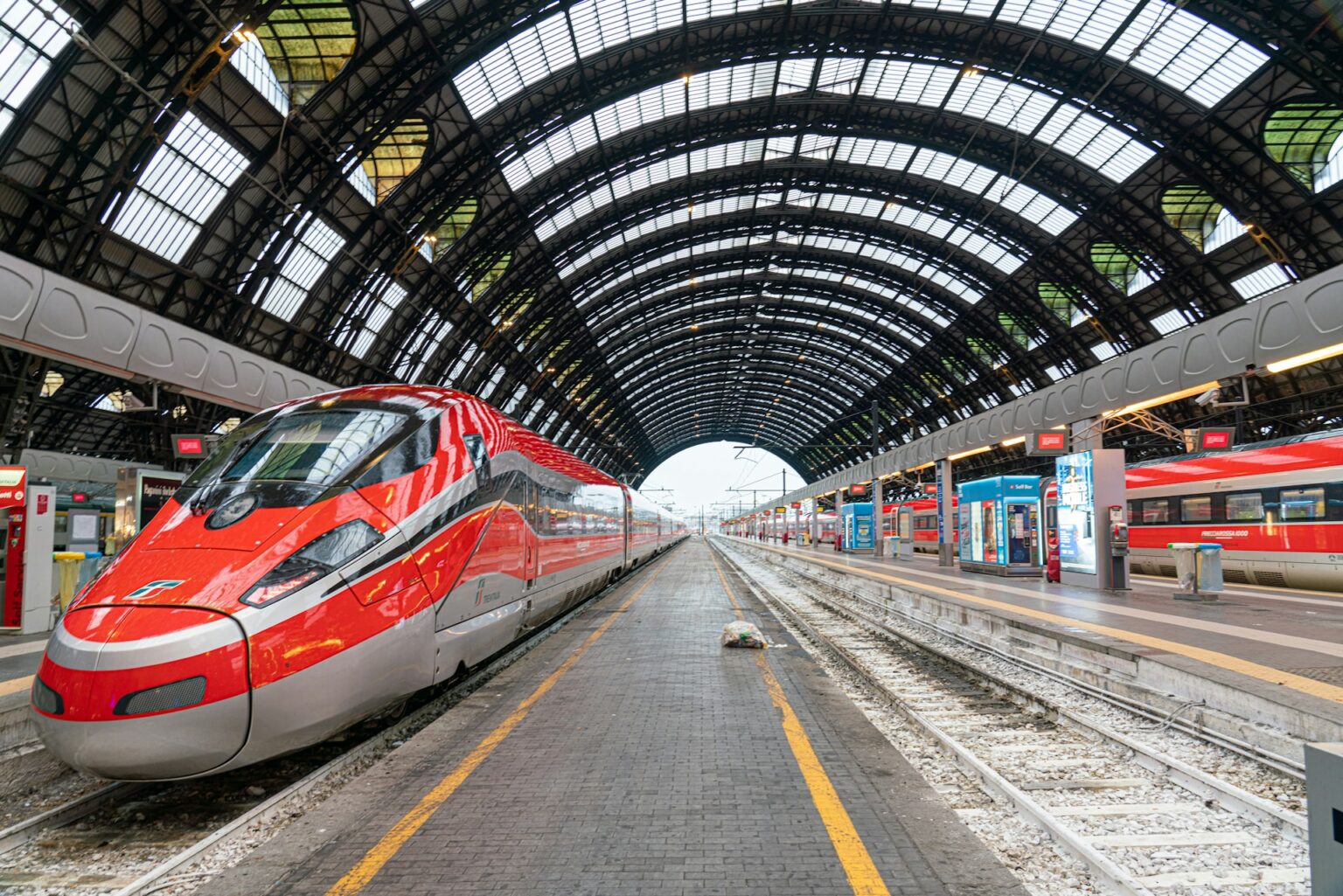
The Italian Competition Authority has accepted binding commitments from Rete Ferroviaria Italiana (RFI) in a case concerning potential barriers to entry in Italy’s high-speed rail passenger market, a move expected to pave the way for the entry of a third operator in the sector.
The investigation, opened in March 2025, examined whether the infrastructure manager’s methods for allocating capacity on the national high-speed rail network could constitute an abuse of dominance under Article 102 of the Treaty on the Functioning of the European Union. The authority assessed whether RFI’s practices might restrict access to the infrastructure and thereby hinder the entry of new operators into the high-speed passenger transport market.
According to the authority, the case focused on the procedures used to allocate train paths on the high-speed network. These procedures were considered potentially capable of limiting effective access to the infrastructure and preventing new entrants from competing in the market for high-speed passenger rail services.
Following the investigation, RFI proposed a series of commitments designed to address the competition concerns identified by the authority. The Italian Competition Authority has now accepted these commitments and made them binding, concluding that they are sufficient to eliminate the issues raised during the investigation and to promote greater competition in the sector.
Under the commitments, RFI will allocate a minimum package of 18 train paths to a new entrant on key high-speed routes connecting Turin, Milan, Rome and Venice. The allocation will be guaranteed for a period of ten years, a measure intended to ensure that market entry by a new operator is both viable and sustainable.
In addition, RFI has agreed to modify the rules contained in the Network Statement governing capacity allocation. The revised rules will explicitly align with European principles concerning the optimal use of infrastructure, the protection of passenger interests and the promotion of competition in rail markets.
The commitments also include transitional measures designed to support both the new entrant and potential future operators. In particular, priority will be given to new entrants in the allocation of available or underutilized capacity, enabling them to expand services gradually and strengthen their presence in the market.
The authority concluded that the commitments ensure fair, transparent and non-discriminatory access to Italy’s high-speed rail infrastructure. By addressing the concerns identified during the investigation, the measures are expected to make the market more open and competitive while improving service quality and choice for passengers.