
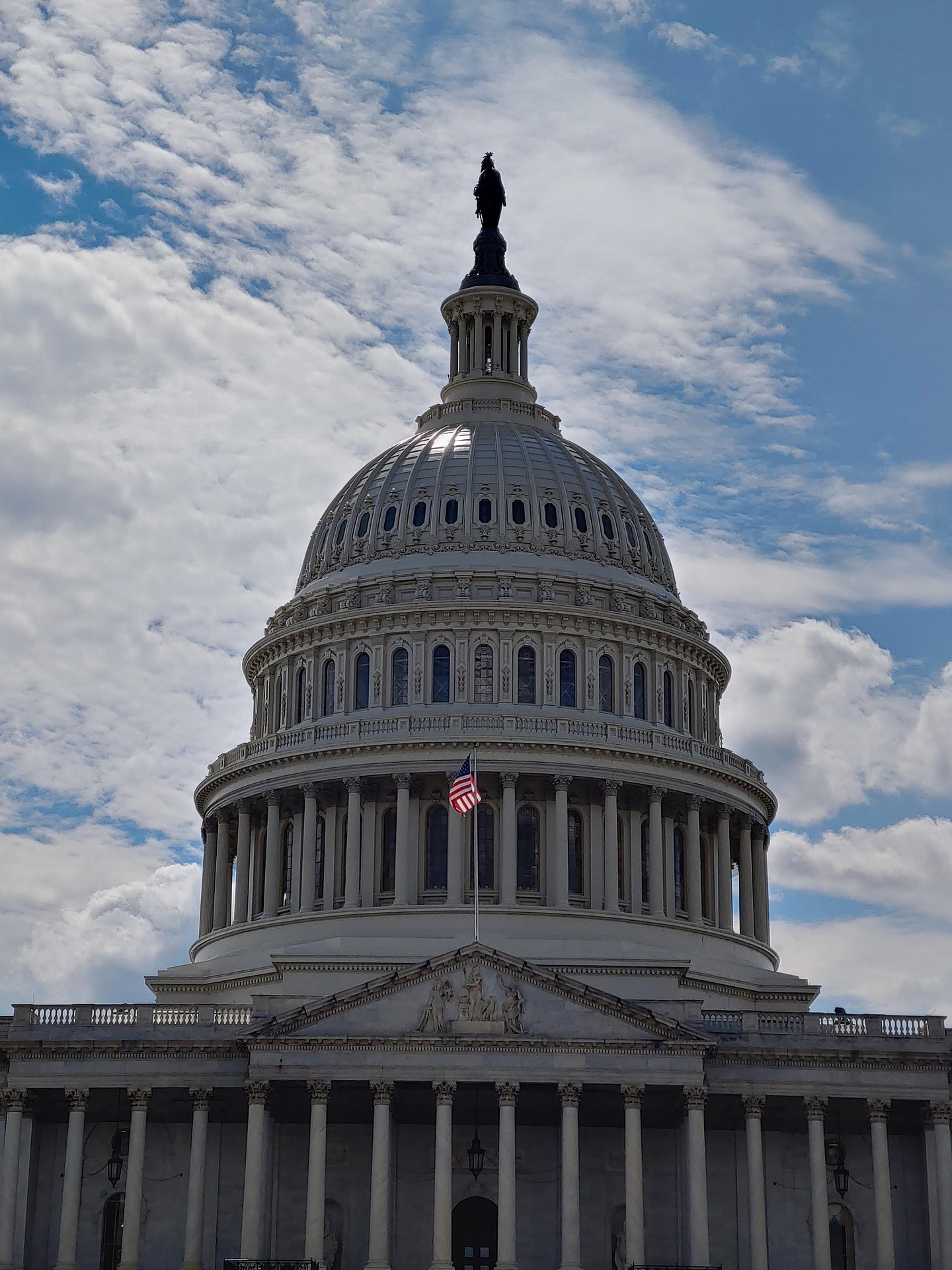
Netflix co-chief executive Ted Sarandos came under intense questioning on Tuesday as the U.S. Senate subcommittee on antitrust, competition policy, and consumer rights examined Netflix’s proposed acquisition of the film and streaming assets of Warner Bros. Discovery (WBD). The all-cash transaction, valued at approximately $82.7 billion, would be one of the largest media mergers to date.(The Hill)
Lawmakers from both parties raised concerns about the deal’s impact on competition, consumer prices, employment, and media concentration. Subcommittee chair Senator Mike Lee (R-Utah) warned that the merger would eliminate a key competitor—HBO Max—and could further entrench Netflix’s dominance in the streaming market by giving the combined firm both the incentive and ability to disadvantage rivals.
Sarandos defended the transaction, arguing that it would strengthen competition in a crowded entertainment landscape that includes broadcast television, cable, streaming services, and technology platforms. He emphasized that Netflix plans to continue operating the Warner Bros. studio largely as it does today and rejected claims that the merger would lead to significant layoffs. “We’re buying a company that has assets we do not,” Sarandos said, adding that the deal would create economic growth and deliver more value to consumers.
Democratic senators, including Cory Booker (D-N.J.), expressed concern that the merger would combine one of the largest content producers with the largest global streaming distributor, potentially harming artists and creative diversity. Republicans focused on Netflix’s content choices, with Senator Josh Hawley (R-Mo.) accusing the company of promoting ideological themes in children’s programming. Sarandos denied the allegations, stating that Netflix has no political agenda and offers a wide range of content to meet diverse tastes.
Lawmakers also questioned the role of President Donald Trump in the regulatory review, following public statements that he would be “involved” in the decision. Sarandos said discussions with the administration have focused on protecting American jobs and that regulatory review is ongoing with the Department of Justice.