
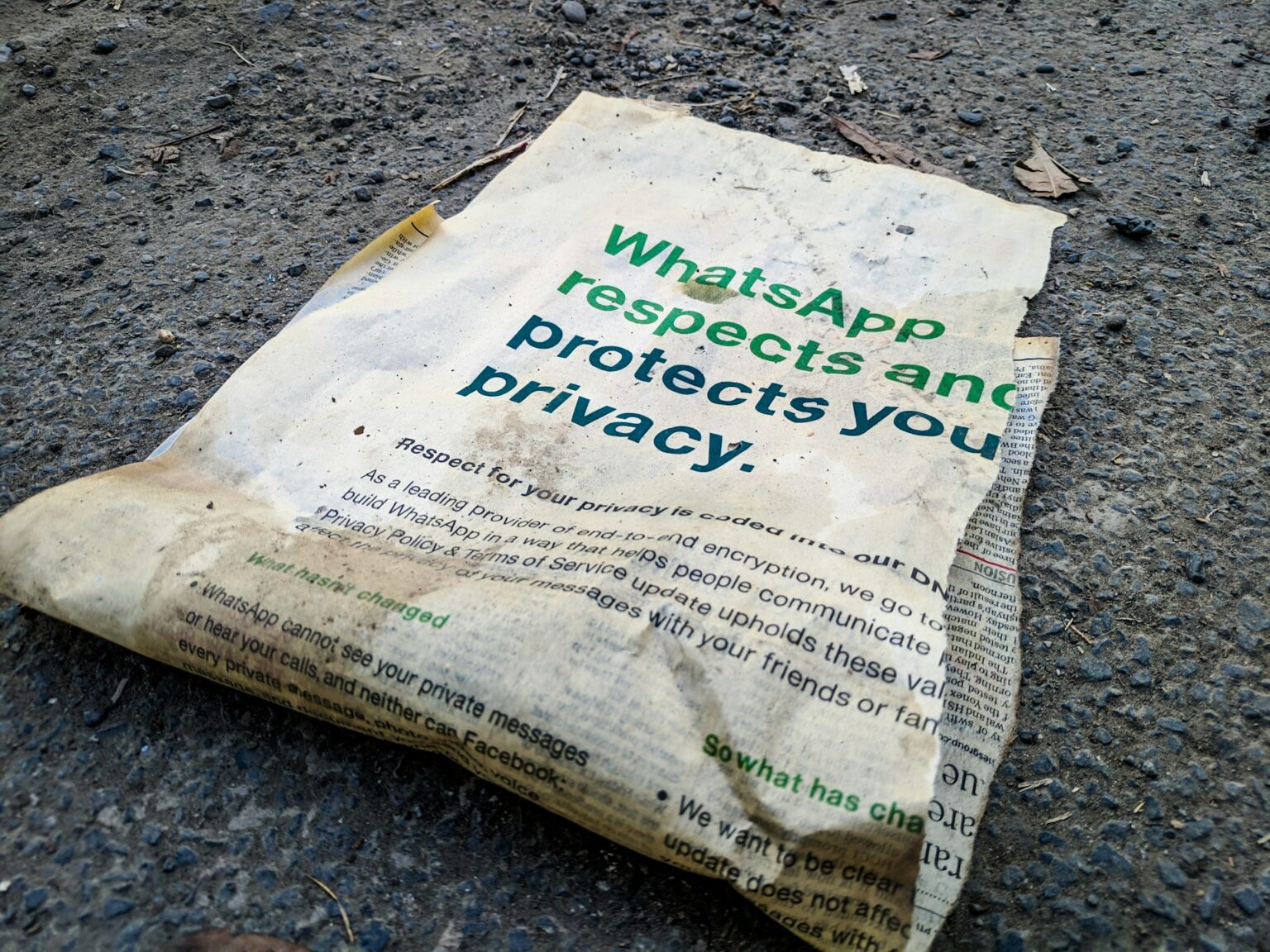
Meta Platforms Inc. is facing a new legal challenge over its long-standing claims regarding the privacy and security of WhatsApp communications. An international group of plaintiffs has filed a lawsuit in the United States District Court for the Northern District of California, alleging that Meta falsely represented WhatsApp conversations as fully protected by end-to-end encryption.
The lawsuit, filed on Friday in San Francisco, contends that Meta’s public assurances about WhatsApp’s privacy are misleading. According to the plaintiffs, Meta and its subsidiary WhatsApp are able to “store, analyze, and can access virtually all of WhatsApp users’ purportedly ‘private’ communications,” despite repeated claims that such content is inaccessible even to the platform itself. The allegations were first reported by Bloomberg.
The plaintiffs have asked the court to certify the case as a class-action lawsuit, potentially representing billions of WhatsApp users worldwide. The claimants originate from multiple jurisdictions, including Australia, Brazil, India, Mexico, and South Africa, underscoring the global scope of the dispute.
In their filing, the plaintiffs accuse Meta and its senior leadership of defrauding WhatsApp users by misrepresenting the extent of privacy protections. They further allege that Meta stores the substance of users’ communications and that company employees are able to access them. The lawsuit cites information provided by whistleblowers as the basis for these claims.
Meta has strongly rejected the allegations. In a statement to Bloomberg, company spokesperson Andy Stone described the lawsuit as “frivolous” and indicated that Meta intends to pursue sanctions against the plaintiffs’ legal counsel.
“Any claim that people’s WhatsApp messages are not encrypted is categorically false and absurd,” Stone said. “WhatsApp has been end-to-end encrypted using the Signal protocol for a decade. This lawsuit is a frivolous work of fiction.”
The case raises renewed scrutiny over the technical implementation of end-to-end encryption and the extent to which platforms may retain, access, or process user communications despite such protections. If certified as a class action, the lawsuit could have significant legal and reputational implications for Meta, particularly as global regulators and courts continue to focus on data privacy and consumer protection in digital services.